🔄 Updated 21 Jun 2026
Koh Chang has no airport, so you drive to the ferry pier at Laem Ngop in Trat province and cross over to a pier on the island side. The island runs long north to south, and there's really just one main road hugging the coast. The famous beaches — White Sand, Klong Prao, Kai Bae — line up along the west coast, the waterfalls sit in the middle of the island, and Bang Bao village is right at the southern tip. This plan splits into three clear themes — beach day, snorkeling day, waterfall and Bang Bao day — so you're not driving back and forth north to south all day.
Stay on the west coast and keep one base for both nights
The west coast is the most convenient spot to stay: snorkeling boats pick you up here, there are plenty of restaurants, and the sunsets are great. We'd stay in one zone for both nights so you're not hauling bags around. If you like a lively scene with lots of restaurants, base yourself at White Sand Beach. If you want it a bit quieter with a longer beach, go for Klong Prao. Budget travelers tend to head down to Kai Bae and Lonely Beach. A lot of places on the island close during low season (May–Oct), so always check with your accommodation before booking.
Day 1 — Cross over to Koh Chang and work the west-coast beaches
Take the ferry · check in · cruise White Sand–Klong Prao–Kai Bae
The coastal road is steep with hairpin bends — drive carefully
The road around Koh Chang has plenty of steep climbs and hairpin bends, especially heading south toward Kai Bae and Bang Bao. If you rent a motorbike, make sure you're confident going up and down steep slopes, brake well before corners, and wear a helmet every time. The road gets very slippery in the rain. If you're not used to it, taking a songthaew or hiring a car with a driver is the safer option.
Book the activities in your Koh Chang trip ahead
Booking online ahead on Klook or GetYourGuide is usually cheaper than the gate and skips the queue. Pick only the experiences you actually want — prices and availability are shown live on each site.
Day 2 — Full-day snorkeling trip around the outer islands
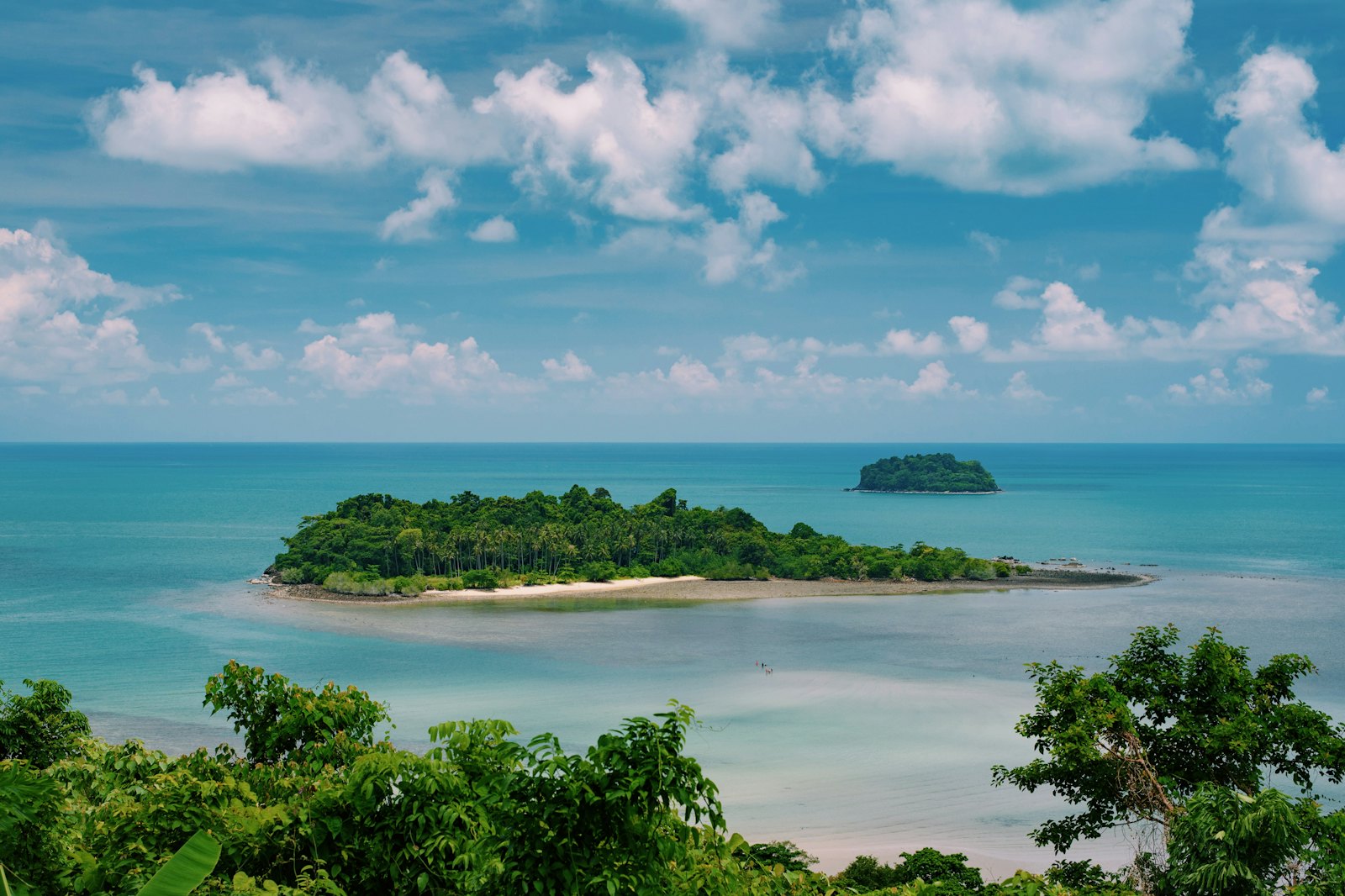
Today is the highlight of the trip. The water right around Koh Chang itself is fairly murky because the bottom is sandy mud, but the small islands to the south — Koh Rang, Koh Yak Yai and Koh Yak Lek, Koh Mapring — have much clearer water and coral for snorkeling. Tours mostly leave from Bang Bao Pier and include a pickup from your west-coast accommodation. You can choose a big boat (cheaper, slower) or a speedboat (faster, pricier).
Island snorkeling tour (hotel pickup and drop-off)
Check the weather — boats don't run in the monsoon
The eastern side of the Gulf of Thailand has a monsoon season roughly May–Oct, with strong wind and waves in spells. On some days the snorkeling tour may be canceled if the swell is high. For safety, plan your snorkeling for the middle of the trip so there's room to reschedule. If it pours that day and the tour is off, you can still shift it to the last day. And don't push to board if the operator has called it off because of the weather.
Day 3 — Klong Plu Waterfall, Bang Bao village, then the ferry back
Forest waterfall · fishing village · lighthouse
Pick the beach that fits your style
White Sand Beach
The most famous beach, with the most beachfront restaurants and bars, and a lively evening scene. Good for people who like an upbeat atmosphere and easy access to food.
Klong Prao Beach
The longest beach, quieter, with a calm and easygoing feel, and close to Klong Plu Waterfall. Good for couples and families who want a relaxed stay.
Kai Bae–Lonely Beach
The southern zone, laid-back and budget-friendly, with affordable accommodation and restaurants. Good for backpackers and longer stays.
Koh Chang food worth seeking out
Fresh waterfront seafood at Bang Bao
Blue swimming crab, prawns, shellfish, steamed grouper — seafood that came off the fishing boats the same day. You eat by the water in Bang Bao village, and the setting is lovely. Ask the price per kilo before you order.
Som tam and made-to-order dishes at White Sand Beach
Beachfront spots at White Sand serve made-to-order food, som tam and pad kaprao at prices you can stomach, eaten with a sea view. Good for an easy lunch between swims.
Steamed egg crab and blue swimming crab
Trat is crab country. Fresh blue swimming crab and egg crab, steamed and dipped in seafood sauce, are a local highlight that's easy to find fresh on the island, especially at the Bang Bao restaurants.
Fish or seafood rice porridge (khao tom)
A light dinner the islanders eat: rice porridge with fresh fish or mixed seafood in a well-rounded broth. Good for a night when you've had heavy seafood all day and want something warm and easy on the stomach.
Noodles and snacks along the coastal road
Noodle shops and snack stalls are scattered along the coastal road at friendly prices. Good for a quick bite while moving between beaches or before a boat trip.
Trat local fruit (rambutan, durian, salak)
During fruit season (May–Jul), Trat has rambutan, durian, mangosteen and salak sold at roadside stalls, fresher and cheaper than in Bangkok. They make a good gift to bring home too.
Beachfront cafés and coffee
White Sand and Klong Prao have seaside cafés to sit and sip coffee with a view. Good for an afternoon break between swims, with mid-range drink prices.
Beachfront bars at dinnertime
Come evening, White Sand's seaside bars play mellow music — sit with a few snacks and a drink and watch the sunset. Pick a place with clearly posted prices.
Rough budget per person (3 days, 2 nights)
- 2 nights' accommodation — a mid-range west-coast resort at THB 1,000–2,500/night (split between 2 people) comes to roughly THB 1,000–2,500/person. Budget options around Kai Bae–Lonely Beach are cheaper than this.
- Return ferry fare — foot passengers start in the low hundreds of THB per crossing; add the vehicle charge if you drive across.
- Day 2 island snorkeling tour — roughly THB 900–1,400/person, not including the national park fee collected on site.
- Food — 7–8 meals, roughly THB 1,200–2,500 for the whole trip, depending on whether you go for seafood or made-to-order dishes.
- Getting around the island — motorbike rental THB 250–350/day plus fuel, or a songthaew charged by distance (you won't need a vehicle on the snorkeling day since the tour picks you up).
- Waterfall entry — Klong Plu Waterfall is around THB 40 for Thai nationals and higher for foreigners.
- Rough total — roughly THB 4,500–8,500/person, not including the cost of getting to Trat from your home city.
Tips to make the trip smoother
- Check the season before booking — Koh Chang's high season is Nov–Apr, with clear seas, good sun, and all the tours running. May–Oct is monsoon season with lots of rain, strong waves in spells, some snorkeling tours canceled, and some accommodations closed for renovation. Check with your accommodation and tour operator first.
- Check the last ferry departure — on the day you leave, don't miss the boat. The last ferry usually goes in the evening, so allow 40–50 minutes to drive from Bang Bao or the southern zone back to the northern pier.
- Watch out for steep slopes when driving or riding — the coastal road is steep with hairpin bends, especially heading down to Bang Bao. Brake well, wear a helmet, and remember it gets very slippery in the rain. If you're not used to it, take a songthaew or hire a car.
- Pack sun and water protection — reef-safe sunscreen, a hat, sunglasses, a long-sleeve top, and a waterproof pouch for your phone. The sun is stronger than you'd expect on the snorkeling day.
- Withdraw cash beforehand — ATMs on the island are limited and some places take cash only. Bring enough cash to cover things and save yourself the hassle when paying for tours and seafood.
- Plan the snorkeling for mid-trip — that leaves room if your flight or transport is delayed on the first day, and room to reschedule if the swell is too strong and the tour is canceled — you can still shift it to the last day.
Want a shortlist of well-located places to use as your base for both nights of this trip?
See the Top 10 Koh Chang hotels →