🔄 Updated 21 Jun 2026
Koh Kood isn't easy-going year-round. The full open season and the monsoon months — when some hotels and boats stop running — are very different experiences. And because the island sits far out in the Gulf of Thailand, getting there takes a few legs, and most goods have to be shipped over by boat, so prices on the island run higher than on the mainland. We've laid out everything you need to prep in order, from choosing your dates to working out your budget, so you can plan it all in one go.
Best Time to Visit Koh Kood — Open Season Nov–Apr
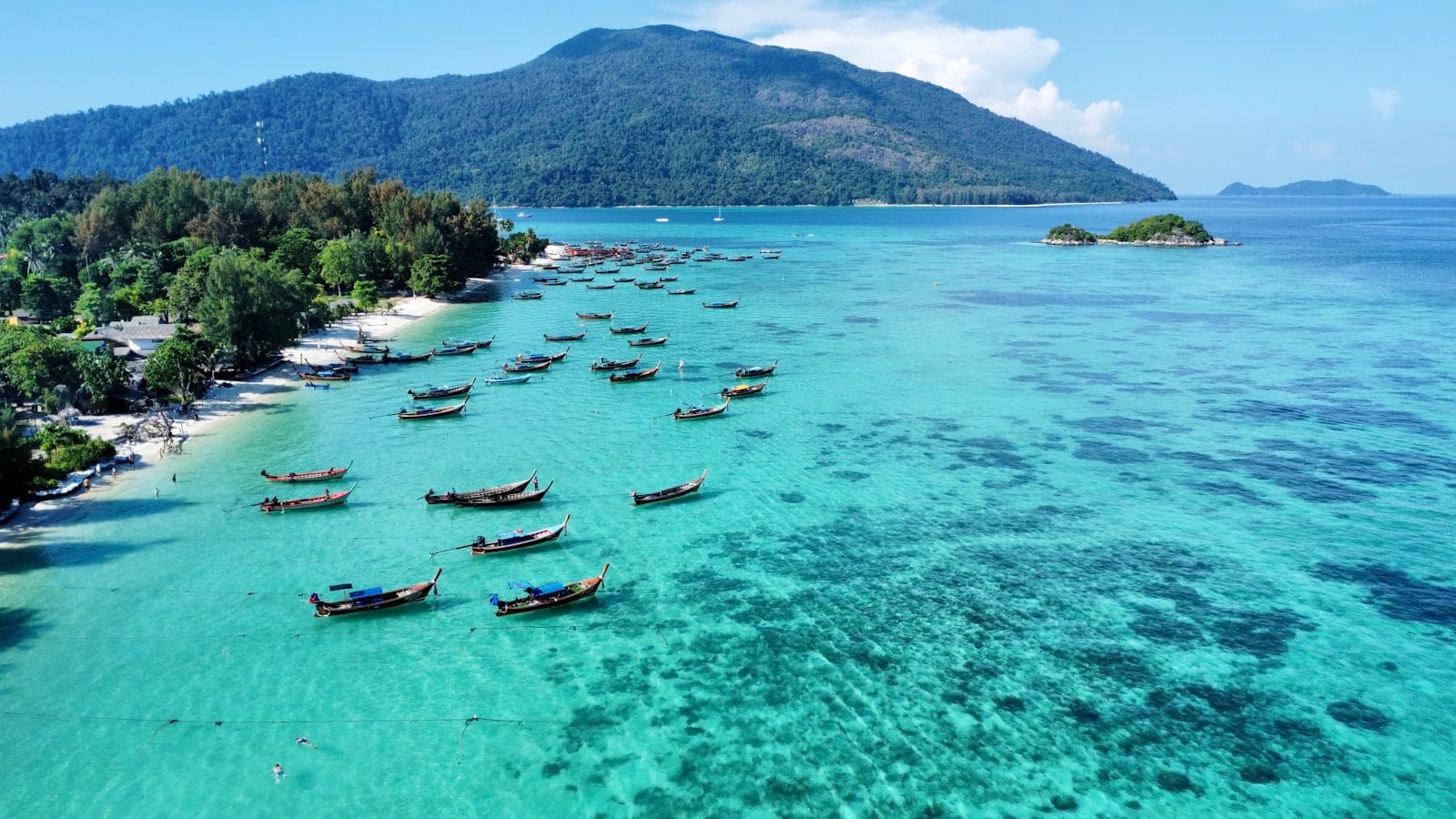
The best time for Koh Kood is November through April, the dry season on Thailand's eastern Gulf coast. Clear water, gentle waves, open skies — great for swimming, snorkeling over coral, and boating out to the islands nearby. This is the "open season," when every hotel, boat, and tour is running at full tilt. May through October is monsoon: heavy rain, rough seas, and the time you have to watch your travel plans most closely.
- Nov–Feb — the best weather, clear skies, calm sea. Full high season, so it's busy and rooms run pricey. Book ahead, especially over New Year when rooms fill up fast.
- Mar–Apr — still good for swimming and the water stays clear, but it starts getting hot. Songkran brings another lively spell.
- May–Oct — monsoon season: heavy rain and rough seas. Many island hotels close for renovations or shut down for a long stretch, and some speedboat operators stop running in the roughest months (roughly Jun–Sep). The island goes very quiet and prices drop noticeably, but you're gambling on both the rain and the boats.
Straight talk
If you're heading to Koh Kood in monsoon season (May–Oct), always check first whether the hotel you've got your eye on is open, and which boat operators are still running — because in the roughest months speedboats stop, leaving only the slower ferry, and on days when the sea genuinely closes you may not be able to leave the island as planned. Don't book tight onward bus or flight connections during this season.
How to Get to Koh Kood from Bangkok
Koh Kood has no airport on the island. The main route is to come down to Trat province, then catch a boat from a pier on the province's eastern coast. All in, Bangkok to your island hotel takes roughly 7–9 hours — noticeably farther than Koh Chang, so set aside the whole day.
- Van/coach + joint boat transfer — several companies sell packages from Bangkok (Ekkamai / Mo Chit 2) down to the pier with the connecting boat ticket bundled in. The easiest option if you don't have a car; book ahead so the bus and boat times line up.
- Drive yourself — take the motorway / Route 3 down to Trat, park at the pier's lot (daily parking fee), then take the boat across. Cars are less practical on Koh Kood than on Koh Chang, so most people leave the car on the mainland and rent a motorbike on the island instead.
- Fly into Trat — fly into Trat Airport (limited flights), then transfer by road to the pier. It saves time on the Bangkok–Trat leg, but the fares are much higher.
Boats to Koh Kood — Piers, Boat Types, Times
Most boats to Koh Kood leave from Laem Sok Pier (Mueang Trat district). There are both slow, budget-friendly ferries and faster speedboats. They generally run just a few times a day — the first around mid-morning and the last in the afternoon — not all day like the Koh Chang ferries, so plan your departure carefully.
- Ferry — carries both people and cargo, takes around 1.5 hours or more, and is the cheapest option. Good if you're not in a hurry and want to save money.
- Speedboat / catamaran — much faster, around 1–1.5 hours (some operators claim about 40 minutes to the nearest point). More expensive than the ferry, and the popular choice with travelers.
- Departures — usually 2–3 runs per day per operator, more in high season and fewer (or suspended for some operators) during monsoon. Always check the schedule with the operator before you travel.
Worth knowing
Book your Koh Kood boat ticket ahead, especially over long weekends and in high season, because runs are limited and seats fill fast. You can book and give your hotel name at the same time — many operators have a pickup at the island pier to drop you at your resort. Boat fares are approximate and vary by operator and season, so ask about the rebooking/refund terms in case the sea closes.
Getting Around the Island — Mostly by Motorbike
Koh Kood doesn't have public songthaews running all the time like the bigger islands. Getting around the island comes down to rented motorbikes, hotel transfers, or chartered rides. The main beaches and waterfalls are spread across different corners of the island — Khlong Chao, Ao Taphao, Ao Phrao, and the fishing village at the far end.
- Rent a motorbike — from around 250–300 THB/day (fuel not included). Maximum freedom to stop at beaches and waterfalls, and the most popular option — but you need to know how to ride and watch out for the narrow roads.
- Resort transfers — many hotels offer pickup from the pier and runs to nearby sights. Ask about the package when you book.
- Chartered car / local taxi — available by the trip or by the day, handy if you're in a group or don't want to ride yourself. Agree the price before you get in.
Ride carefully — narrow roads
Many stretches of road on Koh Kood are narrow, winding, and hilly, with some sections of narrow concrete lane running through jungle and plantations where two vehicles can barely pass. Some roads have no streetlights at night and get very dark. If you rent a motorbike, wear a helmet, check the brakes before you set off, and ride slowly — especially on downhills and curves. Avoid riding at night or in the rain, when the roads get slippery and hard to see. If you're not a confident rider, a resort transfer or chartered car is the safer call.
Prices Run High on the Island — Pad Your Budget
One thing plenty of people only discover on arrival: food and supplies on Koh Kood cost noticeably more than on the mainland, because everything — drinking water, fuel, food, household goods — has to be shipped over by boat. City-style convenience stores are scarce, and beachfront and resort restaurants charge more than the local spots in the village.
- Drinking water / supplies — pricier than in town. To save, buy water and snacks on the mainland before you board the boat.
- Beachfront / resort food — costs more than the eateries in the fishing village. For better value, head out to the local spots now and then.
- Motorbike fuel — sold by the bottle on the island, with a per-liter price higher than mainland stations. Fill up only what you'll use.
- Cash — ATMs on the island are limited and not on every beach. Many small shops take cash only, so withdraw enough on the mainland.
Mobile Signal and Electricity — Still Limited in Spots
Koh Kood keeps developing, but it's not at the level of the bigger islands yet. Mobile signal and internet are solid in the main accommodation areas like Khlong Chao, but once you head out to the quiet beaches at the far end of the island or into the jungle on the waterfall trails, the signal weakens or drops out in patches. As for electricity, some small resorts in remote corners run on generators or solar, so there can be stretches when power is limited.
- Signal — strong in the main accommodation areas, weak along the quiet beaches and in the jungle. Expect that you won't be able to get online at times — a plus if you want a break from screens.
- Hotel WiFi — most places have it, but it's not as fast as in town. At some places it's only strong in the lobby/restaurant zone.
- Electricity — big resorts run power 24 hours, but some small stays in remote corners may supply it in stretches. Bring a power bank to charge your phone just in case.
- Electrical appliances — if you need AC or anything that draws power all night, check with the hotel first whether they supply power continuously.
Check with your hotel before booking — this really matters
Before you hit book on a Koh Kood stay, message them and ask four things clearly: (1) are they open for your dates (especially in monsoon season), (2) is there a pickup from the pier or do you make your own way, and how, (3) are electricity and WiFi 24-hour or limited to certain hours, and (4) which boat operator do they recommend and at what times — because the hotel has the most up-to-date boat schedule. Asking ahead heads off a lot of on-the-spot problems.
Snorkeling and Boat Tours — All Down to the Weather
One of Koh Kood's highlights is taking a boat out to snorkel over coral around the nearby islands — the water is incredibly clear on good days. But these activities depend entirely on sea conditions. In monsoon season, if the waves are high, operators cancel trips for safety, and some days get called off on the spot.
Straight talk
If snorkeling is the main reason you're going, the open season (Nov–Apr) is a far safer bet. Check the forecast with the operator before every trip out, and don't push it if the seas are rough — safety comes first. Don't pin your whole trip on a single boat-tour day; keep a backup plan on the island.
Rough Budget for a Koh Kood Trip
Your budget depends a lot on your travel style, but as a rough per-person estimate for a mid-range 3-day, 2-night trip, here's roughly what to expect (not counting transport from Bangkok to the pier). Remember that island prices run higher than the mainland, so pad your budget more than for the islands closer in.
Round-trip boat fare (speedboat)
Round-trip speedboat between Laem Sok Pier and Koh Kood, pricier than the ferry. Choosing the ferry brings it down.
Pier parking (if you drive)
Leaving your car on the mainland while you're on the island, charged daily — budget for the number of nights you're away.
Accommodation, 1 night
Fan rooms / guesthouses start in the low thousands; beachfront resorts and nicer stays climb to several thousand. Cheaper in monsoon, but some places are closed.
Motorbike rental
From around 250–300 THB/day, not counting fuel, which costs more on the island than on the mainland.
Food per day
Eateries in the fishing village are reasonably priced; beachfront and resort restaurants run higher because goods are shipped over by boat.
Snorkeling tour around the islands (if you go)
A boat takes you snorkeling around the nearby islands, gear and lunch included. Varies by operator and how many islands.
All in, a mid-range 3-day, 2-night trip starts around 4,000–7,000 THB/person. If you pick a beachfront resort with a great view or add a snorkeling tour, add to that accordingly. All figures are estimates — fine for setting an initial budget, but check the real prices again when you book.
What to Pack and the Little Things People Forget
- Cash — boat fares, motorbikes, and many small shops take cash only, and ATMs on the island are limited. Withdraw enough on the mainland.
- Power bank — in case your stay supplies power in stretches, and for long days out at the far beaches.
- Sunscreen and mosquito repellent — the sun is strong and there's jungle around the island. Pick reef-safe sunscreen if you're going to snorkel.
- Shoes with grip — narrow roads get wet and slippery in spots, and the waterfall trails are dirt. Flat-soled flip-flops slip easily.
- Personal medication / motion-sickness pills — the boat crossing is long and can roll, so bring some if you're prone to seasickness; specific brands are hard to find on the island.
- Water / snacks from the mainland — buying before you board the boat saves money, since island prices run higher.
Ready to go? Plan your full Koh Kood trip
See the Koh Kood travel guide →