🔄 Updated 21 Jun 2026
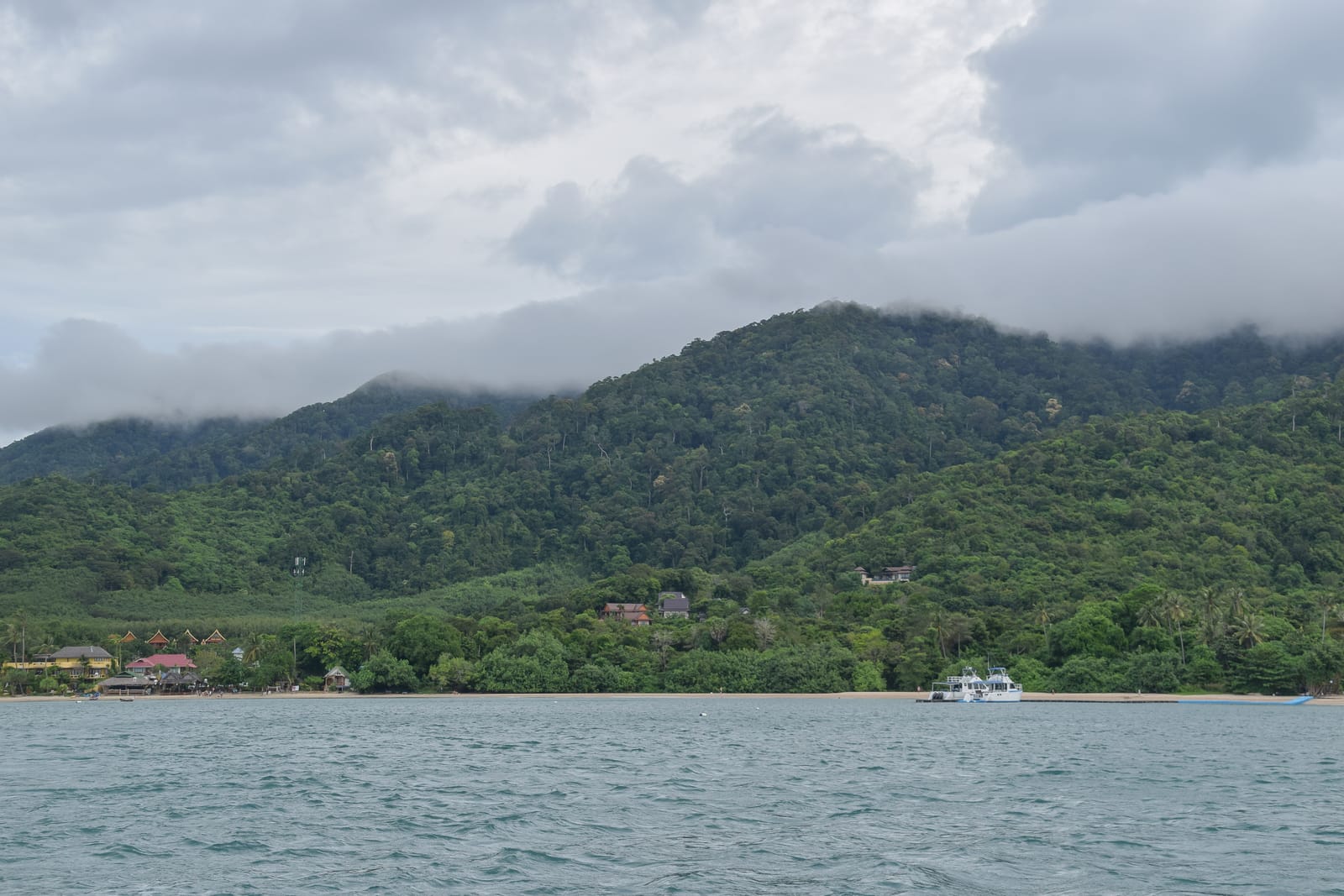
Koh Lanta sits at the southern end of Krabi province and is actually two islands side by side: Koh Lanta Noi (closer to the mainland) and Koh Lanta Yai, where all the beaches and accommodation are. The two are joined by the Siri Lanta Bridge, which opened not long ago, so you can now drive straight across without waiting for an extra car ferry. What makes Lanta different from Phi Phi or the busier islands is how quiet it stays — a single road runs down the west coast, and you can ride a motorbike past one beach after another all day long.
The beaches, north to south
Lanta's beaches all line up along the west coast, and the further south you go, the quieter and prettier they get. People staying several nights usually pick one beach as a base and ride out to explore the others, because each one genuinely has its own mood.
Klong Dao Beach
The northernmost beach, just a few kilometres from the Saladan pier. Fine white sand, shallow water, gentle waves — great for families with kids who want to splash around. It has the most restaurants and resorts on the island, and the sunsets here are lovely from a beachfront seat in the evening.
Long Beach (Phra Ae)
The longest beach on the island, running for several kilometres, with golden sand and a line of casuarina pines. This is the area with beach bars, restaurants, and a mix of accommodation across budgets — the atmosphere lands right between quiet and lively, perfect if you want long walks along the water.
Kantiang Bay
Down in the south of the island, a curved bay framed by green hills on both sides, with clear turquoise water and far fewer people than the northern beaches. There are good resorts here and scenic restaurants like Drunken Sailors, where people stop for coffee and lunch.
Klong Nin Bay
A mid-to-south beach with soft sand and a chilled-out feel. Small bars play music in the evening, and it's a favourite of longer-stay travellers because it's relaxed but still has something going on after dark.
Bamboo Bay (Ao Nui)
A small beach near the southern tip, just before the national park. Very quiet, ideal if you really want to get away from the crowds, with clear water and pretty rocks — but there are few shops, so come prepared.
How to pick a beach
Coming for the first time with family, Klong Dao or Long Beach are the easiest. If you want real quiet, head south to Kantiang or Klong Nin. And if you're staying 4–5 nights, try splitting the trip across two beaches — it's a fun way to do it, because the north and south of the island feel like different worlds.
Want more out of Krabi? Book tours & activities
Booking online ahead on Klook or GetYourGuide is usually cheaper than the gate and skips the queue. Pick only the experiences you actually want — prices and availability are shown live on each site.
Lanta Old Town — the part people miss
Lanta Old Town (Sri Raya) sits on the east side of the island, the opposite side from the beaches. A lot of people stay on the beach the whole trip and forget to cross over here, which is a real shame, because this is the oldest community on the island. Two-storey wooden houses on stilts jut out over the sea in a row along the single main road, with a Chinese shrine, coffee shops, seafood restaurants, and community batik shops. The slow pace here is the kind that Phuket's old town has started to lose.
This used to be an old trading port where Thai-Chinese, Thai-Muslim, and Sea Gypsy communities lived side by side for generations. Late afternoon into the evening is the best time to wander — the sun isn't harsh, the light is lovely, the seafront places start to open, and you can sit with a coffee watching the fishing boats come and go.
Rareview Coffee & Restaurant
A seafront café with a swing where you can dangle your feet over the water. The coffee is good, plenty of people say the khao soi here is tasty and nicely plated, and it's a popular check-in spot in the old town.
Apsara
A restaurant set in an old teak building that's been part of the town for years, known for grilled fish with a choice of sauces. Classic waterfront atmosphere — good for a relaxed dinner.
Pinto Restaurant
Well-cooked Thai food with an easygoing waterfront seating area and prices that won't sting. It's the kind of place where locals and travellers eat side by side.
On the way to the old town
The road that crosses the hills from the beach side to the old town has several viewpoints, and a few places set up tables looking down over the sea and the little islands. Stopping for a coffee before you drop into the old town works nicely. Just note that this stretch winds up and down the hills, so if you're not used to riding a motorbike, take it slow.
Sea Gypsy life at Ban Sangka-U
At the far south of the island is the Sea Gypsy village of Ban Sangka-U, a Chao Leh (Urak Lawoi) community that was among the first to settle on Lanta nearly five hundred years ago. They have their own culture, language, and rituals — including a boat-floating ceremony held twice a year to ward off misfortune. Come here with respect, not to gawk at people as a curiosity.
- Come respectfully — this is a community where people actually live. Ask before photographing anyone, and buy from the community if you can.
- Local boat tours — some villagers take visitors out by boat to see caves, nearby islands, and mangroves, with the income going directly to the community.
- Time it with a festival — if you're around for the Laanta Lanta Festival in the old town, you'll see Sea Gypsy culture and the island's many communities come together most clearly.
The national park, lighthouse, and nature
The southern tip of the island is Mu Ko Lanta National Park at Laem Tanod, where a white lighthouse — the island's emblem — stands on a hill between two bays. You can walk the nature trail that loops around the headland and down to the beaches. Park entry is 200 THB for foreign visitors, 100 THB for children, and 40 THB for Thais, plus an extra 20 THB for a motorbike. Last entry is around 5:30 PM.
- Laem Tanod lighthouse — a short walk up for open sea views on both sides, the classic photo spot with the island.
- Khlong Chak Waterfall — a seasonal waterfall reached by a trail along a stream past local plantations, with plenty of water in late rainy season.
- Beaches inside the park — quiet and clean; you'll often spot crab-eating macaques near the ranger station, so keep your food well stowed.
Monkeys and food
There are a lot of monkeys around the ranger station and they're quick to grab things. Don't walk around carrying a bag of food, and don't feed the monkeys — it just makes them aggressive toward the next person.
A multi-night trip — how to plan the days
Lanta is most fun when you don't rush. Below is an unhurried 3-day, 2-night outline that leaves time to just sit on the beach doing nothing. If you have 4–5 nights, simply stretch each day out and go slower.
Settle in on the northern beaches
Old town + the south of the island
National park or a boat tour
Getting to Lanta
Lanta has no airport of its own, so you'll fly into Krabi Airport first and continue by road. From the airport to the island takes around 2–3 hours, depending on the car-ferry queue.
- Minivan + car ferry — the most common option. Book at the airport or in advance; around 350–450 THB/person including the ferry, taking 2.5–4 hours depending on the ferry queue.
- Ferry / speedboat — only during high season (roughly Nov–Apr), departing Krabi to Saladan pier. Comfortable, but limited departures.
- Self-drive — take the car ferry from the mainland (Koh Klang) over to Koh Lanta Noi, then drive across the Siri Lanta Bridge to Koh Lanta Yai with no second ferry needed.
- Once you reach Saladan pier — continue by tuk-tuk or songthaew to your accommodation, around 50–150 THB/person depending on distance.
When to visit
Lanta is at its best in high season, roughly November to April — clear skies, calm sea, and everything open. In the rainy season (May–Oct) the island goes very quiet, with many restaurants and resorts closed; prices drop, but the sea gets rough and boat tours may be cancelled. If you love total quiet and can take the rain, it can still work.
Find a relaxed beachfront stay on Lanta for a longer trip
See the Top 10 Krabi hotels →