🔄 Updated 21 Jun 2026
Koh Mak is roughly 10 kilometers wide and 5 kilometers long — small enough to cross in a single day, but with more bays and tucked-away corners to explore than you'd expect. There are only two main villages: Ban Ao Nid on the east side and Ban Laem Son on the west. The rest is coconut and rubber plantations belonging to long-time local farming families. The main roads are paved concrete and easy to ride, while the shortcuts through the plantations are dirt and sand tracks that need care when wet.
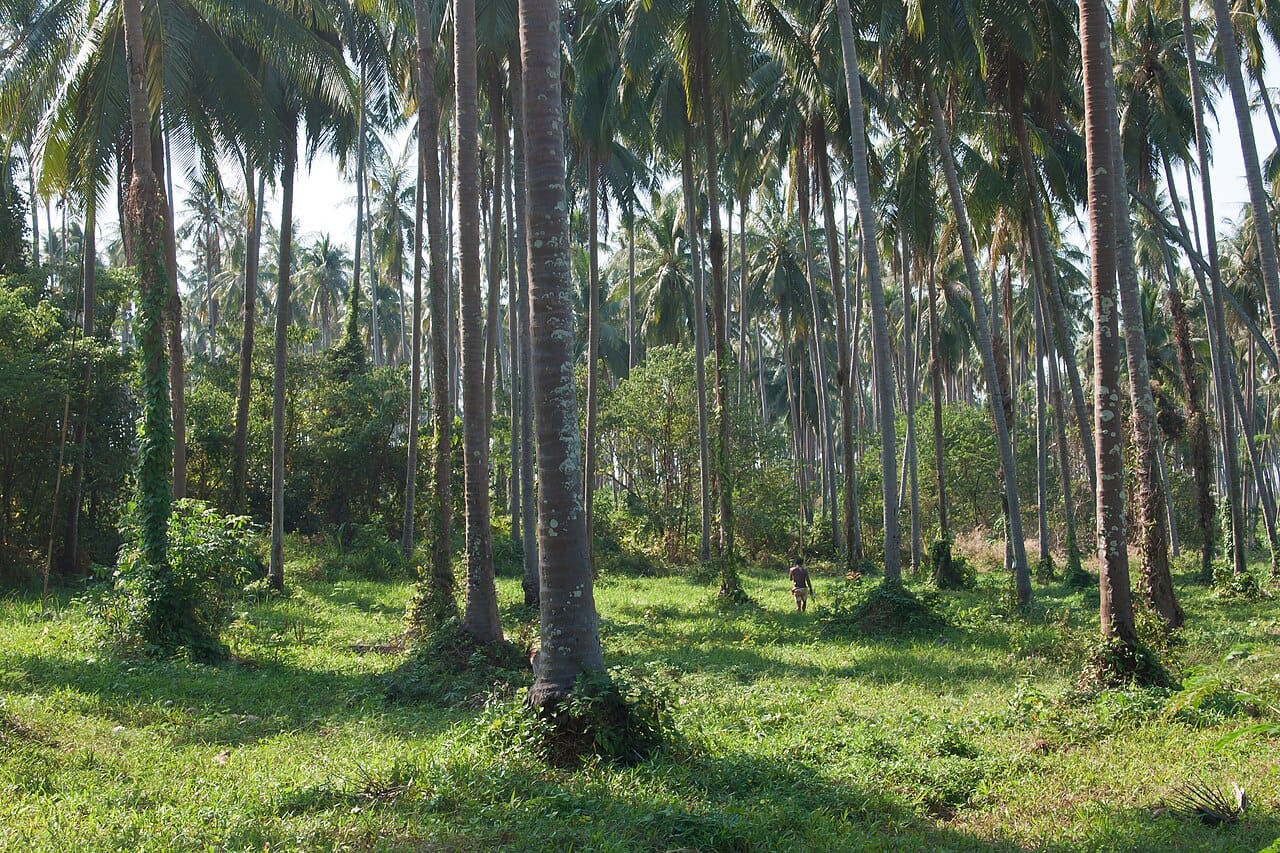
The appeal of cycling here isn't dramatic scenery — it's the quiet. Koh Mak has no 24-hour convenience stores, no traffic lights, no jams. You can ride for half an hour and pass only a handful of vehicles. Mostly what you hear is the wind in the coconut palms and waves somewhere in the distance. It's the kind of trip that genuinely slows you down.
Why Koh Mak is great for cycling
- Flat, with few hills — there are only a few low rises in the middle of the island; most of it is level ground, so even people who don't cycle much can manage. You just need a bike with gears.
- Very little traffic — the island roads are quiet, with no buses and no traffic signals, so it's far more relaxing to ride than on the mainland.
- A good distance — a loop with several stops runs about 12–15 kilometers; riding at an easy pace with photo and water breaks takes anywhere from half a day to a full day.
- Low-carbon — Koh Mak has positioned itself as a low-carbon destination for years, and cycling fits the island's mood better than a motorbike does.
Want more out of Koh Mak? Book tours & activities
Booking online ahead on Klook or GetYourGuide is usually cheaper than the gate and skips the queue. Pick only the experiences you actually want — prices and availability are shown live on each site.
Bike rentals, prices, and what to choose
Rental bikes on Koh Mak run about 150–250 THB a day, depending on the shop and the condition of the bike. Many resorts have bikes to borrow or rent on-site. Among the standalone shops, the ones people mention most are Koh Mak Information & Bike Rental near Ban Ao Nid, and resort-run outlets like Makathanee. Bring cash to rent, because many places only take cash.
- Pick a mountain bike with gears — if you plan to ride around the island and try the plantation tracks, a small-wheeled city bike will be a real grind on the dirt and the hills.
- Check the brakes and tires before you go — take a quick spin around the shop, test the front and rear brakes and the tire pressure. Mechanics are hard to find on the island if something fails mid-ride.
- E-bikes / golf carts are an option — some shops rent electric bikes, and golf carts run around 1,000 THB a day, handy if you're in a group or have older travelers along.
- Motorbikes start around 250 THB/day — there's that option if you want to move faster, but most places ask you to leave a copy of your passport or driver's license.
Bring enough cash
Koh Mak has very few ATMs and they can run out of money. Many shops, restaurants, and bike rentals take cash only. Goods on the island cost more than on the mainland because everything has to come over by boat. Withdraw plenty in Trat or Laem Ngop to cover the whole trip.
Recommended routes and stops along the way
Koh Mak has cycling-route signs scattered all over the island, so following them keeps you from getting lost easily. Below are the stops cyclists tend not to miss, listed as a loop around the island from south to north — reorder them to suit wherever you're staying.
Ao Kao Beach
A long beach on the southwest side with clear water and fine white sand — the most built-up part of the island for accommodation and restaurants. A convenient starting point, with breakfast or coffee on hand before you set off.
Bridge to the Dream (Cinnamon Bridge)
A wooden pier about 500 meters long stretching out into the sea around Ao Kao — a popular spot for photos and sunset. Park the bike and walk out to the end. It gets a bit busy in the evening.
Through the coconut groves to Laem Son
A sandy track under the coconut palms that opens onto Laem Son beach — incredibly quiet, with a view across to Koh Kradat on clear days. This is where you get the full Koh Mak farming-life atmosphere.
Rubber plantations and drying sheds, Ban Ao Tan
In the middle of the island you ride past rows of rubber trees, catching the smell of fresh latex and seeing rubber sheets drying in the farmers' sheds. It's a real, still-living way of life — ask nicely for photos and the locals are friendly.
Cat Temple shrine
A small shrine beside the route on the northeast side, with a ceramic cat statue. It's a landmark on the route and a spot for a short rest.
Ao Suan Yai
A wide bay on the north side with an open view of Koh Kood and the surrounding islands. The shallow water is good for wading, and there are beachfront restaurants to sit and sip a coconut before you ride on.
Turtle Beach – Ban Ao Tan
A small beach on the north side near the original village, quiet and rarely busy — a good place to rest in the shade and listen to the waves before riding back.
Laem Tukkata
A cape on the southwest side with an open view across to Koh Rayang Nok and Koh Rayang Nai. It's a turnaround viewpoint that cyclists like to reach for late-afternoon photos.
Plantation tracks get slippery when wet
Many of the plantation shortcuts through the rubber and coconut groves are dirt and sand. After rain they get slick and very hard to ride. If the sky looks heavy or the rain has just stopped, stick to the main concrete road — it's safer. Going down alone, far from anywhere, isn't fun.
A cycling plan for Koh Mak
If you have a couple of days on the island, splitting the riding into sessions is more fun than cramming it all in at once. Below is a rough plan you can adjust to your accommodation and the weather.
Warm-up: south side and Bridge to the Dream
Loop the island: plantations and the north beaches
What to know before you ride (straight talk)
- The monsoon, May–Oct, is quiet and hard to reach — boats run fewer trips or stop when the sea is rough, many resorts and shops close, and rain makes the plantation tracks slippery. The most comfortable cycling is roughly Nov–Apr.
- Getting to the island isn't quick — you take a ride to Laem Ngop in Trat province, then a speedboat for about 45 minutes (around 450 THB per trip, depending on the operator and season). Always check the boat schedule in advance, as it shifts with the weather.
- Goods on the island cost more and shops are limited — water, food, and bike rentals are pricier than on the mainland because everything comes over by boat. Bring cash and essentials to spare.
- The midday sun is very strong — the island is open with little shade on the road, so pack water, sunscreen, and a hat, and avoid riding between noon and 2 p.m. if you can.
- Pack out your trash — the north beaches and the plantations have almost no bins, so carry a bag for your own rubbish and dispose of it at designated points. It helps keep the island this quiet and clean.
Checking the weather first if you're adding snorkeling
Many people cycle the island and then add a snorkeling trip to nearby islets like Koh Kham. Snorkeling depends a lot on the wind and waves, and on rough days the boats may not go out. Check with the tour operator on the day and don't force it if the weather's bad.
Plan a full Koh Mak trip — accommodation, beaches, and food
See the Koh Mak travel guide →