🔄 Updated 21 Jun 2026
Narathiwat sits at the far south of the country, bordering Malaysia at the Sungai Kolok district. Most people come for the Malay food, the beaches, and a border-town feel that's unlike anywhere else. The city isn't big — 2 to 3 days is enough to get the full vibe of the main sights. If you like slow, uncrowded travel, this place suits you well.
Read this before you plan
Narathiwat is in Thailand's deep-south border region. Before you actually travel, check the latest news and official safety advisories, including the situation in each district. Plan your trip around the spots ordinary visitors go to, avoid isolated areas, and travel during daylight hours — you'll feel more at ease that way.
How to get to Narathiwat
You can reach Narathiwat by plane, train, or bus — pick based on your time and budget. Most people coming from Bangkok fly, since it's the fastest. Those who want to see the scenery along the way tend to take the train.
- By plane — There are direct flights from Don Muang to Narathiwat (NAW airport) on Thai AirAsia and Nok Air, taking around 1 hour 20 minutes. It's a small airport, so you walk straight from the plane to the terminal. There are taxi and limousine counters for the trip into town.
- By train — The State Railway runs express and rapid trains from Bangkok to Sungai Kolok. Get off at Tanyong Mat station (the most convenient for reaching Narathiwat town), or ride to the end of the line at Sungai Kolok. It takes a long time but it's scenic and cheap.
- By bus — There are coaches from Bangkok and the big southern cities. Good if you're not in a hurry and want to save money, but it's the slowest of the three options.
Book the activities in your Narathiwat trip ahead
Booking online ahead on Klook or GetYourGuide is usually cheaper than the gate and skips the queue. Pick only the experiences you actually want — prices and availability are shown live on each site.
Getting around in town
There's no Bangkok-style public transport in town here. Most visitors rent a car or motorbike, since many of the sights are outside the city and spread out. If you'd rather not drive, you can hire a local car or use a taxi for individual trips.
- Car rental — The easiest option if you're travelling as a group or want to reach the national parks outside town. Starts at around 1,000–1,500 THB/day.
- Motorbike rental — Nimble and good for getting around town and along the beach. Starts at around 250–350 THB/day. Don't forget a helmet.
- Hired car / taxi — Good if you're not driving yourself. Always agree on the price before you get in, especially for routes out to the national parks or the border.
Where to stay
Most accommodation is clustered in the Mueang (city) district, near the Bang Nara River and the town centre, with easy access to Narathat Beach and the restaurants. It's the area first-timers should choose first. If you're crossing into Malaysia, you might stay on the Sungai Kolok side, close to the border checkpoint.
Narathiwat town (Mueang district)
The main base for first-timers, close to Narathat Beach, the markets, and local restaurants. There are both hotels and guesthouses, with easy onward travel to other sights.
Sungai Kolok area
Good for those crossing into Malaysia or coming to browse the border markets. There's a range of accommodation near the border checkpoint.
Compare prices and reviews of Narathiwat hotels, ranked
See the Top 10 Narathiwat hotels →Must-see spots for first-timers
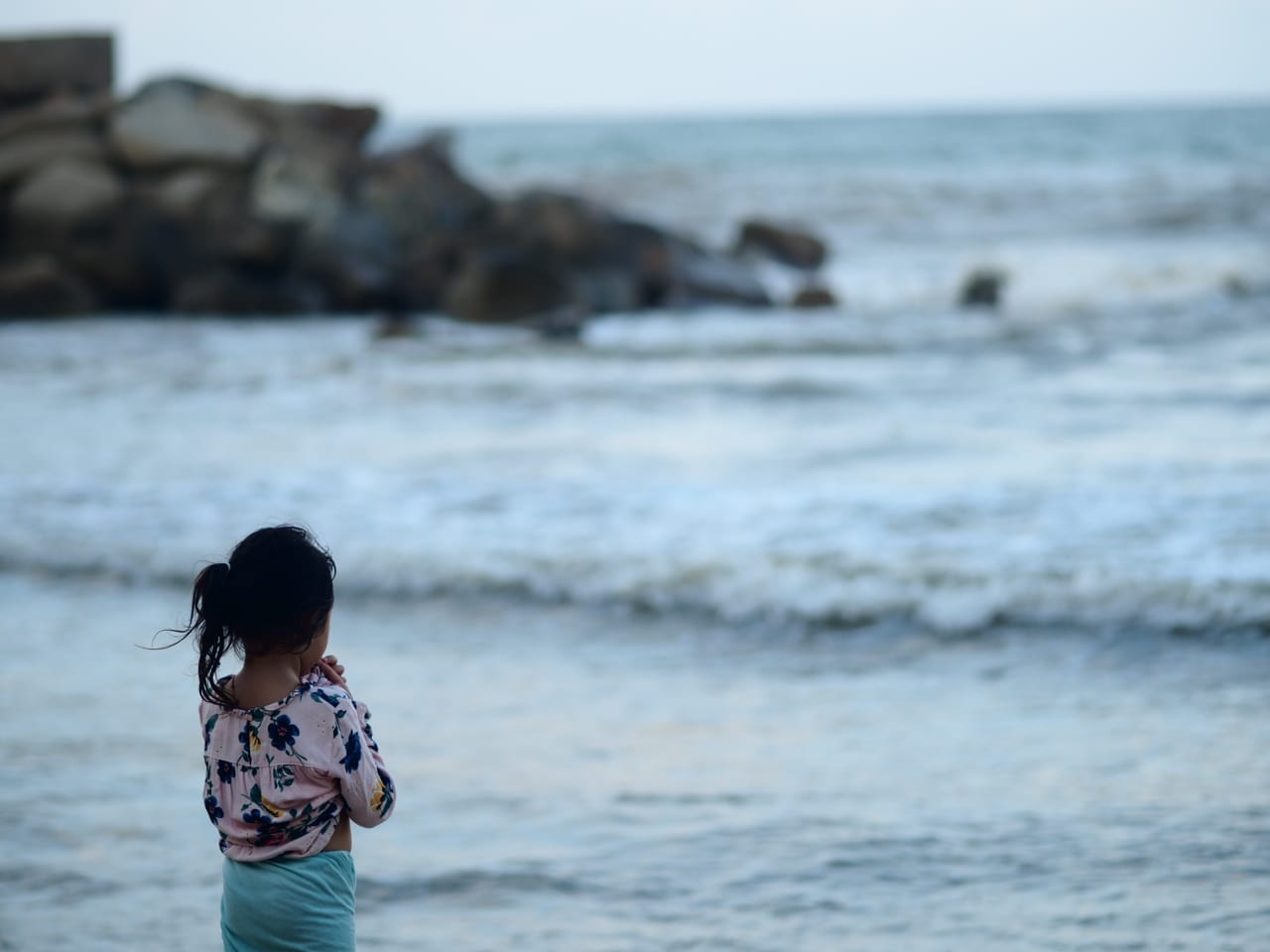
- Narathat Beach — A sandy beach running about 5 km right through town, shaded and easygoing. Best in the morning or evening — it's where locals come to watch the sunset and catch the sea breeze.
- Thaksin Ratchaniwet Palace — A seaside palace on Tanyong Hill, with gardens and bay views. It's open to visitors at certain times, so check the opening days and dress modestly before you go.
- 300-Year-Old Mosque (Wadi Al-Husein / Telok Manok) — An old wooden mosque in Bacho district, with a mix of Thai, Malay, and Javanese architecture. A good place to learn about the area's Muslim culture.
- Ao Manao–Khao Tanyong National Park — Beach and forested hills in one place, close to town, great for a walk and some nature photos.
- Pacho Waterfall (Budo–Su-ngai Padi National Park) — A large multi-tier waterfall pouring down a wide rock face, outside town, good for nature lovers wanting to escape the heat.
Food you have to try
This is the reason so many people fall for Narathiwat. The food here is Malay-Muslim — bold flavours, strong spice aromas, and a lot of it is hard to find outside the area. Popular spots often sell at set times and run out fast, so go a little early to catch everything.
Khao Yam (Nasi Kerabu)
Rice tossed with finely shredded herbs and vegetables, dried shrimp, and toasted coconut, dressed with mellow budu sauce. A classic breakfast for southerners on this coast — fresh and easy to eat.
Nasi Dagae
Malay-style coconut rice, eaten with a rich fish or beef curry. A dish that really tells the story of the area's food culture.
Kai Kolae
Grilled chicken glazed with a sweet-salty, mildly spicy coconut sauce, fragrant with spices, eaten with sticky rice or steamed rice. A signature of Thailand's three southern provinces.
Roti & Teh Tarik
Roti that's crisp outside and soft inside, with fragrant pulled tea. An afternoon snack and breakfast you'll find all over town.
Salted Gulao Fish
A premium local salted fish, well-rounded and not overly salty. A popular souvenir to take home — some shops also serve it as a dish with side condiments.
Sour Mango & Crispy Squid Salad
A bright, tangy salad made with local sour mango and crispy squid. A punchy favourite at the town's old family-run eateries.
Eating tips
Narathiwat is a Muslim area, so most restaurants serve halal food — no pork, and usually no alcohol. Some places close during Friday prayer times, so leave a little buffer in your schedule and you won't miss out.
A 2-day, 1-night plan for first-timers
This plan is built around the town as your base, focusing on the spots first-timers usually visit. Driving or renting a car is the smoothest way to do it. Adjust the timing to suit the weather and your own pace.
Town + the seaside
Nature + culture outside town
Etiquette and things to know
- Dress modestly — This is a Muslim-Malay area, especially when entering a mosque or government buildings. Women may want to bring a shawl to cover their shoulders.
- Respect prayer times — Some shops and places close during prayers, especially on Fridays, so build in some extra time.
- Carry cash — Many local shops and markets mainly take cash, so keep some on hand.
- Check the situation before you go — Follow the latest news and official safety advisories, stick to the spots ordinary visitors go to, and travel during daylight hours.
- Ask before photographing people — Especially in communities and markets. It's basic courtesy that keeps your trip smooth.
Want the full overview of travelling Narathiwat province
See the Narathiwat travel guide →