Thailand's southernmost province on the Gulf coast — a Malay-flavored border town with long sandy beaches, the Toh Daeng peat swamp, and bold local food
Narathiwat is the country's southernmost province, sitting right on the Malaysian border. People picture it through its Malay flavor, which runs through everything here — the language, the food, and the mosques. There's the Taksin Ratchaniwet Palace on a hill by the sea, Narathat
Start with stays →Khao Yam (Southern Rice Salad) — Rice tossed with budu sauce, shredded vegetabl
Taksin Ratchaniwet Palace — A royal residence on Tanyong Hill by the sea,
Narathat Beach — A long sandy beach in the middle of town n
Stays, sights, food and itineraries — all on one page
The best of Narathiwat — don't miss these on a first trip


Pick a tab for stays, sights, food, itineraries and prep
A ranked roundup plus per-hotel reviews, with prices compared across Agoda · Booking · Trip.com
Compare the top neighborhoods and pick by your travel style before you book
Narathiwat stays picked from real reviews — honest about the good and the bad, with price ranges and booking links
9.7
9.1
9.0
8.6
8.5
8.4
8.1
8.0
8.0
7.9
7.7
7.6Highlights and sights around Narathiwat — nature, city and culture
A royal residence on Tanyong Hill by the sea, once used as a seasonal palace. It has a garden of trees and a viewpoint over the wide Gulf of Thailand — the first image that comes to mind when people talk about Narathiwat.
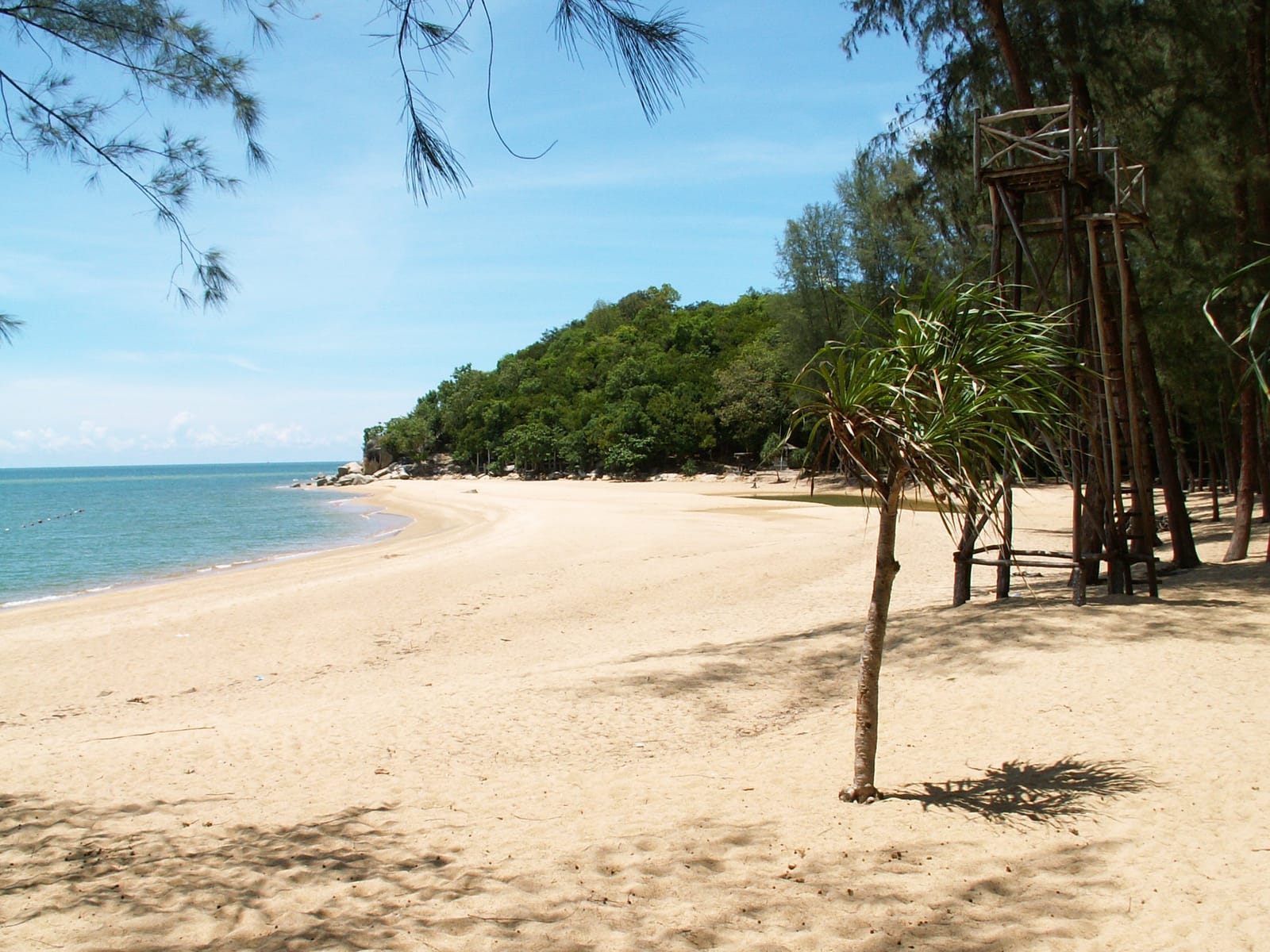
A long sandy beach by the town near the mouth of the Bang Nara River, with a fishing village and brightly painted kolae boats. A good spot to stroll, catch the sea breeze, and watch the coastal life of the locals.
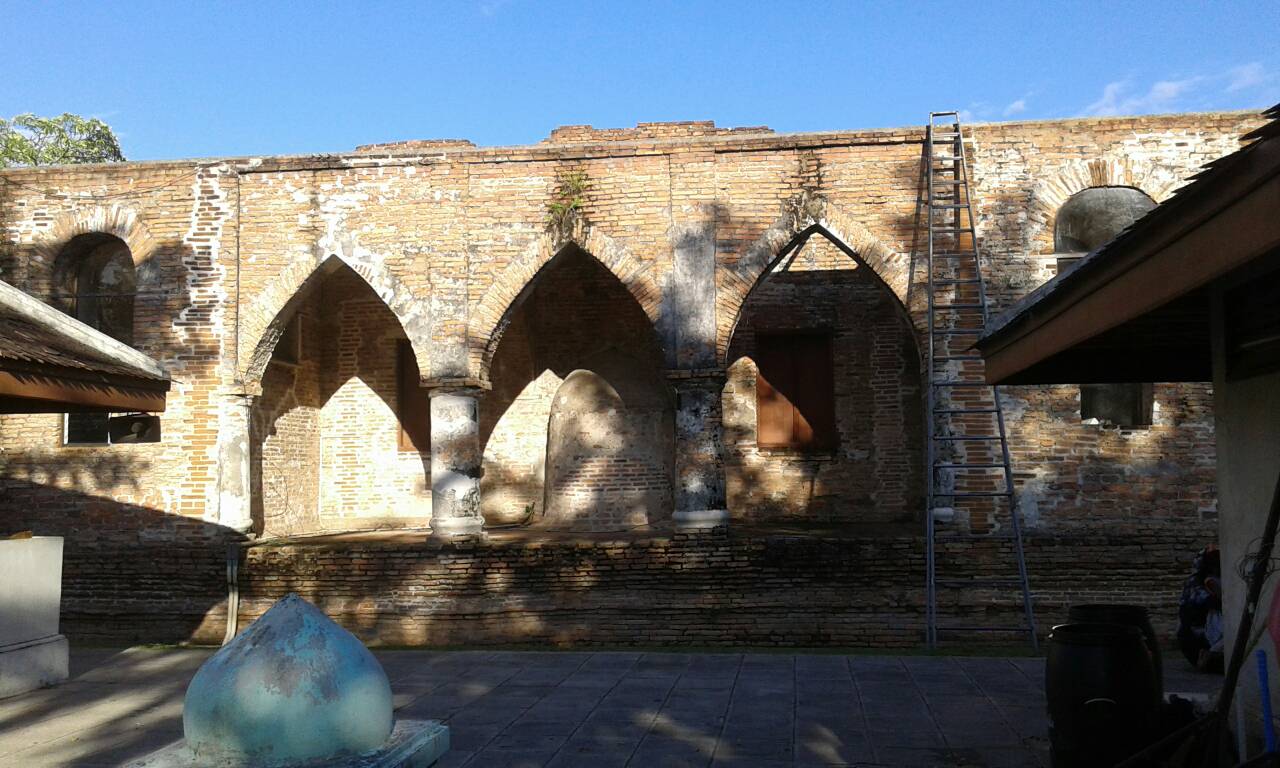
An old wooden mosque in Lubo Sawo, built entirely of wood that blends Thai, Chinese, and Malay craft, with a layered gabled roof. An old mosque that reflects the cultural roots of the province.
One of the largest intact peat swamps in the South, with a boardwalk winding through the forest to see swamp plants and rare birds. A natural spot people associate with Narathiwat.
A lively border town next to Malaysia, busy with markets and cross-border trade. It's the gateway into Kelantan state, with a border-town feel and food from two cultures side by side.
Narathiwat is a Malay border town, with brightly patterned kolae boats along the coast. The crafts and the local Yawi dialect reflect a culture you can still see in the seaside villages.


Narathiwat's signature food — real local spots, rounded up and ranked
Rice tossed with budu sauce, shredded vegetables, toasted coconut, dried shrimp, and herbs — sour, salty, and sweet in one plate. A light breakfast locals eat regularly.
Rice cooked in coconut milk topped with Malay-style fish or chicken curry, eaten with egg and chili paste. A quick breakfast sold at markets and tea shops across town.
Grilled chicken glazed with a sweet-salty coconut sauce scented with Malay spices, eaten with sticky rice or steamed rice. A well-known local dish of the deep South.
Gaeng tai pla, yellow curry, khua kling, and stir-fried sator beans, eaten with hot rice and fresh raw vegetables. A heavily spiced local meal you can find all over town.
Narathiwat is a fishing town with fresh shrimp, shellfish, crab, and fish. Seafood spots do it grilled, steamed, stir-fried with curry powder, or in tom yum, with ingredients fresh off the boats.
Tea shops open from morning till late. Roti, crisp outside and soft inside, eaten with curry or drizzled with milk, sipped with pulled tea and old-style coffee. Sitting at the tea shop is part of life in this town.
Budu is the deep South's signature fermented fish sauce, used to dress khao yam and made into budu chili paste eaten with fresh vegetables and fried fish. A local flavor Narathiwat people grow up with.
Malay-style sweets like akok, putu kedeng, and colorful coconut-milk desserts, sold at morning markets and night markets. Eaten with hot tea as a snack through the day.


Ready-made plans — from a day trip to 2–3 days, plus routes to neighbouring provinces


Best time to go, getting around, and what to know before visiting Narathiwat
February–May, clear skies and little rain, easy for the beach and hiking. November–January is the monsoon, with heavy rain and rough surf
A royal residence on Tanyong Hill by the sea, once used as a sea
A long sandy beach by the town near the mouth of the Bang Nara R
An old wooden mosque in Lubo Sawo, built entirely of wood that b
One of the largest intact peat swamps in the South, with a board
A lively border town next to Malaysia, busy with markets and cro
Narathiwat is a Malay border town, with brightly patterned kolae
Compare Narathiwat stays yourself across Agoda · Booking · Trip.com
🕌An old southern port town with a Malay soul — historic mosques, a Sino-Portuguese old quarter, and bold local food
Explore Pattani →
🌫️Thailand's southernmost province — a town laid out in perfect circles, plus Betong with the Aiyoeweng sea of fog, an old tunnel, and Hokkien Chinese food
Explore Yala →
🧜A two-sea province with a colorful old town, Samila Beach and its mermaid, the Nang Ngam street quarter, and the border trade city of Hat Yai
Explore Songkhla →Narathiwat is the country's southernmost province, sitting right on the Malaysian border. People picture it through its Malay flavor, which runs through everything here — the language, the food, and the mosques. There's the Taksin Ratchaniwet Palace on a hill by the sea, Narathat Beach stretching through the middle of town, and Wadi Al-Husein Mosque (the 300-year-old mosque) built entirely of wood.
Outside town you'll find Toh Daeng, one of the largest peat swamp forests in the South, waterfalls up in the hills, and the Sungai Kolok crossing into Malaysia. The food here is southern Thai mixed with Malay and heavily spiced — khao yam, nasi dagang, sticky rice with kai kolae, and tea shops that open from early morning. People come to Narathiwat to take in Malay border life, the Gulf coast, and local dishes that are hard to find anywhere else.
Best time: February–May, clear skies and little rain, easy for the beach and hiking. November–January is the monsoon, with heavy rain and rough surf