🔄 Updated 21 Jun 2026
Souvenirs from Narathiwat aren't just sweets in pretty boxes — they're flavours that have stuck with this southern border town for a hundred years. Many are fermented goods, processed foods, and seasonal fruit. Here we've sorted them into categories — fermented seafood, famous fruit, Malay sweets, and the places to buy them all in a single trip — so it's easy to decide what to haul home and exactly where to find it.
Fermented and Processed Seafood, the Heart of the Town
If you had to pick the souvenirs that say Narathiwat most clearly, it would be the fermented and processed goods from the sea. The town sits on the Gulf of Thailand and has small-scale fishing communities that have been at this for generations. This is the group that locals genuinely buy to eat themselves and to give as gifts.
Salted Kulao Fish (Tak Bai)
The salted fish locals call the king of salted fish, made in Tak Bai district for nearly a hundred years. What sets it apart is the fluffy flesh, a salt level that isn't overpowering, and a fragrance all its own. It's a registered GI product of the province, usually fried to eat with rice porridge or in a salad. The real thing is pricey because the fish are large and dried for a long time. Shops people mention often are Kulao Thong Mae Paen and Pa Uan in Tak Bai.
Budu Fish Sauce
A sauce fermented from sea fish and salt for around a year, and the foundation of many southern dishes from khao yam to dipping sauces. It comes thin, medium, and thick, in bottles or pouches. The best-known sources are Budu Ban Bakhe in Mueang district and the budu-making groups around Rueso. Some makers sell a ready-seasoned budu you can pour straight over khao yam.
Pickled & Sun-Dried Fish
Processed goods from fresh sea fish made by fishing communities. Pla som has a rounded sour tang and is fried, while sun-dried fish is dried just once so the flesh stays soft — fry it up and eat with hot steamed rice. Find it at the Narathiwat municipal fresh market and souvenir shops around town.
Keropok (Fish Crackers)
Malay-style fish crackers — chewy when fresh, crisp when fried. They're a snack and a side served at local restaurants. Buy them raw to fry at home; they're light and make an easy grab-and-go souvenir.
Processed Garcinia (Som Khaek)
Som khaek is a sour fruit the south uses for cooking. Around Tanyongmat there are housewife groups making candied and processed garcinia that keeps for a long time — use it to simmer a sour curry or just snack on it. It's a souvenir people don't often think of but genuinely useful in the kitchen.
About Carrying It On the Plane
Ferments like budu and salted fish have a strong smell and are liquid or semi-liquid. Pack them in checked baggage and seal the bags tightly — don't bring them into the cabin, both because of the liquid limit and the smell that clings to your bag.
Want to taste deeper? Try a Narathiwat food tour or cooking class
Half a day with a local who knows the lanes — or cooking a dish yourself — teaches you more than just eating. Book ahead on Klook or GetYourGuide.
Tanyongmat Longkong, the Famous Seasonal Fruit
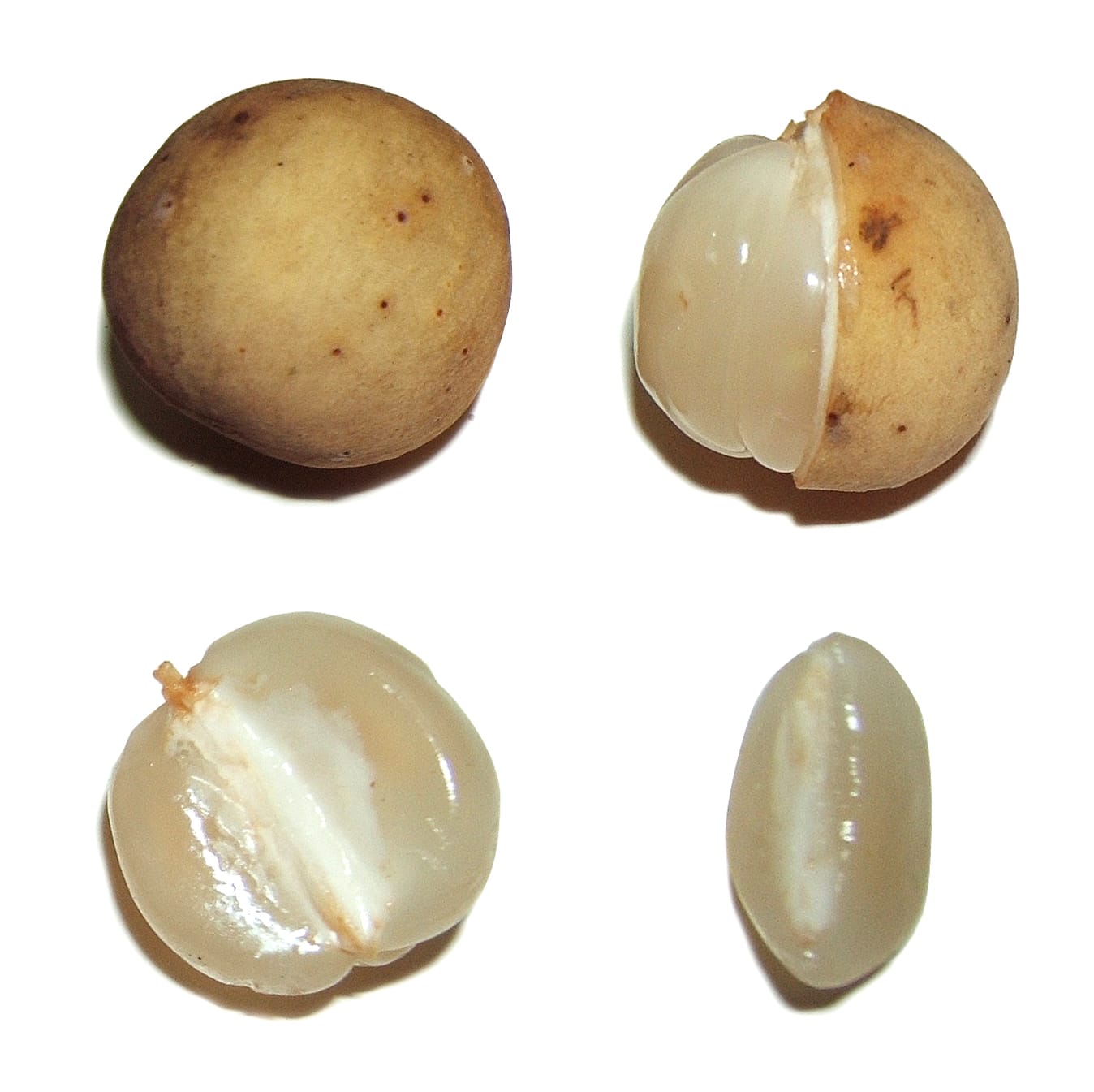
You can't talk about Narathiwat souvenirs without Tanyongmat longkong. Narathiwat grows more longkong than any other province in Thailand, and the Tanyongmat variety (longkong sipo grown at Ban Tanyongmat in Ra-ngae district) is known for dry, clear flesh, a thin skin that peels off easily, no sap, and a sweet aroma all its own — enough that it's considered the province's signature fruit.
- Season — mainly mid-August to September. If you want fresh longkong, this is the window to come.
- Buy at the orchard — around Ban Tanyongmat and Ban Sipo in Ra-ngae district there are orchards and roadside stalls. You can ask about sale points at the Ra-ngae District Agriculture Office during the season.
- Longkong Day festival — the province holds a 'good products of Nara' fair during fruit season, a chance to buy graded, quality longkong and other southern fruit all in one place.
- Off-season — if you come at another time, choose processed longkong or fruit preserves instead, since fresh longkong doesn't keep long and bruises easily on a long journey.
Picking Longkong That's Worth It
Good Tanyongmat longkong has thin skin, a smooth surface, and tight bunches where the fruit doesn't drop easily when you shake it. If you're carrying it a long way, choose bunches that aren't fully ripe and pull out any bruised fruit first — they'll last longer that way.
Malay Sweets, Century-Old Desserts at Yakang Market
Narathiwat's sweet-tooth souvenirs are Malay desserts, many made from recipes passed down for a hundred years. The best hub is Yakang Market in town, an old dessert-making community that comes alive at the riverside evening market (around 4–9pm). Come stroll, taste, watch them being made, and buy them all in one spot.
Akok
A sweet of flour, egg, coconut milk, and palm sugar — texture a bit like khanom mo kaeng but chewier, rich and sweet, baked in flower-shaped moulds. The shop people queue for is Rusna Akok on Phanason Road near the clock-tower roundabout, so popular you may need to order ahead.
Putu / Putu Batong
A steamed flour sweet filled with sugar and grated coconut, scented with pandan. It's a breakfast and snack served alongside hot Malay-style tea. Find it at Yakang Market and the morning markets.
Other Yakang Market Sweets
The market also has bataburo, ketayap, lupatiga, and plenty of other Malay sweets that are hard to find in other towns. Mix several kinds together for a souvenir set.
Fresh Sweets Don't Keep Long
Most Malay sweets use coconut milk and no preservatives, so they taste best within a day or two. If you have a long trip ahead, pick the drier kinds or ask the seller how many days they keep, then plan to buy near your departure day.
Non-Food Souvenirs People Like to Grab
If you want souvenirs that keep longer and reflect local craftsmanship, Narathiwat has handicrafts worth a look — buy them alongside the food at the same souvenir shops.
- Narathiwat batik — Malay-style patterns and colours, available as fabric lengths and as finished goods. A souvenir you'll actually use.
- Krajood and pandan-leaf weaving — mats, bags, and woven goods from community groups. Light and easy to pack.
- Model kolae boats — a local keepsake patterned after the traditional fishing boats that symbolise the Narathiwat coast.
Where to Buy — Spots to Find Everything
Narathiwat's souvenirs are spread across different neighbourhoods and seasons. Here's an easy shopping route — pick by your timing and what you're after.
In Narathiwat Town — Everything Edible in One Area
Tak Bai — Salted Kulao Fish at the Source
Ra-ngae / Tanyongmat — Seasonal Longkong
You Can Buy at the Airport Too
Narathiwat Airport has souvenir and gift shops in the terminal, handy if you forgot something or are short on time — grab budu, sweets, and dry goods before boarding. The selection and prices, though, won't match what you'll find in town.
Notes Before You Go
Narathiwat is part of the deep south border region. Before planning an actual trip, check the latest news and safety advisories from government agencies and ask your accommodation locally, so you can choose the right route and timing. For the most part, the market areas and souvenir spots in town can be shopped as usual.
This is a Muslim-Malay community, so when walking the markets or entering community shops, dress modestly and neatly and be respectful to shopkeepers and locals. Many souvenirs are halal — if you're unsure, just ask directly; people here are happy to explain.
Plan a Full Eating Trip Through Narathiwat
See the Narathiwat travel guide →