🔄 Updated 21 Jun 2026
Plenty of people drive straight through Pa Sang on the way to Ban Hong or Chiang Mai without realising it's worth a stop, even though the old Pa Sang market is one of the few places in Lamphun that still keeps wooden shophouses several decades old standing in a long row, rather than tearing them all down for new builds. Walk along the main street and you'll see two-storey wooden houses with louvred windows and wooden balconies — some are cotton shops, some are coffee houses, and some are still lived in.
What makes Pa Sang charming is that it isn't trying to be a tourist spot. It's a district town where people just go about their everyday lives, and it happens to be quietly beautiful in an old-fashioned way. So we'd suggest coming without rushing — park, walk, chat with the shop owners, drop by a temple, sit for a coffee. Half a day is enough to get a clear sense of the place.
The old market and the wooden shophouses
The heart of Pa Sang is the street through the Pa Sang sub-district municipality, around the old market. This is where the wooden shophouses still line up in a row — many are around 40 to 50 years old or more, the timber darkened to a deep brown over time. Here and there an old Sino-Portuguese concrete building breaks up the row, which gives the street more texture than your average district town.
- Walk and shoot in the morning — the early light slants across the wooden facades, the crowds haven't arrived, and the market shops are just opening.
- Look at the woodwork details — folding shutters, wooden windows, fretwork balconies. This is old craftsmanship that's hard to find in bigger cities now.
- Pa Sang fresh market — in the same neighbourhood, with local food, seasonal vegetables and fruit. A good place to grab a bite.
- Old grocery stores — some of these units are still traditional shops, with old signage and wooden cabinets, a real step back in time.
Tip
Pa Sang is a small town and most shops open from morning to late afternoon. If you arrive after about 4pm, the neighbourhood starts to go quiet. Come between morning and early afternoon to get the full atmosphere.
Want more out of Lamphun? Book tours & activities
Booking online ahead on Klook or GetYourGuide is usually cheaper than the gate and skips the queue. Pick only the experiences you actually want — prices and availability are shown live on each site.
Cotton shops at Ban Don Luang
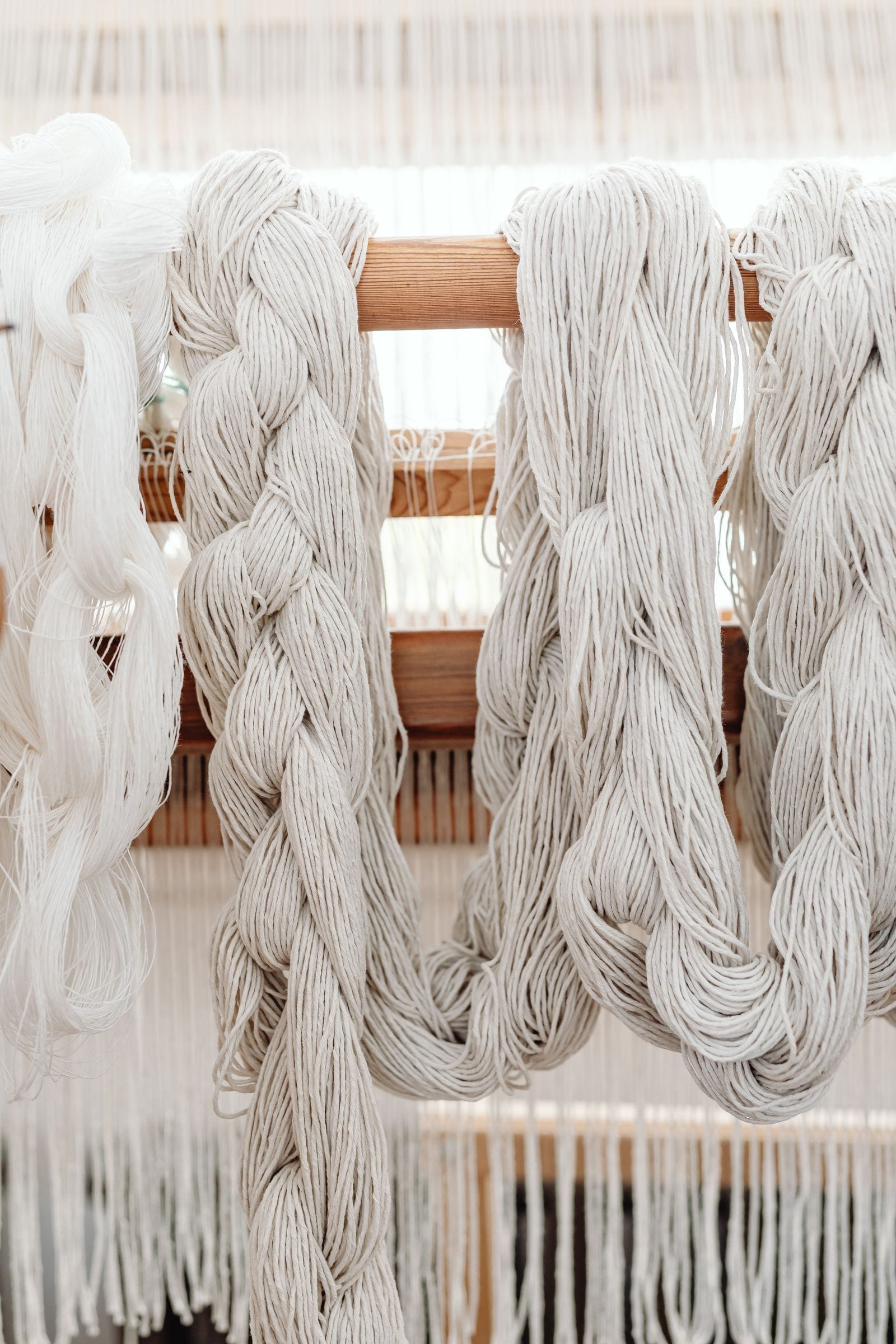
When it comes to Lamphun's hand-woven cotton, the first name locals think of is Ban Don Luang, in Mae Raeng sub-district, Pa Sang. It's a craft village that has been weaving cotton for generations, to the point that it's known nationwide as a cotton source. There are shops and weaving groups spread around the village, and you can walk through the whole process — from spinning the cotton and dyeing it through to weaving on the loom.
What's for sale isn't just lengths of fabric. There are sarongs, shirts, scarves and shawls, all the way to cushions, table runners and cloth bags. Prices run from the low hundreds for a scarf up to the thousands for special woven patterns or naturally dyed pieces. The upside is you're buying straight from the source, so prices are better than in town and you get to talk to the people who actually wove it.
- Hand-woven cotton scarves — from around ฿150–350 depending on pattern and size. Light, easy souvenirs that pack flat.
- Sarongs / wrap skirts — woven in local patterns, around ฿500–1,500 depending on how intricate the design is.
- Ready-made cotton clothing — both traditional and contemporary cuts, the kind of thing you'd actually wear day to day.
- Cotton home goods — cushions, placemats, bags. Affordable, and easy to buy a few as gifts.
The Don Luang cotton festival
Every year in early April the village holds a big festival, bringing together hundreds of cotton and local-craft stalls, with an old-style 'kad puen heuan' market and photo spots. If you come then it's especially lively, but the crowds come with it. Check the festival dates before you plan.
Wat Pa Sang Ngam, a stop in the centre of town
Wat Pa Sang Ngam is in the Pa Sang sub-district municipality, an old temple restored by a revered monk who came on pilgrimage from Yong (in Sipsongpanna). What people stop to see is the two-storey wooden scripture library (ho trai), with its tiered Lanna-style roof, windows painted with celestial figures, and the principal Buddha image in the viharn set within an old carved wooden busabok shrine. The temple grounds are shaded and quiet, and it's an easy walk from the market area.
Inside the temple there's also a small museum where the abbot has gathered antiques and local art objects — old Buddha images, palm-leaf manuscripts, and everyday items of the Yong people. It's a spot that helps you understand the roots of Pa Sang, settled originally by Yong people who migrated here. If you're into the town's history, it's worth the stop.
Cafes and places to rest in Pa Sang
Pa Sang doesn't have as many cafes as Chiang Mai city, but the ones it does have are small spots with a nice feel, good for a break after walking the market or browsing cotton. We've picked out the ones that are actually open right now.
SUKSUD
A homey cafe near Ban Don Luang. A cute little spot with eclairs, homemade baked goods and ice cream — a good follow-on after browsing the cotton shops in the village.
Route 116 Coffee Bar
A retro-style spot with a bamboo garden to chill in, right on Highway 116 between Pa Sang and San Pa Tong. Easy parking, good for a stop along the way.
Coffee shop in a wooden shophouse, market area
In the old market area there's a wooden shophouse unit turned into a small coffee shop, with an old-town feel. These come and go, so walk past, look at the storefronts, and pick whichever appeals.
Good to know
Many of Pa Sang's cafes are small family-run places, and their days and hours can shift. If you've got your heart set on a particular one, check its page that day before you leave the house to be sure.
A half-day to full-day plan for Pa Sang
You can do Pa Sang in half a day if you only want the market area and the temple, or stretch it to a full day if you want to dig into Ban Don Luang and stop at Wat Phra Bat Tak Pha too. Here are two options to choose from depending on your time.
Old town walk + cotton
Pa Sang + Wat Phra Bat Tak Pha
How to get to Pa Sang
- Own vehicle — from Lamphun town take Highway 106 south for about 12–15 km, a 15–20 minute drive. Well signposted, with parking in the market area.
- From Chiang Mai — about 40–50 km, roughly an hour's drive. Good as a day trip paired with Lamphun town.
- Songthaew / local bus — there's a Lamphun–Pa Sang service running during the day, handy if you don't have a vehicle, but departures are limited so allow extra time.
- Motorbike — if you rent in Lamphun or Chiang Mai, riding to Pa Sang is straightforward. The roads aren't steep and it's easy to get around the neighbourhood on foot.
Pair it up
Pa Sang is very close to Lamphun town, so we'd suggest pairing them on the same day — visit Wat Phra That Hariphunchai in town in the morning, then head down to Pa Sang in the afternoon for the cotton and the wooden shophouses. You get both the culture and the craft in one trip.
Plan a full day in Lamphun covering Pa Sang and the old town
See the Lamphun travel guide →