🔄 Updated 21 Jun 2026
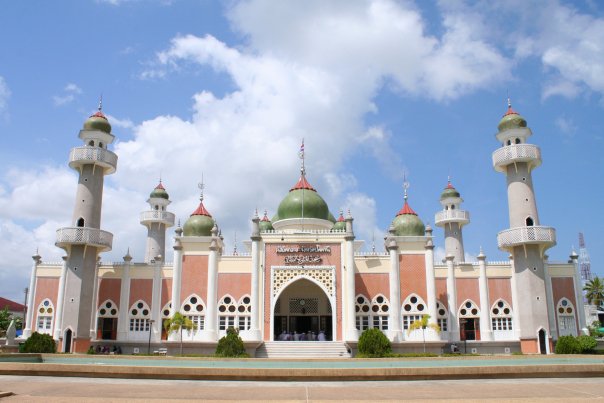
If you like walking cities with layers of history, Pattani tells its own story through mosques better than anywhere else in the Deep South. This was once the Sultanate of Patani, a trading port from the 16th to 17th centuries before it merged with Siam. The legacy of that era is scattered across old brick mosques, riverside trading quarters, and long-established Chinese communities. So this mosque-and-heritage plan isn't just about pretty photos — it's about reading the city one layer at a time.
Before we plan, I want to be straight with you: Pattani sits in Thailand's Deep South. The city's main tourist areas are fine to visit as usual, and locals are kind and genuinely helpful — but you should follow the news and official safety advisories before you actually travel. Plan your sightseeing for daytime, and because this plan centers on mosques, dress and etiquette matter more here than on a typical trip. Details are below.
Overview of this 2-day plan
- Day 1 — the mosque day Head out of town to Krue Se Mosque and the Lim Ko Niao shrine and tomb in the morning, then come back into the city for Pattani Central Mosque in the afternoon.
- Day 2 — the old-town heritage day Walk the Kerdjeen quarter — Sino-Portuguese shophouses on Anoru Road, the Leng Chu Kiang shrine, and cafes inside old riverside buildings.
- Getting around Krue Se is about 7 km outside the city, reached by private car or motorcycle taxi. The Central Mosque and old town are in town, walkable or a short drive apart.
Book the activities in your Pattani trip ahead
Booking online ahead on Klook or GetYourGuide is usually cheaper than the gate and skips the queue. Pick only the experiences you actually want — prices and availability are shown live on each site.
Day 1 — Krue Se Mosque and Pattani Central Mosque
Day one is about two mosques from completely different eras with completely different stories. One is old brick left unfinished for more than four centuries; the other is a graceful mosque that has become the face of the city today. Start a little early to dodge the midday heat and leave time for the trip out of town.
Mosque day: Krue Se to Central Mosque
Tips for the mosque day
The Central Mosque closes early, around 15:30, and you should avoid Fridays — if day one lands on a Friday, swap the Central Mosque to another day. Krue Se sits out in the open sun, so go in the morning and bring a hat and water. Wear shoes that slip off easily, since you'll need to remove them before entering the prayer area.
Day 2 — the Kerdjeen old town and its community heritage
Day two shifts to a slow-walking pace. The old quarter people call Kerdjeen (meaning 'Chinese market') runs along three streets beside the Pattani River — Anoru, Pattani Phirom, and Rue Dee — all linked within a few hundred meters. It's full of Chinese-Portuguese shophouses, shrines, cafes inside old buildings, and local eateries. This is the picture of a multicultural city where Thai Buddhists, Thai Muslims, and Thai-Chinese have lived together for hundreds of years.
Old-town heritage along the Pattani River
Tips for the old-town walking day
The old buildings, shrine, and cafes in the Kerdjeen quarter are all within walking distance — no car needed. Wear comfortable walking shoes and bring an umbrella or hat for the afternoon sun. Many local eateries sell out fast and close in the afternoon, so if you want the well-known spots, go before noon.
The story that ties the mosque to the old town
What makes this plan worth walking is the legend that connects Krue Se Mosque with the old Chinese quarter. As the story goes, Lim Ko Niao was a Chinese woman of the Lim family who followed her brother, Lim To Khiam, to Pattani to bring him home to care for their mother in China. When her brother refused to return — he had settled down and converted to Islam — she was so heartbroken that she ended her life at a cashew-nut tree, leaving a curse that the mosque her brother was building would never be finished. And to this day, Krue Se Mosque stands incomplete.
This is the reason a Chinese shrine and an old mosque share the same city, and why Pattani's Chinese and Muslim communities both honor each other's faith. The Lim Ko Niao festival, held on the 15th day of the waxing moon in the third lunar month (around February–March), features a firewalking ceremony and a procession carrying the deity through the river — the liveliest stretch of the year for the city. Walking this plan is like reading the city page by page, from the brick mosque outside town to the shrine in the riverside trading quarter.
Etiquette and dress code to know
- Entering a mosque — dress modestly; women should cover their hair and wear long sleeves and long pants. Remove your shoes before entering the prayer area, and avoid visiting during prayer times, especially Friday, the main day of communal prayer.
- Entering a shrine — dress respectfully, keep your voice down, and ask permission before photographing people who are praying.
- Photographing locals — always ask first, especially Muslim women, and respect their privacy.
- Food and drink — most local eateries are halal and don't serve alcohol, so planning your meals around that makes things easier.
A note on safety
Pattani is in Thailand's Deep South. Before you travel, check the latest news and official situation advisories from government agencies. Plan your sightseeing for daytime, keep your hotel's number on hand, and carry cash, since many local shops take cash only. Locals are kind and ready to help, so don't hesitate to ask for directions.
Where to go after this plan
If you have more than two days, add some nature — Talo Kapo Beach, Laem Tachi, or the Ao Manao skywalk. And if you want to go all in on food, Pattani has plenty more standouts: khao yam, nasi dagae, ayam kolae, and Malay sweets. Build on it however your interests run.
Look at places to stay in Pattani city — pick a spot near the old town and you'll have easy walking to the sights.
See the Top 10 Pattani Hotels →