Home Destinations Phetchaburi 🧭 Plan Your Trip 🔎 Search About
HomeThailandPhetchaburiPhetchaburi Temples & Local Craft Khao Wang · Wat Yai · Wat Mahathat in 3 Days
🛕 Phetchaburi Itinerary

Phetchaburi Temples & Local Craft
Khao Wang · Wat Yai · Wat Mahathat in 3 Days

Phetchaburi has been a town of artisans since the Ayutthaya era, and the stucco work, carved woodwork, and murals of the famous "Phetchaburi craftsmen" are still all here in the old temples around the centre. This plan walks you through them at an easy pace, starting from Khao Wang on the hilltop, down to Wat Yai Suwannaram and Wat Mahathat in the old town, then on to the stucco-craft temples on the outskirts, broken up with local food and riverside cafes. It fits neatly into 3 days of easy walking with plenty of time to take in the craftsmanship.

🛕 Temples & craft🎨 Phetchaburi stucco art🍮 Old-town eats
Phetchaburi Temples & Local Craft Khao Wang · Wat Yai · Wat Mahathat in 3 Days

🔄 Updated 21 Jun 2026

Say Phetchaburi and a lot of people think of Cha-am beach and mor kaeng custard first, but the real heart of the town is its craft. Phetchaburi has gathered skilled artisans across many trades since the Ayutthaya period, which gave rise to the Phetchaburi school of craftsmen, known for stucco work, lacquer-and-gilding, and woodwork. Many of the old temples in the centre are like living museums, so this plan lines them up so you can see the craftsmanship in full without running around all day.

Central Phetchaburi isn't big, and the main temples are all within a 5–10 minute drive of each other. Coming from Bangkok, it's about a 2-hour drive, or you can take the train or a minivan into town and then rent a motorbike or grab a local hired car. This 3-day plan stays 2 nights in town so you never have to rush.

Day 1 — Khao Wang and the western old-town temples

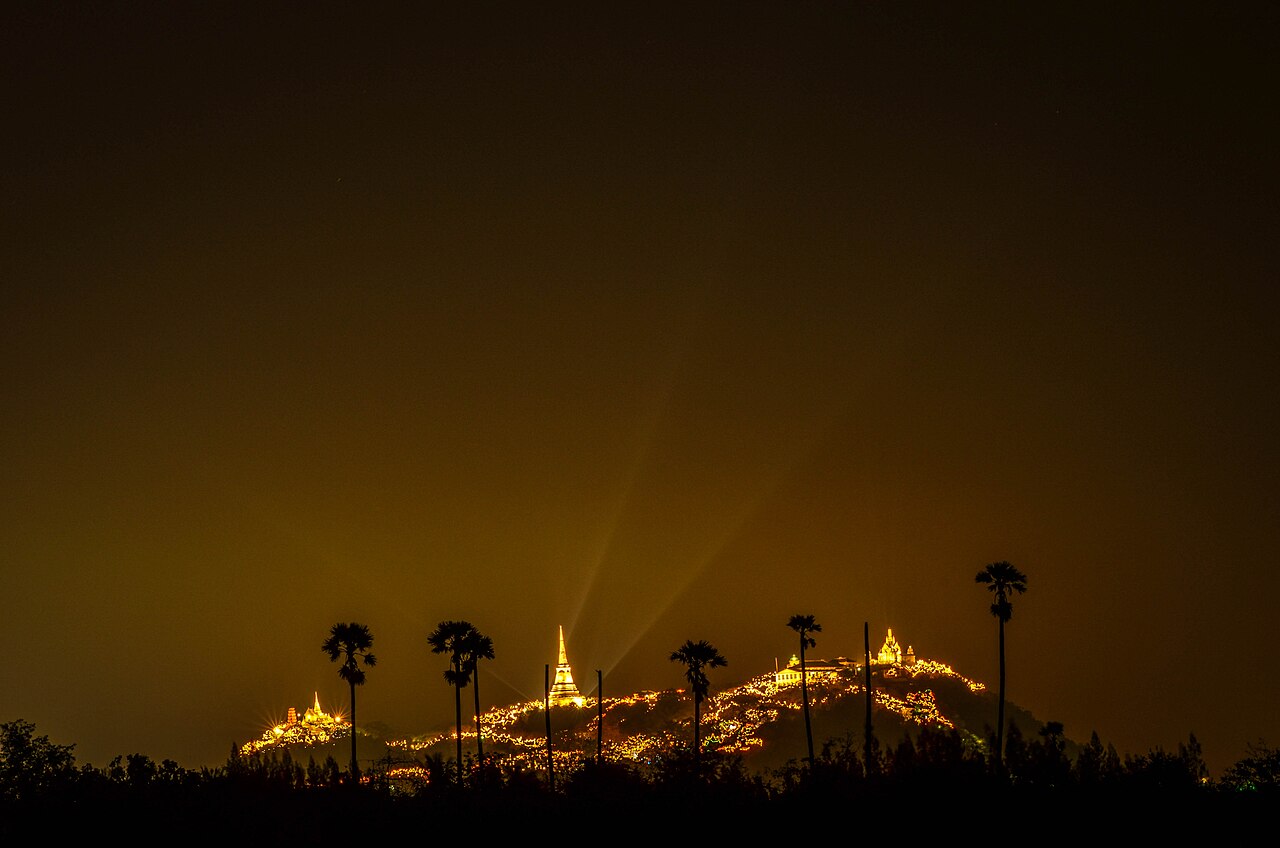
Start the first day with the town's highlight, Khao Wang, or Phra Nakhon Khiri, a hilltop palace from the reign of King Rama IV that blends Thai, Western, and Chinese architecture. Go in the morning while the sun is still soft and you can stroll around taking in the views over town, then head down to the in-town temples in the afternoon.

Day 1

Khao Wang + old-town temples

08:30
Head up Khao Wang (Phra Nakhon Khiri Historical Park)Open 08:30–16:30. Entry around 60 THB for Thais; you can either climb the stairs or take the funicular tram (tram is around 80 THB return for adults). Early on the sun is gentle, so you can take your time with the three hilltop royal halls and the full views over town.
11:00
Come down, stop at a cafe near the entranceAround the base of the hill there are cafes like Bitter n Brown, with gelato and unusual drinks like palm-sugar lod chong. A good spot to rest before heading into town.
12:30
Lunch — chilli-sauce noodles / an old-school noodle shop in townA Phetchaburi specialty; several long-running shops sit around the town market.
14:00
Wat Yai Suwannaram WorawihanAn Ayutthaya-style ordination hall with a five-tier 'assembly of deities' mural, carved door panels, and an entirely teak sermon hall that's said to have been moved here from the royal palace in Ayutthaya. The real deal of Phetchaburi craftsmanship.
16:00
Wat Kamphaeng LaengThe oldest Khmer temple in Phetchaburi, from the reign of Jayavarman VII. You'll see laterite prangs and the remains of old walls, a different feel from the Ayutthaya-era temples.
18:00
Walk the riverside market lanes for an evening biteThe old-town area along the Phetchaburi River has street art on the walls, local sweet shops, and old wooden shophouses. Great for a long evening stroll with photos.

A tip for Khao Wang

If you climb the stairs on the way up and take the tram on the way down, you'll save your legs and see the views from two angles. Watch out for the monkeys around the stairs too — don't carry open food bags, and keep your sunglasses and hat tucked away.

🎟️

Book the activities in your Phetchaburi trip ahead

Booking online ahead on Klook or GetYourGuide is usually cheaper than the gate and skips the queue. Pick only the experiences you actually want — prices and availability are shown live on each site.

🎟️ See all Phetchaburi tours & activities (Klook)

Day 2 — Wat Mahathat and the Phetchaburi stucco trail

Day two is all about the stucco craft. Start at Wat Mahathat Worawihan in the middle of town, with its five-spired prang you can see from far off, then head to Wat Khao Bandai It, where the gable of the ordination hall has a flame-motif kanok pattern framing a Garuda, finely worked by Phetchaburi craftsmen. Finish by stopping in to see contemporary craft work around the community.

Day 2

Wat Mahathat + stucco trail

09:00
Wat Mahathat WorawihanThe white five-spired main prang is the landmark in the centre of town. The royal vihara dates to the late Ayutthaya period, and the gable is decorated with a stucco Narayana riding a Garuda. Look out for the playful stucco caricatures tucked into the corners — a charming touch from the Phetchaburi craftsmen.
11:00
Wat Khao Bandai ItThe ordination-hall gable carries a flame-motif kanok pattern framing a Garuda, delicately worked by Phetchaburi craftsmen. Inside the hill are caves like Tham Prathun and Tham Phra Chao Suea, with quiet Buddha images in the caves.
13:00
Lunch in the old town + khao chae (if it's the hot season)From around March to May, try traditional Phetchaburi khao chae at a shop in the Khlong Krachaeng area — rice in fragrant flower-scented chilled water with fried side dishes.
15:00
Walk around the old-town community to see stucco craftPhetchaburi is a creative city for craftsmanship, with craftsmen's homes and Phetchaburi-school work to drop in on around the community. Ask locals about the current generation of stucco artisans.
17:00
Cafe by the Phetchaburi RiverThere are several Thai-house riverside cafes in town. Sit in the outdoor section right by the water, sip a coffee, and catch the sunset.
19:00
Dinner + Phetchaburi sweetsRound things off with candle-smoked mor kaeng custard, thong yip and thong yot, or chilled palm fruit in syrup. Phetchaburi sweets are easy to find all over the area.

Day 3 — Catch the outlying temples and pick up gifts to take home

On the last day, mop up whatever you didn't get to, no pressure. If you're still taken with the craft, loop back to a temple you liked, or head out to the cave temples on the edge of town with their Buddha images and stucco work in the caves, then grab some gifts before heading back.

Day 3

Cave temples + gifts

08:30
Tham Khao LuangA large cave near Khao Wang with many Buddha images inside. Light streaming through the cave ceiling in the late morning is especially beautiful. It's a cave temple the people of Phetchaburi hold dear.
10:30
Loop back to a favourite temple / shoot more street artIf you were rushed the day before, go back and sit with the stucco at Wat Mahathat, or finish walking the riverside market lanes.
12:00
A light lunch in townRice and curry, noodles, or khanom jeen with fried fish cakes at a market shop.
13:30
Buy gifts to take homeMor kaeng custard, thong yip and thong yot, real palm sugar, and palm fruit are the Phetchaburi gifts to look for, available both in town and along Phetkasem Road.
15:00
Head homeIf you're going back to Bangkok, allow a bit of extra time for the evening holiday traffic.

Temples and craft stops not to miss

Hilltop

Khao Wang (Phra Nakhon Khiri)

A hilltop palace from the reign of Rama IV blending Thai, Western, and Chinese styles, with lovely town views. Open 08:30–16:30; funicular tram available.

Old town

Wat Yai Suwannaram

A five-tier 'assembly of deities' mural and a teak sermon hall — fully intact Ayutthaya-era craftsmanship.

Old town

Wat Mahathat Worawihan

A five-spired prang in the town centre, with stucco of Narayana riding a Garuda and playful stucco caricatures.

Cave temple

Wat Khao Bandai It

A gable with a flame-motif kanok pattern framing a Garuda, the work of Phetchaburi craftsmen, plus Buddha caves to wander.

Understanding 'Phetchaburi craft' before you go

Before you set off temple-hopping, knowing a little about where the craft comes from makes it far more fun to look at. The Phetchaburi school of craftsmen emerged during the Ayutthaya era, known for stucco work, gilded-and-mirror lacquer decoration, and wood carving. What stands out here is that the artisans dared to put humour into their work — for example, stucco caricatures of people or animals slipped into the temple corners, so it's not all solemn.

  • Stucco — look at the gables and door arches for kanok patterns, deities, and Garudas; some spots hide stucco caricatures.
  • Wood carving — door panels, windows, and teak hall structures; note the deep grooves of the carving.
  • Murals — the assembly-of-deities and gatekeeper images in the Wat Yai ordination hall are a prime example.
  • Gilded-and-mirror lacquer work — found on the bases of principal Buddha images and the scripture cabinets in some temples.

Temple etiquette

Dress modestly with shoulders and knees covered, take off your shoes before entering an ordination hall or vihara, and ask before photographing murals in some spots. Many of these are still working temples with resident monks and people coming to make merit, not just photo stops.

Food to break up the temple trail

Temple-hopping all day calls for food breaks. Phetchaburi is a genuine town of sweets, and it has several old-school savoury shops in the old-town area. Here's what's worth trying as you make your way around the temples.

1

Candle-smoked mor kaeng custard

Sweet / gift

The sweet that goes with Phetchaburi. A smooth, soft egg-custard base topped with a dense layer of mung bean or taro, with the signature faint scent of candle smoke. Found all over town.

SweetGift
2

Chilli-sauce noodles / old-school noodle shops

Lunch

A famous savoury dish; several long-running shops have been selling for over 60 years around the town market. Perfect for a lunch break between temples.

SavouryOld-school
3

Phetchaburi khao chae

Hot season (Mar–May)

A hot-season dish — rice in chilled, fragrant flower-scented water eaten with fried side dishes and carved vegetables. Mae Aon's shop in the Khlong Krachaeng area is well known.

SavourySeasonal
4

Palm fruit in syrup / palm-sugar lod chong

Cold sweet

Refreshing cold sweets from Phetchaburi's palm trees, easy to find in the old town and at cafes that use real palm sugar.

Sweet
5

Thong yip, thong yot, foi thong

Sweet / gift

The 'golden' family of Thai sweets that Phetchaburi makes beautifully and just sweet enough. Buy them as a snack or as gifts to take home.

SweetGift

Want a shorter version of this plan or help picking a place to stay in town? See the full Phetchaburi guide.

See the Phetchaburi travel guide →

FAQ

How many days is right for a Phetchaburi temple trip?

The main in-town temples — Khao Wang, Wat Yai Suwannaram, and Wat Mahathat — can be done in 1 rushed day, but if you want to study the stucco craft in detail, take in the outlying cave temples, and walk the old town too, 2–3 days is comfortable without having to hurry.

What are Khao Wang's opening hours and entry fee?

Phra Nakhon Khiri Historical Park (Khao Wang) is open daily 08:30–16:30, with entry around 60 THB for Thais. You can either climb the stairs or take the funicular tram (around 80 THB return for adults). Prices may change, so it's worth checking again on site.

Which temple is best for seeing Phetchaburi craftsmanship?

Wat Yai Suwannaram stands out for its assembly-of-deities mural and teak hall, Wat Mahathat Worawihan for its gable stucco and playful stucco caricatures, and Wat Khao Bandai It has a very finely worked gable with a flame-motif kanok pattern framing a Garuda. All three clearly show the work of the Phetchaburi school of craftsmen.

Is getting around Phetchaburi town easy?

The town isn't big, with the main temples only 5–10 minutes apart by car. Driving yourself is the most convenient since parking is easy. If you come by public transport, renting a motorbike or grabbing a local hired car in town will get you to every stop in this plan.

What's the best season for a Phetchaburi temple trip?

Temples are good year-round, but if you also want to eat khao chae, come in the hot season, March to May. In the rainy season the cave temples can be slippery, so take care, and if you want to catch the Phra Nakhon Khiri festival with Khao Wang lit up, it's usually held early in the year — check the dates before you plan.

Copyright & Image Takedown Policy

Thailandaddict is created to review and share travel experiences. Where an image is sourced from elsewhere, we credit the source. If you are the copyright owner and prefer that your image not appear on this site, please contact us and we will gladly remove the image or correct the information.