Home Destinations Phrae 🧭 Plan Your Trip 🔎 Search About
HomeThailandPhraePhrae Teak Houses + Indigo Cloth, 2 Days
🪡 Phrae Itinerary

Phrae Teak Houses
+ Indigo Cloth, 2 Days

Phrae tells its story through two things: the teak houses the old northern lords built, and the deep navy indigo cloth the locals call mor hom. This plan weaves both into two days — walk Khum Chao Luang and Wongburi House in the old town, then head out to Ban Thung Hong to try dyeing cloth yourself. Opening hours, entry fees, and real distances are all here so you can time it right.

🏚️ Century-old teak houses🟦 Indigo cloth dyeing🚶 Walkable old town
Phrae Teak Houses + Indigo Cloth, 2 Days

🔄 Updated 21 Jun 2026

Ask a local to name two things Phrae is known for and you'll usually hear: teak houses and mor hom cloth. Both are tied to the town's history during the teak-trade era under King Rama V, when lords and merchants had the means to build big teak mansions. Mor hom is the indigo-dyed cloth that the people of Ban Thung Hong have made for over a hundred years. This plan strings the two stories together across two days, focusing on places that are actually open to visitors and close enough to walk or reach with a short drive.

Phrae town is small — most spots in the old-town area sit no more than 1–2 km apart, an easy walk on a day that isn't too hot. Ban Thung Hong is just outside town along Yantarakitkoson Road (Highway 101, the Phrae–Nan route), about 4 km from the center, roughly a 10-minute drive by car or motorbike.

Day 1 — Old Town, Teak Houses & a Pink Mansion

Day 1

Walk the old town and see the lords' teak mansions

09:00
Start at Khum Chao Luang (Phrae City Museum)Open daily 08:30–16:30, free entry. It's a European-influenced teak mansion that belonged to Chao Luang Phiriya Thepwong. The part everyone talks about is the cells beneath the house, still kept on display. Allow about 45 minutes to walk through.
10:15
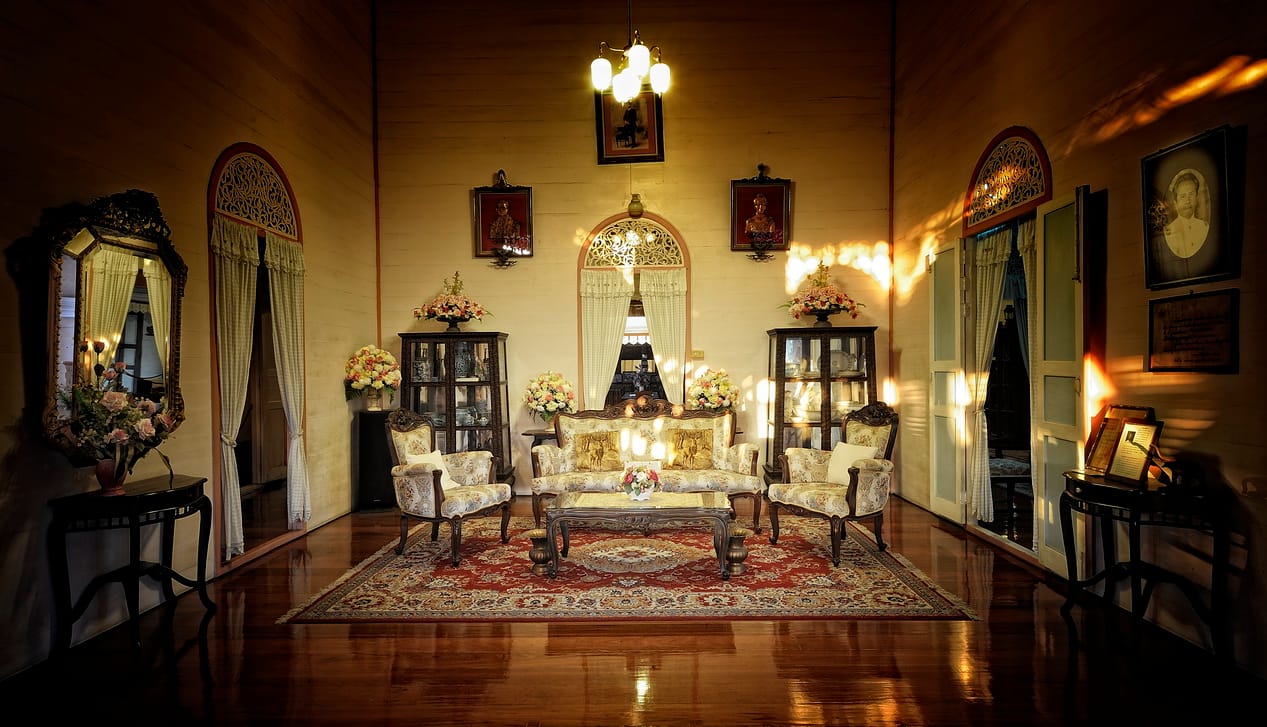
Walk on to Wongburi House, the pink teak mansionOpen daily 09:00–16:00, entry THB 30 for adults, THB 10 for children. It's a two-story teak house over 120 years old, known for the pink gingerbread fretwork running around the building. Inside, the original furnishings and household items are still arranged as they were.
11:30
Stop by Wat Phra Non and Wat Phong Sunan nearbyBoth are within walking distance of Wongburi House — good for a look at the old woodwork and stucco along the way. No need to rush.
12:30
Break for lunch and try khanom jeen nam ngiao at a spot in townNam ngiao is the town's signature dish — a mildly sour broth from dried ngiao (kapok) flowers, eaten with crispy pork rind. There are several places in the old-town area, easy to find on foot.
14:00
Wander the old quarter and photograph the old wooden housesKham Lue Road and the surrounding lanes have rows of old wooden buildings. Take it slow and drop into a café set in one of the old houses along the way.
15:30
Rest at a café in an old wooden house, such as Slope CoffeeSlope Coffee is on Kham Lue Road in the Kad Kong Kao quarter, open daily 08:00–18:00 (later on Saturdays). It's an old wooden house with vintage décor — a nice spot to sip coffee and wind down the afternoon.
Evening
If it's a Saturday night, follow up with Kad Kong KaoPhrae's walking street runs Saturday evenings only, from around 16:00. You walk the old wooden quarter eating local food and picking up souvenirs. If it's not a Saturday, find a northern Thai restaurant in town instead.

Time it well

Khum Chao Luang closes at 16:30 and Wongburi House at 16:00, so both belong in the morning-to-early-afternoon window — don't save them for the evening or you'll arrive after they've shut. Kad Kong Kao runs only on Saturday nights, so if you want to walk that market, line up your first day with a Saturday.

🎟️

Book the activities in your Phrae trip ahead

Booking online ahead on Klook or GetYourGuide is usually cheaper than the gate and skips the queue. Pick only the experiences you actually want — prices and availability are shown live on each site.

🎟️ See all Phrae tours & activities (Klook)

Day 2 — Ban Thung Hong, Home of Mor Hom Indigo

Ban Thung Hong is the village that has made mor hom cloth for generations and is Phrae's main source for it. True mor hom is dyed from the hom plant (a species that gives an indigo color), fermented in jars until it reaches a deep navy. Today is about watching the dyeing, trying your own tie-dye, and picking out something to take home.

Day 2

Try dyeing cloth and shop for souvenirs at Thung Hong

09:30
Drive into Ban Thung Hong on Yantarakitkoson RoadAbout 4 km from town, roughly a 10-minute drive. Both sides of the village road are lined with mor hom shops and several learning centers.
10:00
Visit an indigo-dyeing learning center and try tie-dye yourselfPa Ngiam's center (the Thung Charoen natural-dye mor hom group) runs tie-dye workshops where visitors get hands-on and take home a piece they dyed themselves. It's worth calling ahead to check session times and book before you go.
11:30
Browse the mor hom shops in the village, comparing the real thing with printed clothWell-known shops include Mor Hom Pa Lueang and Mor Hom Wan Phen, among others. Feel the fabric and ask how it's dyed — genuine indigo-dyed cloth has a deep, rich navy and a distinctive smell.
12:30
Have lunch around Thung Hong or head back into townThe village has made-to-order eateries and snack stalls. If you want a proper sit-down meal, town is only a short drive back.
14:00
Shop for souvenirs — mor hom shirts, scarves, tie-dye clothPrices start in the low hundreds of THB for a scarf or a printed shirt, while genuine hand-dyed pieces run higher depending on the pattern. You can bargain politely.
15:30
Wrap up the trip with a café or a temple stop before leavingIf you've still got energy, you can stop at Wat Phra That Cho Hae — the town's guardian stupa — before heading out of Phrae. It's outside town, in a different direction from Thung Hong.

How to spot real mor hom

Genuine indigo-dyed cloth has a deep navy that shades unevenly — never perfectly flat like printed fabric. The inside and outside are close in color, and it often carries a faint hom scent. If you want the real thing, just ask the seller straight out whether it's hom-dyed or printed — most sellers in Thung Hong will tell you honestly.

Things to know before you go

  • Opening days — Khum Chao Luang and Wongburi House are open daily, but go in the morning to early afternoon since they close around 16:00–16:30.
  • Dyeing workshops — many learning centers in Thung Hong run set sessions or require booking ahead. Call to check before you go rather than just turning up.
  • Getting around — old-town spots are walkable, but Thung Hong and Wat Phra That Cho Hae are outside town, so you'll want your own car or a rented motorbike.
  • Cash — many cloth shops and small markets prefer cash, so bring small bills.
  • Kad Kong Kao — Saturday nights only, so if you want to walk it, line up your first day with a Saturday.

Adjust the plan to the time you have

Short trip

Only one day

Combine it into a single day: morning for Khum Chao Luang and Wongburi House in town, afternoon driving out to Thung Hong to watch the dyeing and shop for souvenirs. Skip the longer workshop for now.

Woodwork lovers

Want to go deep on woodwork

Add Ban Prathap Chai (the Hundred-Pillar House), a big teak mansion built entirely on teak pillars, on the other side of town. Great for anyone into wooden architecture.

Family

Traveling with family

The tie-dye workshop at Thung Hong is doable for kids, and everyone takes home a piece of their own. It's a hands-on activity children enjoy and learn from at the same time.

See more places to stay and visit in Phrae

Open the Phrae travel guide →

FAQ

Is there an entry fee for Khum Chao Luang and Wongburi House?

Khum Chao Luang (Phrae City Museum) is free, open daily 08:30–16:30. Wongburi House charges THB 30 for adults and THB 10 for children, open daily 09:00–16:00.

Is Ban Thung Hong far from Phrae town?

Not far — it's about 4 km from the center, along Yantarakitkoson Road (Highway 101, the Phrae–Nan route), roughly a 10-minute drive by car or motorbike.

Can I try dyeing cloth myself at Thung Hong?

Yes. Several learning centers in Thung Hong, such as Pa Ngiam's center, run tie-dye workshops where visitors get hands-on and take home a piece of their own. It's best to call ahead to check session times and book before you go.

How do I tell real mor hom from printed cloth?

Genuine indigo-dyed cloth has a deep navy that shades unevenly rather than perfectly flat, the inside and outside are close in color, and it has a faint hom scent. Printed cloth looks more uniform. If you're unsure, just ask the seller straight out.

How many days is right for this plan?

Two days is just right: the first for the old town and teak houses, the second for Thung Hong to watch the dyeing and shop for souvenirs. If you only have one day you can combine them, but you'll need to cut the longer workshop.

Copyright & Image Takedown Policy

Thailandaddict is created to review and share travel experiences. Where an image is sourced from elsewhere, we credit the source. If you are the copyright owner and prefer that your image not appear on this site, please contact us and we will gladly remove the image or correct the information.