🔄 Updated 21 Jun 2026
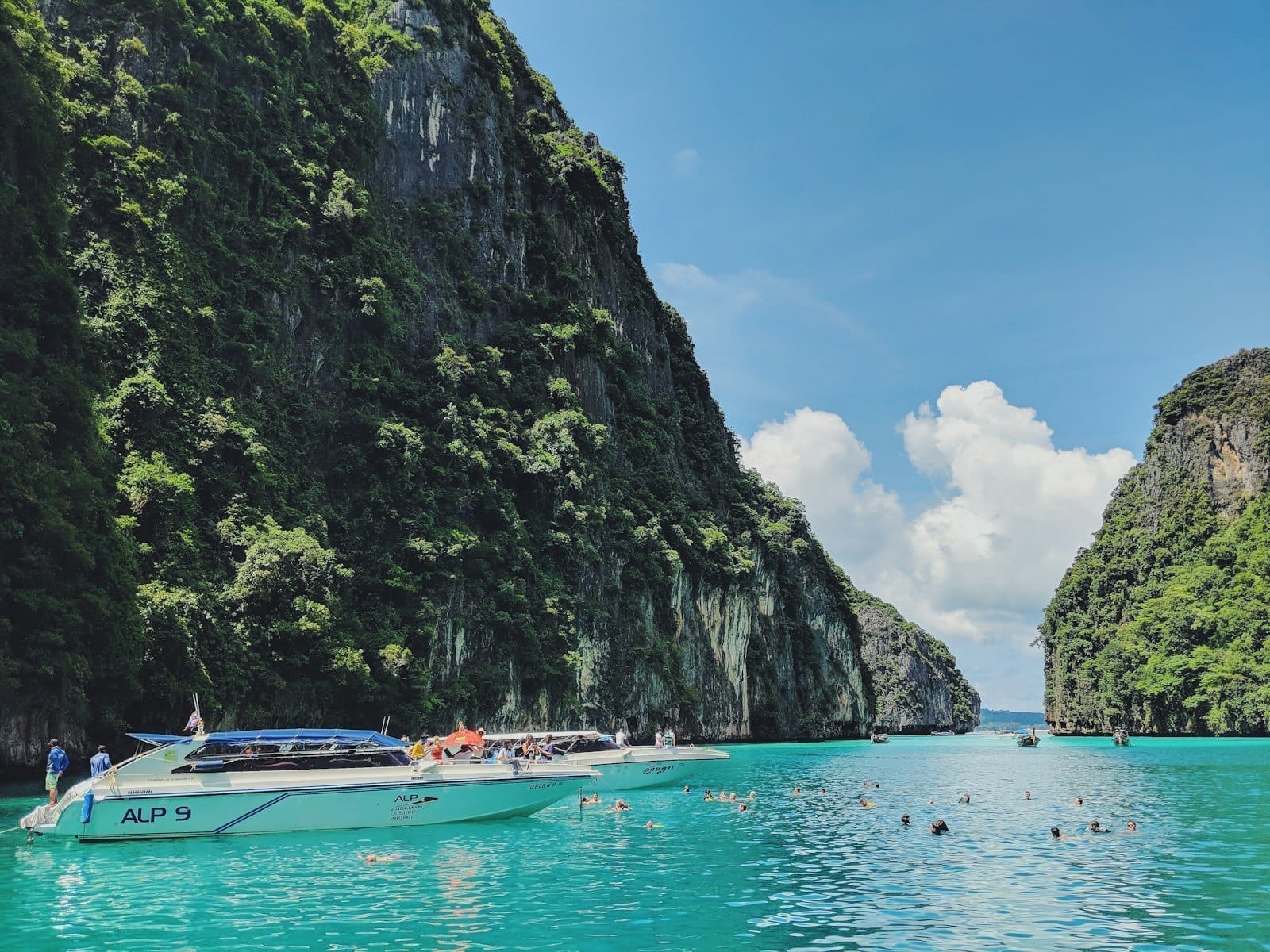
What makes a Ranong–Chumphon trip fun is that it hands you two different worlds within easy reach. Ranong is the Andaman side: heavy rain, green forest, natural hot springs right in town, and islands with clearer water than the Gulf. Chumphon is the Gulf side: a long stretch of coast with sandy beaches, seafood, and robusta coffee. You drive Highway 4 (Phetkasem) over a short hilly stretch and the whole mood changes. This plan front-loads two days in Ranong so you can do the hot springs and Koh Phayam properly, then crosses over on the last day to finish in Chumphon.
Before you set off
Ranong is famous for being the rainiest province in Thailand — locals joke it's eight months of rain and four of sun. The window for clear seas and calm water, ideal for getting out to Koh Phayam, is November to April, with March and April being the driest and flattest. During the monsoon (May to October) boats are cancelled on some days. If you come then, flip the plan and take Koh Phayam on whichever early day the sky opens up, keeping the hot springs and waterfalls — which you can still visit in the rain — as your backup.
The 3-day, 2-night plan at a glance
The idea is to start with the sea and hot springs on the west side, then drive across to finish on the Gulf. Day one is a full day out on Koh Phayam, with your first night either in Ranong town or on the island. Day two covers mainland Ranong — soaking at the Raksawarin hot springs, stopping by a waterfall and Wat Ban Ngao — with your second night back in Ranong town. Day three is an early checkout, a drive over the hills to Chumphon for Sai Ri Beach and the Krom Luang shrine, a Pak Nam seafood lunch, then the trip home from Chumphon, which has both a train station and an airport. This works best if you drive yourself, since public transport between the provinces and out to the sights is limited.
- Day 1 — Full day on Koh Phayam, the Andaman Sea, overnight in Ranong town or on the island
- Day 2 — Mainland Ranong, Raksawarin hot springs, waterfall, Wat Ban Ngao, overnight in Ranong town
- Day 3 — Drive over the hills to Chumphon, Sai Ri Beach, the Krom Luang shrine, Pak Nam seafood, then head home
- Ranong–Chumphon drive — About 120–130 km, roughly 2 to 2.5 hours
Out to Koh Phayam, a full Andaman day
Mainland Ranong: Raksawarin hot springs, a waterfall, and Wat Ban Ngao
Across the peninsula to Chumphon: Sai Ri Beach and Gulf seafood
If it's pouring on your island day
Ranong rains easily, and boats out to the island depend on the swell. If the sky won't clear on day one, swap the mainland day forward instead: soak at the Raksawarin hot springs, walk to Punyaban Waterfall just 10 minutes or so from the airport, or stop by the Por Rang hot mineral springs inside Ngao Waterfall park, which is quieter. Then save Koh Phayam for a day with less swell.
Book the activities in your Ranong trip ahead
Booking online ahead on Klook or GetYourGuide is usually cheaper than the gate and skips the queue. Pick only the experiences you actually want — prices and availability are shown live on each site.
Which hot springs to soak in around Ranong
Ranong is a genuine mineral-water town with several natural hot springs. The easiest and most free option is Raksawarin in the middle of town. It has three pools — the Father, the Mother, and the Child — with water around 65°C and no sulphur in it. If you have time to spare, there are other springs spread around the province to suit your style, from natural soaking pools in the forest to resort onsens you pay extra for.
Raksawarin Hot Springs
Natural hot springs in the middle of town, three pools, water around 65°C, clear with no sulphur smell. Free foot-soaking all day; if you want to soak your whole body, there's an indoor zone that opens in time slots for a fee in the tens of baht.
Por Rang Hot Mineral Springs
Mineral springs inside Ngao Waterfall park, about 10 km from town. The setting is more natural and quieter than Raksawarin — good if you want to dodge the crowds.
Resort onsens
Plenty of resorts in Ranong pipe hot mineral water into the rooms or build private onsen pools. Good if you want to soak in comfort without sharing — you pay extra, but it's private.
Where to eat along the route
This route lets you eat in two styles. The Ranong side carries a mix of Hokkien-Chinese and Burmese influence, with seafood that's fresh and cheap, while Chumphon is Gulf seafood and robusta coffee. The list below is ordered by when you'd likely stop along the trip, not a ranking of which spot beats another. Double-check each place's closing days and opening hours before you go, just to be safe.
Beachfront spot on Koh Phayam
A beachfront restaurant on the island, eating seafood with your feet in the sand and the Andaman Sea in front of you. Prices run a touch higher than the mainland because of the cost of shipping out to the island, but the setting earns it. This is your day-one lunch.
Raan Prung, Ranong
A breakfast spot Ranong locals know well, on Chaloem Phrakiat Road. Dim sum, pork dumplings, steamed buns, stewed-pork-leg rice, pan-fried eggs, and bak kut teh — a day-two opener with a southern-Chinese flavour.
Ranong Hokkien noodles
Yellow noodles stir-fried Hokkien-style, a rounded southern-Chinese flavour that Ranong does well. A good day-two lunch after the hot springs and the waterfall walk.
Somboon Phochana, Ranong
A local seafood restaurant in Ranong town with fresh ingredients, including lobster and Andaman-side seafood. Good for a day-one dinner after getting back from the island.
Suan Lung Worn Cafe
A white glass-house cafe in the forest beside a stream in Ranong, with coffee and bakery and a cool, shady setting. Good for a breather between mainland stops on day two.
Ranong evening market
Wallet-friendly dinner food — savoury, sweet, and fried — that you can graze on for a while. Good for a night when you want to eat cheap and easy near your place.
Tap Lee steamed buns
The well-known snack on the way out of Ranong: steamed buns with generous sweet and savoury fillings. Shops line up around Tap Lee — good to grab for the road as you drive over the hills to Chumphon.
Krua Je Ang, Pak Nam Chumphon
A roadside seafood restaurant on the way to the Krom Luang shrine, with fresh ingredients from the small-scale Gulf fishermen. Plenty of standout dishes — fried fish, sour curry, and spicy salads — making it a good last-day lunch stop.
Mae Mai Seafood, Chumphon
A seafood restaurant along the Chumphon–Pak Nam road with a relaxed setting and a full seafood menu — blue crab, prawns, squid. The kind of place locals bring guests to.
Robusta Station, Chumphon
A cafe on Phetkasem Road in Chumphon using well-selected Chumphon robusta. There are local goods to take home too, from roasted coffee to southern curries. Good for a stop before heading home.
Where to base yourself for this plan
This plan stays mostly two nights in Ranong, since day one is the island and day two is the mainland — both on this side. The last day you drive over to Chumphon and head straight home. If you'd rather split a night in Chumphon, you can stretch it to four days. Pick your zone based on where you need to be the next morning, and you'll save a lot of early-morning driving.
First night, Ranong town
Close to the Koh Phayam pier and the Raksawarin hot springs. Some places have their own mineral onsen pools, good for a soak before bed after getting back from the island, and an easy start to the mainland day.
On Koh Phayam
If you really want the sea to the full, stay on the island your first night. Wake up to quiet beaches and watch the sunrise before heading back to the mainland. Good if you have time to spare and aren't in a rush.
Last night, Chumphon town
If you don't want a long drive home in one day, stay a night in Chumphon, near the market and the robusta cafes, then leave from the Chumphon train station or airport the next morning.
Getting around and what to pack
A cross-province trip like this works best by self-drive, since public transport between Ranong and Chumphon and out to the sights is limited. If you're not driving in, you can fly or take a coach into Ranong and rent a car. For Koh Phayam, park at the Ranong pier and take the boat, then rent a motorbike on the island, since no cars run there. The trip home from Chumphon is easier, with both the southern rail line and an airport.
- Car rental — easiest for a cross-province plan; leave extra time for the curves on the Highway 4 hill stretch
- For the island — swimwear, sunscreen, a waterproof phone pouch, and seasickness pills
- For the hot springs — clothes you don't mind getting wet, a towel, and easy slip-off sandals
- Rain jacket — Ranong rains easily even outside the monsoon; carrying one is reassuring
- Cash — local shops, boat tours, and many places on the island take cash first
Want a Ranong-only plan before crossing to Chumphon?
See the Ranong travel guide →