🔄 Updated 21 Jun 2026
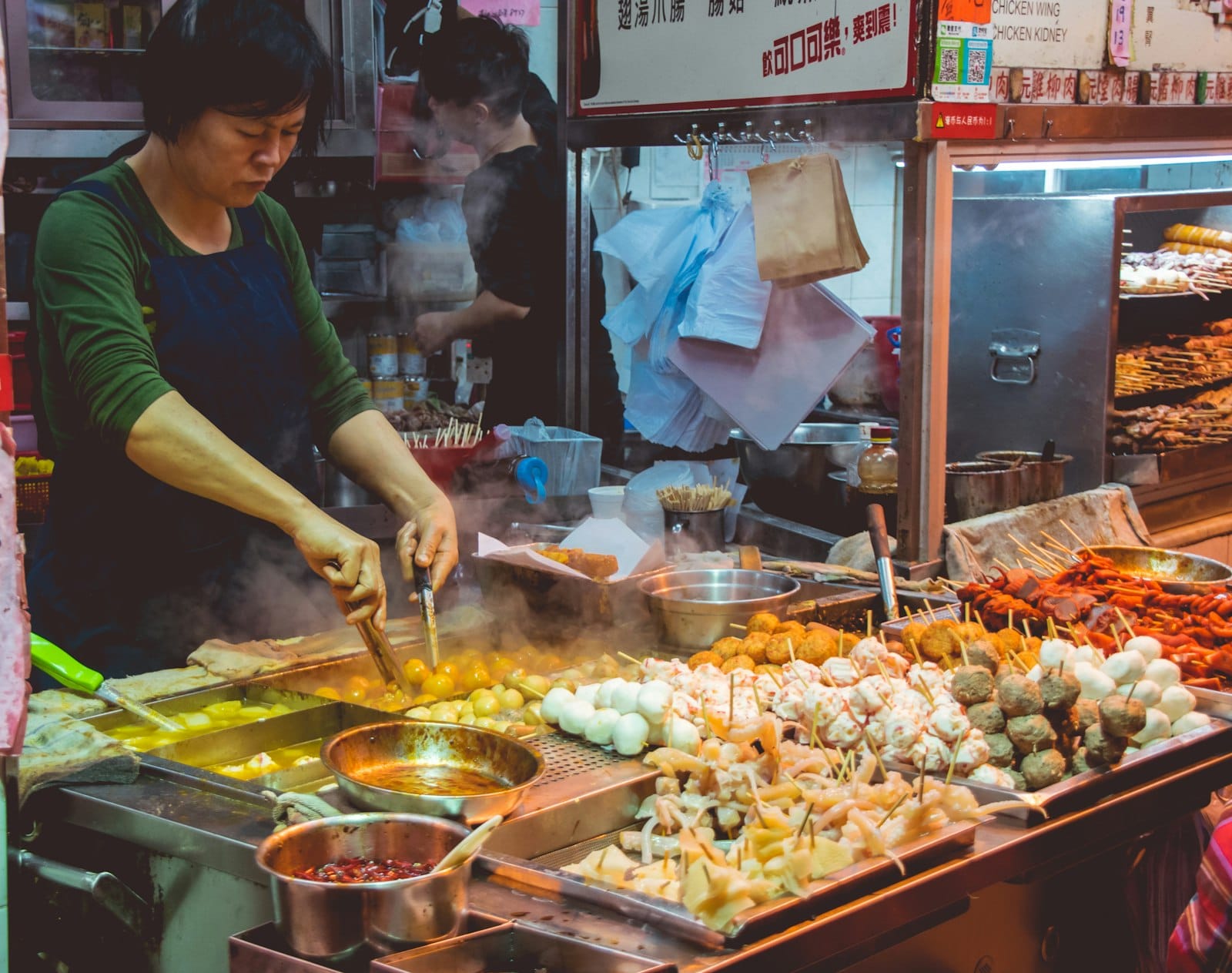
What's great about Sakon Nakhon at night is that you don't have to go far. The evening markets are spread around town within walking distance of each other, and the food blends two cultures in one place. On the Isan side you get grilled chicken, som tam, larb, jaew hon, and koi. On the Vietnamese side, Sakon has had a long-established community going back generations, so you'll find mu yo, naem nueang, Vietnamese pakmo rolls, and cha yo at the stalls as if they were local staples. We've ordered this list the way Sakon locals actually walk and eat, and the way reviews tend to talk about it — that doesn't mean the markets near the bottom aren't good. Each one stands out in its own way. Read the opening times and the highlights first, then pick based on which night you're going.
On timing and cash: most evening markets pick up around 3 to 4 pm and are busiest in the early evening, 5 to 8 pm. The popular dishes sell out fast, so if you want the full spread, get there before dark. Almost all the stalls take cash. Some have PromptPay, but not every shop, so bring enough small bills. The prices below are rough figures per skewer or per plate, and they may shift with ingredient costs and the festival season.
The Sakon Nakhon evening and town markets locals walk and eat at
To Charoen Si Night Market
The downtown evening market that comes to mind first when Sakon locals talk about eating out at night. Come evening, stalls fill the market building and spill out onto the surrounding streets — half of it food, half secondhand clothes, toys, and odds and ends. The food runs from grilled pork, Hat Yai fried chicken, sticky rice with grilled chicken, and bagged curries to desserts and fresh orange juice. One loop and you've covered savory, sweet, and a bit of browsing. It's the easiest place to start your first night of eating.
Somkiat Market – Municipal Market (Khu Mueang Rd, across from MJ Hotel)
A cluster of food stalls and shops on Khu Mueang Road, across from MJ Hotel — the area where locals stop to grab dinner ingredients to take home and snack along the way. You'll find fresh produce for cooking alongside ready-to-eat dishes like grilled chicken, som tam, larb, koi, fried mu yo, and various fritters. The central-town location is an easy walk from in-town hotels, ideal if you're staying nearby and want dinner without driving anywhere. It's a real local market, not a tourist one.
Sakon Nakhon Municipal Fresh Market (Bypass Market)
The city's big fresh market, opening around 2 pm with the most on sale in the evening. This is where you go to see genuine Isan food that hasn't been toned down for tourists. There's local greens, seasonal wild mushrooms, fish from Nong Han, fried insects, seasonal red ant eggs, plus ready-to-eat dishes like mok, larb, koi, and jaew bong. Even just browsing is fun, because a lot of the ingredients you won't find in other cities. If you like photographing unusual food and want to understand what Sakon people really eat, this place has all the answers.
Sakon Nakhon Walking Street (by Wat Phra That Choeng Chum)
The walking street right next to Wat Phra That Choeng Chum downtown. It's known for hand-dyed indigo cloth, woven textiles, and basketry made by local artisans. You can stroll it in the evening, shop for souvenirs, and eat as you go, with local food stalls and snacks mixed in. It suits a night when you want the feel of an evening walk more than full-on eating. Pay respects at Wat Phra That Choeng Chum in the early evening, then carry on into the walking street right beside it — it pulls together Sakon's souvenirs and the old-town atmosphere in one spot.
Nong Han Lakeside Market, Ban Tha Wat (Lao Po Daeng)
A waterside market at Ban Tha Wat in Lao Po Daeng subdistrict, on Nong Han — the largest freshwater lake in Isan. It stands out for food straight from the lake: fresh freshwater fish, grilled fish, soured fish, plus an evening water view you won't get at the downtown markets. It's worth driving out to sit and catch the breeze when the sun softens, photograph the sunset over Nong Han, and then have dinner by the water. It's a night that gives you both local food and atmosphere, unlike the in-town markets focused on walking and eating. Check the open days first, since some periods lean toward weekends.
Ban That Market (Ban That Choeng Chum)
A market in the Ban That area that Sakon locals know as a one-stop spot for a lot of good food. There's local fare, fritters, sweets, and plenty of ready-to-eat dishes to choose from. It's a local market, not built for tourists, so the prices are friendly. It's good for grabbing food to take back to your stay, or for snacking from late afternoon into the evening. If you're staying around That Choeng Chum, it's an easy walk. It's another spot to see how Sakon people really eat, no frills.
Evening market near Bus Terminal 2
An evening market near Bus Terminal 2 that mixes food stalls with secondhand clothes, toys, and pop-up beauty stands. The food covers popular Isan dishes and seasonal oddities like red ant eggs. It's handy if you've just stepped off a bus or are staying near the terminal and want food close by — browse for cheap finds and eat as you go. It's a market for people going about their lives more than one for photos, and it gets lively in the early evening.
Suk Kasem Road food strip (noodle & stir-fry zone)
A food area on Suk Kasem Road where, from early evening on, you get fish-ball noodle shops, dumplings, stir-fries, and proper sit-down restaurants. Nearby there are budget steak spots to switch up a meal. It's a zone for a night when you'd rather sit at a table than eat standing in a market. The central-town location is near the That Choeng Chum area and the famous Vietnamese spot Willy Naem Nueang, so you can carry on for dessert or pick up mu yo to take home along the same stretch. Good for an easy end to the evening.
Garlic pork noodles by the clock tower (late-night)
A long-running pork noodle stall in the clock tower area that opens around 9 pm and runs until it sells out at dawn. It's a place Sakon people have eaten at for years, to the point that it's become a late-night landmark. It's known for its fragrant garlic broth, tender red pork, and noodles with just the right chew. Good for a night when you've been out late and got hungry after the markets wound down, or for late eaters who want a hot bowl before heading back. Easy on the wallet, plain roadside-stall seating — but the flavor is the reason people wait.
Mu yo & naem nueang stalls in the evening markets (takeaway)
What sets Sakon's evening markets apart from other towns is that you can find mu yo and naem nueang at the stalls like they're local staples. Many vendors fry mu yo hot and sell it by the skewer to eat as you walk, and pack naem nueang sets or banana-leaf-wrapped mu yo with dipping sauce for you to carry home. Mu yo keeps for several days, so it makes a good souvenir to close out the trip. Stop by these stalls while you're walking To Charoen Si or Somkiat market. Ask the vendor how to store it and re-fry it before eating.
Tips for making the most of Sakon's evening markets
Go before dark — popular items like grilled chicken, grilled pork, and fried mu yo tend to sell out fast in the early evening, so if you've got your eye on the standout dishes, aim to arrive around 5 pm. Bring cash and small bills: most stalls can't break big notes and not all of them have PromptPay. Eat in a sharing style — order a little of many things so you can try the full range without filling up too soon. If you want fresh Nong Han fish, head out to the Ban Tha Wat lakeside market when the sun softens, but check the open days first, since some periods lean toward weekends. And for late-night cravings after the markets wind down, the clock tower noodle stall runs all the way to dawn.
Want to taste deeper? Try a Sakon Nakhon food tour or cooking class
Half a day with a local who knows the lanes — or cooking a dish yourself — teaches you more than just eating. Book ahead on Klook or GetYourGuide.
Three different evenings of eating
If you're staying in Sakon a few nights, here's a route for evening eating that never repeats a market. Each night sticks to one zone you can walk through, and you can shift the timing to fit the lakeside market's open days as you like.
Downtown markets — easy start, covers it all
Nong Han lakeside — water views, fresh fish, sunset
Temple & walking street — indigo cloth souvenirs
What to try at Sakon Nakhon's evening markets
- Fried mu yo — a dense pork sausage wrapped in banana leaf, steamed and then fried hot, sold by the skewer at the stalls. Eat it as you walk. It's a local staple of Sakon that's easy to find at the markets.
- Naem nueang — seasoned ground pork grilled and shaped, wrapped in rice paper with fresh herbs, green banana, and rice crackers, dipped in a thick peanut sauce. Some stalls pack it as a takeaway set.
- Grilled chicken, som tam & sticky rice — the classic Isan trio every evening market has. Pounded fresh in a stone mortar, as spicy as you ask, eaten with fragrant grilled chicken.
- Larb, koi & jaew bong — genuine ready-to-eat Isan dishes you can bag and take back to your stay. Jaew bong is a fermented-fish chili dip that goes with sticky rice.
- Grilled fish & soured fish from Nong Han — best at the Ban Tha Wat lakeside market, with fresh freshwater fish from Nong Han that's hard to find in other cities.
- Fried insects & red ant eggs (seasonal) — the unusual finds at the Bypass fresh market, for anyone who wants to try the real local fare. Available in season.
Pick a market by the kind of night you want
Want to eat it all in one spot
To Charoen Si market downtown — one loop covers savory, sweet, and secondhand goods. The easiest place to start your first night.
Want a waterside atmosphere
The Nong Han lakeside market at Ban Tha Wat — fresh fish and a sunset view. Check the open days first, since it leans toward weekends.
Want indigo cloth souvenirs
The walking street by Wat Phra That Choeng Chum — hand-dyed indigo cloth, basketry, and local food mixed in. An easy evening stroll.
Plan a full trip of eating and exploring Sakon Nakhon
See the Sakon Nakhon travel guide →