🔄 Updated 21 Jun 2026
The Surin Islands are made up of two main islands that sit extremely close together — North Surin (Koh Surin Nuea) and South Surin (Koh Surin Tai), only about 200 meters apart — plus a handful of smaller islands around them like Koh Ri, Koh Khai, and Koh Klang. The park headquarters and the overnight camping area are on North Surin, while the Moken village is on South Surin. The real draw here is how clear the water is and how shallow the coral sits — even weak swimmers can float over and watch the fish without any trouble.
Snorkeling — Where to Go
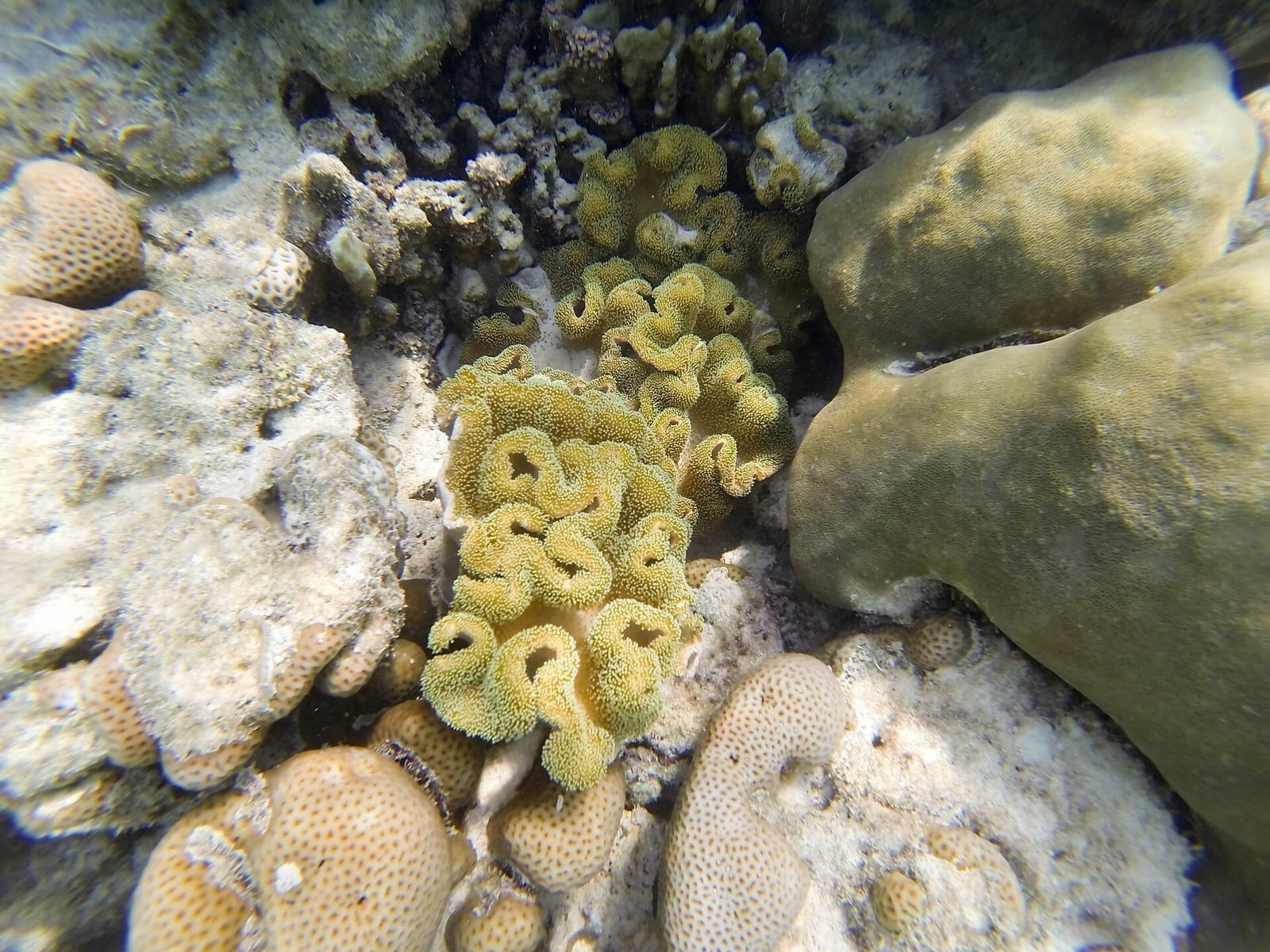
Plenty of people rate the Surin Islands as some of the best snorkeling in the Andaman, and it's easy to see why: the water is shallow and clear, several kinds of hard coral sit right near the surface, and you'll spot clownfish, parrotfish, and butterflyfish — with a real chance of floating quietly over a sea turtle too. The park's snorkeling tours run around 200 THB for a two-hour round, or you can charter a longtail boat for roughly 2,000 THB for a half day and around 4,000 THB for a full day.
Ao Mai Ngam
A shallow, calm-water bay where the coral starts right at the shoreline. Many people call it the most beginner-friendly snorkeling bay in the archipelago — you can wade straight in from the beach instead of taking a boat out.
Ao Suthep
Has an underwater nature trail, with dense coral and lots of fish. The water is a touch deeper than Ao Mai Ngam, so it suits people who are already comfortable floating around.
Ao Jaak
A long white-sand beach with a pretty reef along the bay. It's a favorite stop on day trips because the water is clear and the photos come out great.
Ao Chong Khad
The white-sand beach in front of the park headquarters, where the boats dock and where the early-season campground is set up. You can get straight in for a swim and a look at the shallow coral.
Ao Tao
Just as the name (Turtle Bay) suggests, there's a chance of spotting sea turtles here. It's on the southeast side, where you'll find the coral and seagrass that turtles like to feed on.
Ao Pak Kad
A rocky bay on the south side, deeper than the other spots, with a range of coral and fish. Good for confident snorkelers who want to follow a continuous stretch of reef.
About the Tides
The coral here sits very shallow, so at low tide be careful not to kick or stand on it — you'll hurt yourself and damage the reef. Wear a life vest and float quietly instead. And don't touch or take any coral or shells home — that's a national park rule, and it's strictly enforced.
Want more out of Phang Nga? Book tours & activities
Booking online ahead on Klook or GetYourGuide is usually cheaper than the gate and skips the queue. Pick only the experiences you actually want — prices and availability are shown live on each site.
The Moken Village at Ao Bon
The Moken are an indigenous sea people who have lived with the Andaman Sea for generations. The village is at Ao Bon on the South Surin side and is home to around 300-plus residents. The community was rebuilt at this spot after the 2004 tsunami. Most tours stop here so you can walk around and see daily life — the stilt houses and the kabang (the Moken's hand-carved wooden boats) — and a few villagers sell small handmade souvenirs.
- Respect that this is a real home — people actually live here; it's not a staged village. Ask before photographing anyone, especially children.
- Support the handicrafts — buying souvenirs directly from villagers is a more direct way to help the community.
- Don't hand sweets or money straight to children — many travel sources advise against it, because it affects behavior over the long term.
- The stop is short — most tours give you about 30–45 minutes to walk around before moving on to a snorkeling spot.
Staying Overnight — Tent or Bungalow
The charm of the Surin Islands is that you can stay overnight in the park, which means you get to see the islands in the morning before the day-trip boats arrive. Nights are quiet and the sky fills with stars. There are two main types of accommodation, tents and bungalows, booked in advance through the National Parks system — in high season the spots fill up fast.
Park Tent for 2
A park-issued tent with a pitching spot near the beach. A bedding set (sleeping bag, pillow, mat) costs about 60 THB extra per person. It's the most popular and best-value option.
Park Tent for 3
A larger tent for a small group or a family, which brings the per-person cost down. A good pick if there are a few of you.
Bring Your Own Tent
You can bring your own tent and just pay a pitching fee of about 80 THB a night. It's the cheapest option for backpackers, but you'll need to bring all your own gear.
Park Bungalow for 2
A park bungalow for anyone who'd rather sleep more comfortably than in a tent. There are only a few, and they book out very fast in high season.
Park Bungalow for 4
A larger bungalow for a group or family, which lowers the per-person cost — though these are in high demand too.
The Campground Moves with the Season
There are two campgrounds that open at different times of the year. Ao Chong Khad opens in the early season (roughly mid-October to late November), and Ao Mai Ngam opens after that through the end of the season. Check with the park before booking to find out which one is in use during your dates.
As for food on the island, there's a park restaurant where you can order meals, starting at around 120–280 THB a dish, with fruit smoothies around 120 THB. Prices on the island run higher than on the mainland — that's normal, since everything has to be shipped over by boat. Bring enough cash, because there's almost no phone signal and no ATM.
How to Get There
The main departure point is Kuraburi Pier, about 12 kilometers west of Kuraburi town. The speedboat takes roughly an hour to reach the islands (around 45 minutes to an hour depending on the swell). Most boats leave the mainland in the morning, around 9am, with return runs from the islands in the afternoon. Anyone coming from Phuket or Khao Lak usually books a tour that includes transfer to Kuraburi Pier.
Day Trip
Speedboat out in the morning, back in the evening, with snorkeling at 2–3 spots and a stop at the Moken village. Good if you're short on time, but it's a long boat ride both ways in a single day.
2 Days, 1 Night
Stay one night in a tent or bungalow and see the islands quiet in the morning before the tours arrive. Many people say this is the most worthwhile way to make the trip.
3 Days, 2 Nights
Plenty of time for snorkeling at several spots and proper downtime. Ideal for keen snorkelers who want to cover all the bays.
Pack Smart
There are no convenience stores on the island, so bring reef-safe sunscreen, a UV rash guard for snorkeling, any personal medication, and cash. Charging outlets are limited and power runs only at set times, so bring a power bank too.
When to Go
Surin Islands National Park closes during the monsoon, roughly mid-May to late October each year, and is open for visitors from about mid-October to mid-May. The best weather and sea conditions are from November to April — clear water, light swell, and the best time for snorkeling. Before you plan, double-check that year's opening and closing dates with the National Parks department, since the dates can shift with the weather.
- Park entry for foreigners — about 500 THB for adults and 300 THB for children, paid once no matter how many days you stay (Thai nationals pay less).
- Book accommodation ahead — through the National Parks online booking system; in high season tents and bungalows fill up very fast.
- Bring your ID or passport — you'll need it to register on entry and to book accommodation.
- Avoid long holidays — New Year and Songkran are the busiest and hardest times to book.
Plan a complete Phang Nga trip — islands, sea, and the food too.
See the Phang Nga travel guide →