🔄 Updated 21 Jun 2026
Thung Si Mueang sits on Uparat Road in the Nai Mueang sub-district of Mueang Ubon Ratchathani, across from the Ubon Ratchathani National Museum, which used to be the old provincial hall. It's been the heart of the city for as long as anyone can remember. It was once rice paddy known as Na Thung Si Mueang, later cleared into an open ground and public park, and today it holds about 35 rai of big shade trees, walking paths, open lawns and fields that locals use every day.
What makes it work is that it isn't a place you visit just to grab a photo and leave — it's a space Ubon people actually use day to day. Morning brings walkers and runners; evenings bring football, yoga and kids running around, with food carts setting up around the edge. If you want to see the rhythm of life in Ubon with nothing dressed up for tourists, sitting at Thung Si Mueang from around 5pm into the evening is the answer.
What you'll find at Thung Si Mueang
Thung Si Mueang packs a lot into one ground — places to pay respects, places to walk, and the space where the big festivals happen. A full loop doesn't take long, so it's an easy stop to slot in between the in-town temples and a meal.
- Ubon Ratchathani City Pillar Shrine — built in 1972, a place of worship for locals and visitors alike. Many people treat it as the first stop to pay respects before starting an Ubon trip.
- Monument to Phra Pathum Worarat Suriyawong (Chao Kham Phong) — the city's first ruler and founder of Ubon, standing prominently in the grounds. It tells the city's origin story in a single frame.
- Exercise grounds — walking-and-running paths around the park, grass fields and open space where locals come to play sport every morning and evening.
- Festival grounds — the main stage for the Candle Festival, the Red Cross fair and the province's big festivals through the year.
- Food around the park — in the evening, carts and stalls set up along the edge, easy to sit, snack and watch people stroll by.
Best time to come
Midday in Ubon is harsh sun and the ground is fairly open, so it's hot walking. Thung Si Mueang is most alive in the evening, from about 5pm into the night — the breeze turns cooler, locals drift out to exercise, and the food stalls open. If you come during the start of Buddhist Lent in early July, you'll see the carved wax candle floats on display here.
Want more out of Ubon Ratchathani? Book tours & activities
Booking online ahead on Klook or GetYourGuide is usually cheaper than the gate and skips the queue. Pick only the experiences you actually want — prices and availability are shown live on each site.
The main ground for the Candle Festival
Ubon is known nationwide for its Candle Festival, and Thung Si Mueang is the heart of it. Every year around Asalha Bucha and the start of Buddhist Lent, roughly early July, the province brings intricately carved wax candle floats from different temples to display around the park before the procession winds through the city centre. During that stretch Thung Si Mueang and the surrounding streets become a night candle-viewing ground, with stages, lights and crowds throughout the event.
The festival has two schools of craft that people like to compare — the moulded-and-applied style (wax cast into patterns then stuck on) and the carved style (cut straight into the body of the candle). Most of the designs draw on the life of the Buddha and Isan-Thai motifs. If you're into the craftsmanship, getting up close while the floats are on display before the actual procession day lets you see far more detail, since the parade itself is packed and the floats move quickly.
If you're coming specifically for the Candle Festival
The festival falls during Buddhist Lent, which shifts every year with the lunar calendar, so check the exact dates with the provincial page or TAT Ubon before you book flights and a room. Rooms in town fill fast and prices climb during the festival, so book several weeks ahead. If you want a clear look at the floats without the crush, go on the display day before the procession — it's far easier.
Where to go next from Thung Si Mueang
The handy thing about Thung Si Mueang is that it's right in the middle of town, ringed by old temples, the museum and well-known food. You can make a half-day of walking around the city with barely any driving.
Ubon Ratchathani National Museum
Right beside Thung Si Mueang in the old provincial hall, telling the story of southern Isan — from archaeology and carved boundary stones to woven textiles. Closed Mondays and Tuesdays.
Wat Thung Si Mueang
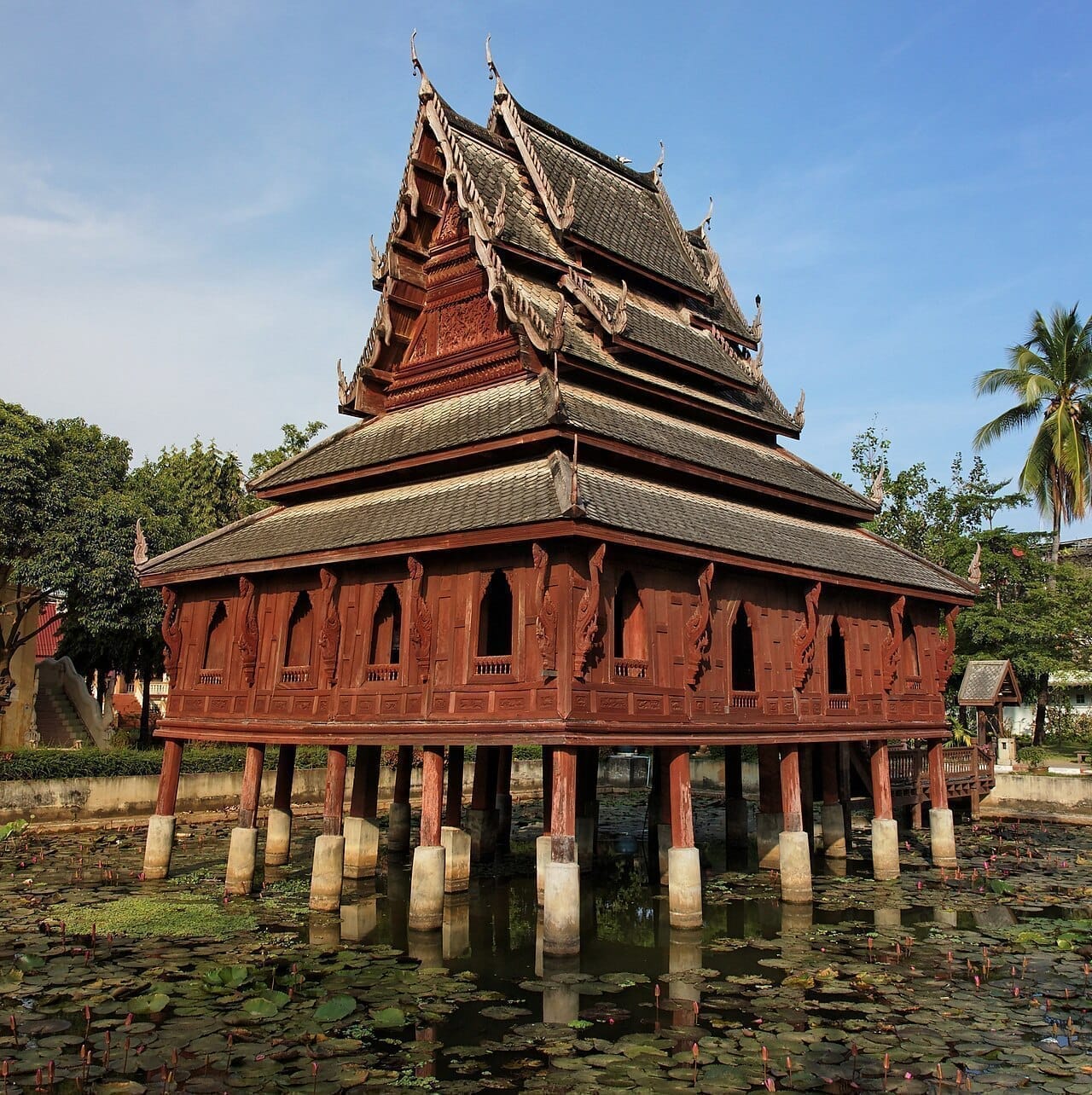
An old temple near the park whose highlight is a scripture hall built entirely of wood over a pond, blending Thai, Burmese and Lao styles. Walkable from the park.
Wat Phra That Nong Bua
A large white Bodh Gaya-style stupa in town that photographs well, a few minutes' drive from the park.
Food in town
Vietnamese kuai chap, mu yo (Vietnamese pork sausage) and tasty Vietnamese dishes are easy to find around the city. Finish at an evening market for relaxed grazing.
Half a day in Ubon, starting from Thung Si Mueang
If you've only got half a day in town before heading out to nature around Khong Chiam, try these two windows. Walk in the morning or the evening depending on the sun.
Temples and museum around the park
Strolling and food at the park
Getting to Thung Si Mueang
Thung Si Mueang is right in the middle of town, so a Grab or a local tuk-tuk is easy. If you're staying at a hotel in the central area you can mostly walk. There's street parking around the park, but it gets harder to find on evenings and festival days when crowds are heavy — leave extra time, or park and walk.
Want a full day-by-day plan for Ubon
See the Ubon travel guide →