🔄 Last checked 28 Jun 2026 · details and hours can change — check the venue before you go
📍 All restaurants on the map
Tap a pin for the spot + nearby stays
The charm of Nong Bua Lamphu is quiet, easy travel with a good range of standout spots to choose from. Several of them cluster around town at the foot of the Phu Phan range — like Wat Tham Klong Phen, the vipassana forest temple of Luang Pu Khao Analayo, with its garden of strangely shaped rocks, an ancient drum cave, and a wax-figure museum to walk through. Nearby is the 150-Million-Year Shell Fossil Museum, displaying fossils and dinosaur-era remains. In the town centre sits Nong Bua Public Park, a lakeside park where people come to walk and cycle around the water in the evening, with the revered San Somdet Phra Naresuan Maharat shrine in the same grounds. Further out toward Suwannakuha district there's Wat Tham Suwannakuha, a temple set in a limestone cave with a Lan Xang principal Buddha and old stone inscriptions for history buffs to stop by. If you're into nature and views, drive out to venerate the Buddha inside Tham Erawan — reached by a winding stair up to the cave mouth — or head to Phu Kao–Phu Phan Kham National Park and the Chong Khao Khat viewpoint, which looks down over the wide expanse of Ubolratana Reservoir. You can string together spiritual, nature, and history itineraries all in one trip.
This list holds the pins you shouldn't skip once you're in Nong Bua Lamphu. There's Tham Erawan at Wat Tham Erawan, a limestone cave on a hill you reach by climbing a winding stair of more than 600 steps to venerate the large Phra Phuttha Chaisi Maha Muni image inside — with a town view up top as your reward. There's Wat Tham Klong Phen, the memorial to Luang Pu Khao Analayo, a meditation-lineage master revered across Isan, with his personal effects and a wax figure of him to pay respects to. And there's Phu Kao–Phu Phan Kham National Park with its nine hills, caves, waterfalls, and a panoramic viewpoint above Ubolratana Dam, plus traces of ancient rock paintings on the stone. For a farm outing there's PC Cowboy Town, a cowboy-style ranch with shows, horse riding, ziplining, and alpacas and pygmy goats for the kids. Scroll through the details for each spot and map out your own route.
Tham Erawan (Wat Tham Erawan)

Tham Erawan — which locals casually call 'Tham Chang' (Elephant Cave) — is one of Nong Bua Lamphu's top landmarks. The cave hides on a large limestone hill that, from a distance, looks like a crouching elephant. It sits beside Highway 210 near the Na Wang district boundary, and even driving past you can see the elephant figure and the naga serpents flanking the stair from far off. This place suits anyone who wants merit and a challenge in one, because reaching the cave mouth means climbing a winding stair of more than 600 steps (several reviews count 621). Those with strong legs will enjoy it, and everyone else can take it slowly — there are rest points along the way.
The unmissable highlight is Phra Phuttha Chaisi Maha Muni Si Loknat, a large Maravijaya-posture Buddha enshrined in the middle of the wide, open cave mouth — a revered image dear to the people of Nong Bua Lamphu. Walk further in and you'll reach limestone chambers divided room by room, full of stalactites, stalagmites, and oddly shaped rock formations, especially the 'kneeling elephant king' rock tied to the Nang Phom Hom legend. Another corner many people love is standing at the cave mouth and looking out over rice fields and the town below as far as the eye can see. Most reviews agree: tiring, but worth it — the view is superb.
Costs are easy on the wallet: entry is free, with only a donation box for the faithful. Open daily 08:30–16:30. Come in the morning, when the air is cooler and the sun is gentler — the stair climb is much more comfortable. Good to know: wear sneakers or shoes with grip, carry water, and note that bats live in the cave; some sections underfoot can be slippery and a little dark even though lights run the whole way. Small children and elderly visitors who can't manage the climb might enjoy the view from below instead. For anyone who conquers every step, you get merit, a view, and a workout all at once — a spot no one passing through Nong Bua Lamphu should skip.
Wat Tham Klong Phen (Luang Pu Khao Analayo Memorial)
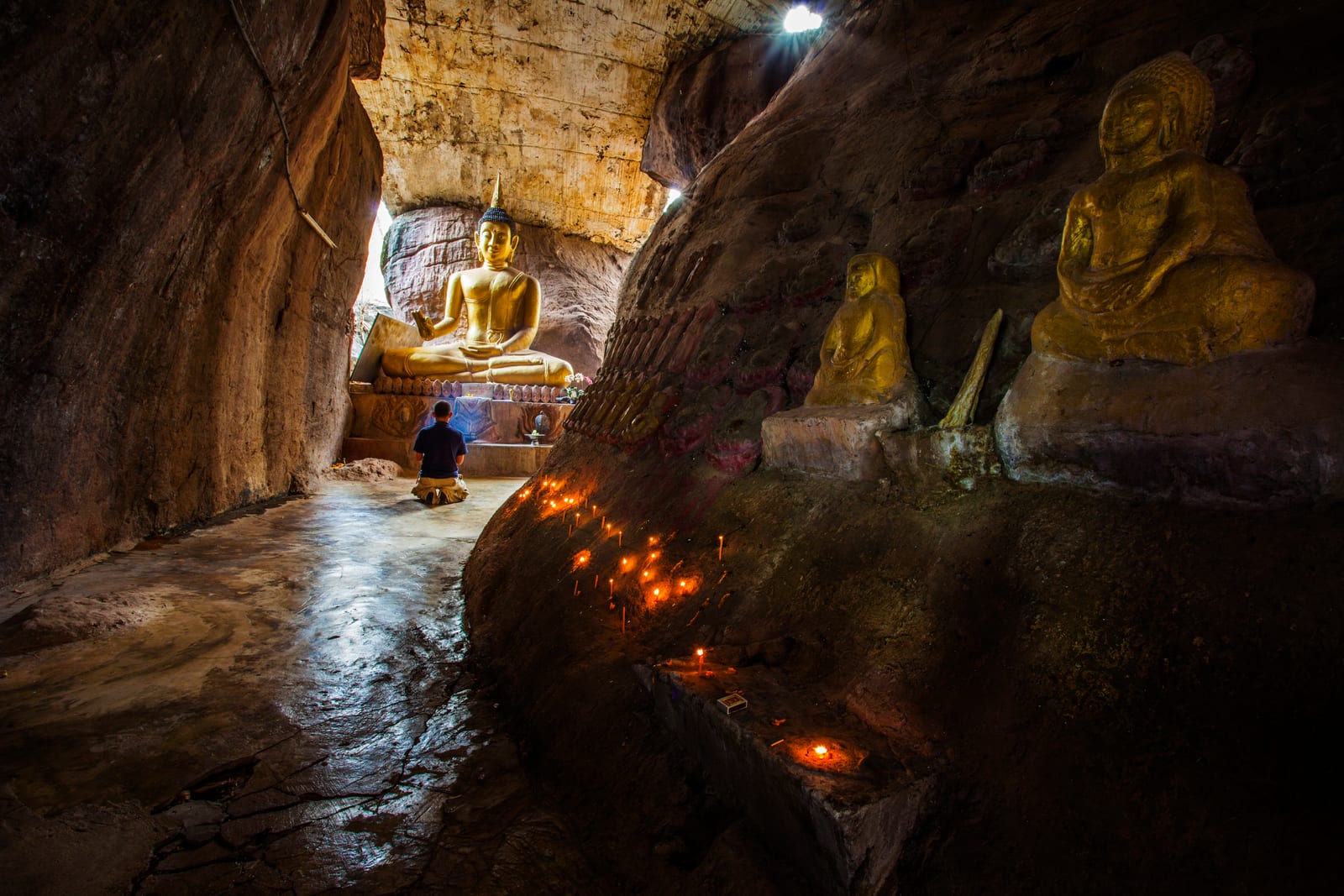
Wat Tham Klong Phen is a vipassana forest temple where Luang Pu Khao Analayo — a disciple in the lineage of Luang Pu Man Phurithatto — spent the final years of his life. It sits at the foot of the Phu Phan range in Mueang Nong Bua Lamphu district, and it suits anyone looking for a quiet place to venerate the Buddha, make merit, and walk among nature at the same time. The temple grounds are shaded and lush, thick with large trees and dotted throughout with boulders and rock formations of unusual shapes — which is how it earned its reputation as the rock-garden temple of Nong Bua Lamphu.
The highlight many visitors say you shouldn't miss is the museum of Luang Pu Khao's personal effects. The building is designed as three boulders set in a row to blend with the rock garden around it; inside sits a wax figure of Luang Pu Khao in a seated posture, along with his monastic effects and belongings to pay respects to. Another spot is the cave that gives the temple its name, where an ancient two-headed drum is kept, along with a walking-posture Buddha carved into the rock.
The temple is free to enter, with no admission charge. It opens around 08:00–17:00 daily. It's a very large temple, and genuine reviews in travel-guide circles note that you can drive in, parking is convenient, the walking is not far, and it's uncrowded — so you can wander around quietly and comfortably. It sits about 13 km from town along Highway 210 (Udon Thani–Nong Bua Lamphu), then a further 2 km turn-off.
The temple is popular both as a sacred site where people who revere Luang Pu Khao come to pay respects, and as a rare natural rock garden. Good to know: this is a genuine forest temple with a wide area, and some buildings show their age. Dress modestly, bring an umbrella or hat for walking in the sun, and if you want to see every corner, allow a little extra time.
150-Million-Year Shell Fossil Museum
If you're driving through Nong Bua Lamphu with young kids in the car, the 150-Million-Year Shell Fossil Museum is a very tidy stop. This is a site museum built over the actual fossil-discovery point. The story goes back to 1994, when villagers found rocks shaped like shells scattered all over an abandoned quarry; they were later confirmed as roughly 150-million-year-old bivalve shell fossils, and the remains of a T. rex ancestor were found in the same area — turning it into a rare prehistoric learning site in upper Isan. It suits families, dinosaur-loving kids, and anyone interested in geology.
The highlight that reviews mention again and again is the T. rex in the air-conditioned room that moves and roars convincingly — the whole room of kids gets excited. The displays are divided into six zones, running from a welcome zone that presents the 'Non Than dinosaur family', through a journey-through-the-cosmos zone, the origin-of-life zone, the realm-of-predators zone, and finally a following-the-predators zone. Don't miss the rock layer with shell fossils still embedded in their original position, and the open-air dinosaur yard with big models to have fun photographing.
The budget is very easy: adult entry 20 baht, students 10 baht, foreigners 50 baht, with free parking. Open daily except Mondays, 08:30–16:30. It sits at Ban Huai Duea, Tambon Non Than, about 25 km north of town on the Nong Bua Lamphu–Udon Thani road — an easy drive, with only a short walk from the car park into the building.
Good to know from genuine reviews: the display building is fairly small, and you can walk the whole thing in about half an hour to an hour. Some people wish there were more interactive points, but at a fee in the tens of baht and the novelty of the real fossils, it's a worthwhile stop — better as a break along the way than a full-day destination. If you come in the hot season, the dinosaur room is cool enough to sit and rest in too.
Nong Bua Public Park (Town-Centre Lake)
Nong Bua Public Park is a large lake in the centre of Nong Bua Lamphu, right in front of the Mueang district office — the green lung and living room of the whole province. If you're visiting Nong Bua Lamphu and want to see how locals really live, this is a fine place, because morning and evening it fills with people walking, running, and cycling around the water; some corners hold aerobics classes, others are just people sitting by the water. The mood is easy — no need to dress up, nothing to pay.
The highlight many people mention is the sunset behind the lake, with the Phu Phan Kham ridge stretching across as a backdrop; when the sky changes colour it turns beautiful enough that people come regularly to sit and photograph it. Another spot not to miss is the San Somdet Phra Naresuan Maharat shrine and Naresuan Field in the same grounds — a cluster of Thai-style lakeside pavilions where locals stop to pay respects and pray before strolling on. There are lakeside pavilions and gazebos to rest at along the way, and at times a display of different lotus varieties too.
No need to worry about the budget: entry is free, with roadside parking, and it's easy to reach because it sits in the heart of town, close to the market and restaurants for an easy follow-on stop. The best times are early morning and dusk, when the air is good and the sun is gentle. Midday is fairly hot, as the shade is still thin in some stretches.
A small note: this is more a park for locals than a flashy check-in spot; its charm is in the simplicity and the wide lake views. In the rainy season some stretches of path can be slippery or waterlogged, so bring drinking water and mosquito repellent for the evening. It's a well-rounded rest spot for anyone who wants some light exercise, or just to sit and watch the sunset without rushing.
San Somdet Phra Naresuan Maharat Shrine
If you're in Nong Bua Lamphu and want to start your trip at a spot that's truly the heart of the town, San Somdet Phra Naresuan Maharat is the answer. It stands in the town centre within the Nong Bua Public Park grounds — a cluster of Thai-architecture timber pavilions that look dignified by the town-centre lake. Locals hold it as the town's revered shrine, built to commemorate the time King Naresuan the Great led his army to encamp at Nong Bua Lamphu in 1574. It suits spiritual travellers who want to pay respects and pray, and anyone who wants to stop at a defining town landmark before moving on.
The highlight everyone talks about is the chickens — small and large rooster figurines lined up around the shrine, hundreds of them, more than 500. The story is that people who prayed here and had their wishes granted took to offering rooster figurines in thanks; over time it became this shrine's defining image. Anyone who likes photography will enjoy the chicken yard. The shrine itself is a finely decorated timber pavilion, and inside is enshrined a royal image of King Naresuan the Great to venerate.
Another part of its appeal is the location, because behind the shrine is Nong Bua Lake, the big town-centre park with a cool breeze and shade. Many reviews say the atmosphere is good, pleasant for a relaxed stroll, and it's a lakeside sunset spot where townsfolk come to exercise every evening. Around it are restaurants and snacks for an easy follow-on stop — pay your respects, then carry on with a leisurely walk.
You can rest easy about costs, because paying respects is free with no entry fee. It sits on Pho Chai Road in town, very easy to find; you can drive or walk from the town centre. It's especially lively around 25 January each year, when the province holds the King Naresuan the Great homage ceremony. Good to know: it's a sacred site, so dress modestly and behave respectfully when entering to pay respects. If you want the shady lakeside atmosphere, come in the evening — you'll get both the veneration and the park view at once.
🛏️ Where to Stay in Nong Bua Lamphu — In Town by the Lake or Near the Hills
To get the most out of Nong Bua Lamphu, stay a night so you can stroll by the lake at Nong Bua Public Park in the evening, pay respects at the San Somdet Phra Naresuan shrine while it's still quiet, and drive out in the morning to venerate Luang Pu Khao at Wat Tham Klong Phen or climb Tham Erawan before the sun gets strong. The popular hotels cluster in Nong Bua Lamphu town around Nong Bua Public Park, an easy walk to the park and the San Somdet Phra Naresuan shrine, with both town hotels and small resorts to choose from. Pick a location close to whatever you want to see first thing in the morning for the best value. Compare prices and reviews before you book.
🔍 Check Nong Bua Lamphu Hotel Prices (Agoda)PC Cowboy Town (P.C. Ranch Cowboy Town)
If you have young kids and want a place they can run around in all day without getting bored, P.C. Ranch Cowboy Town (PC Cowboy Town) is the answer many families around Nong Bua Lamphu and Udon Thani talk about. It's a cowboy-style ranch on thousands of rai of land at Ban Non Than, Tambon Non Than — only about 35 km from Udon Thani town, an easy drive. The selling point is that it bundles activities in one place: a cowboy show, horse riding, ATVs, pedal boats on the water, a zipline across the pond, plus an imported-animal zone with alpacas and pygmy goats for kids to feed up close.
Don't miss the cowboy show, which runs at set times, and the ranch tour by cart, because the grounds are so large that walking alone will wear you out. The zipline and ATVs are the activities genuine reviews call fun and worth it — older kids and teenagers love them. If you're into photo spots, there are plenty of cowboy-town backdrops to shoot.
The entry fee bundles all the activities in: adults 200 baht, children and seniors 100 baht — pay once and play a long time. It opens only on Saturdays, Sundays, and public holidays, 09:00–17:30, so plan your day carefully before setting out. There's a steak house and restaurant on the ranch; some reviews note the food is fairly pricey, so budget a little extra for lunch.
Its Google score sits around 4.3 stars from several hundred reviews, with most praising the large grounds and range of activities as good for the whole family. Some voices criticise the animal care and food prices. The tip is that if you come in late rainy season to early cool season the weather is pleasant and walking is more comfortable than under the fierce hot-season sun; bring a hat, drinking water, and sunscreen for an easier visit.
Phu Kao–Phu Phan Kham National Park
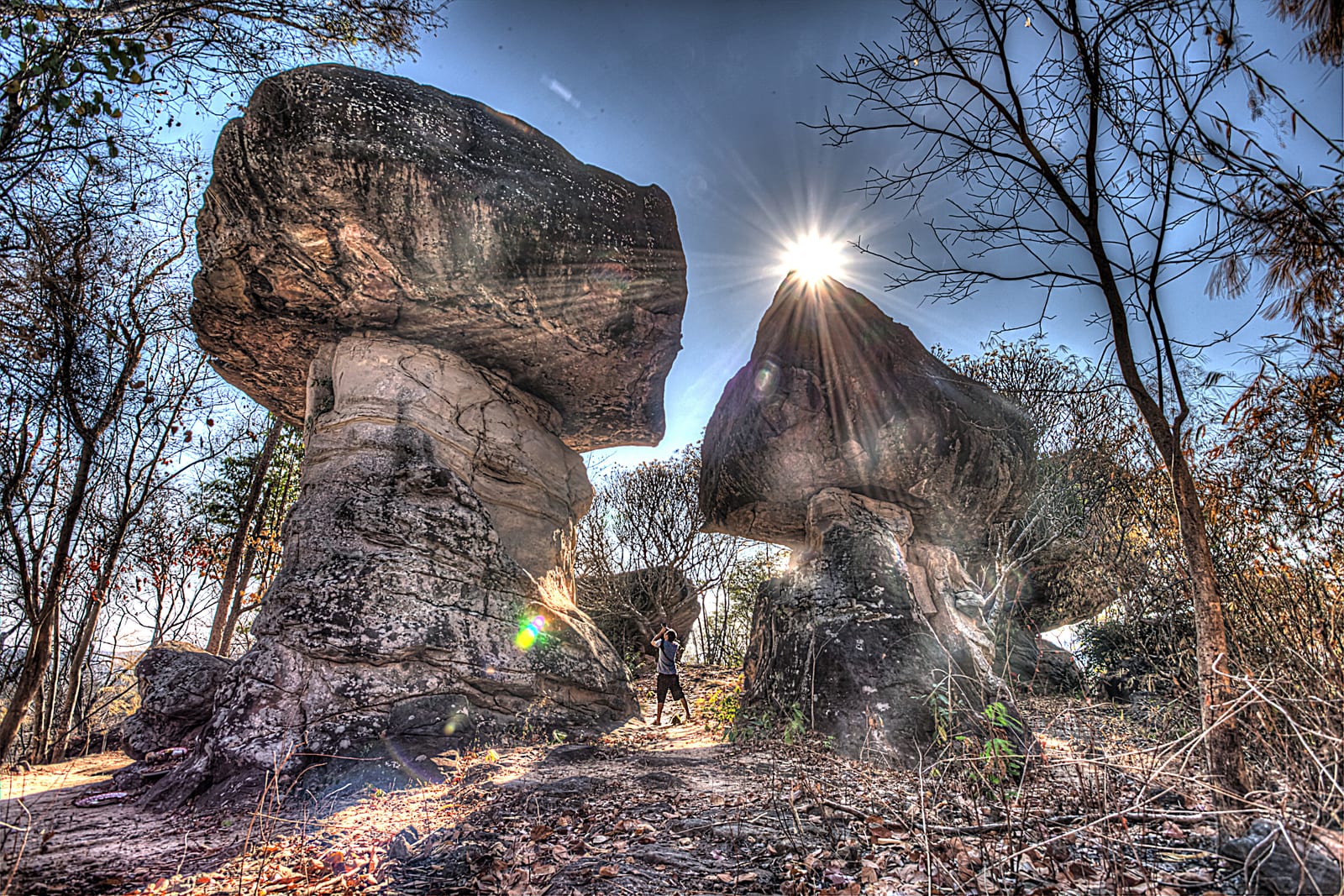
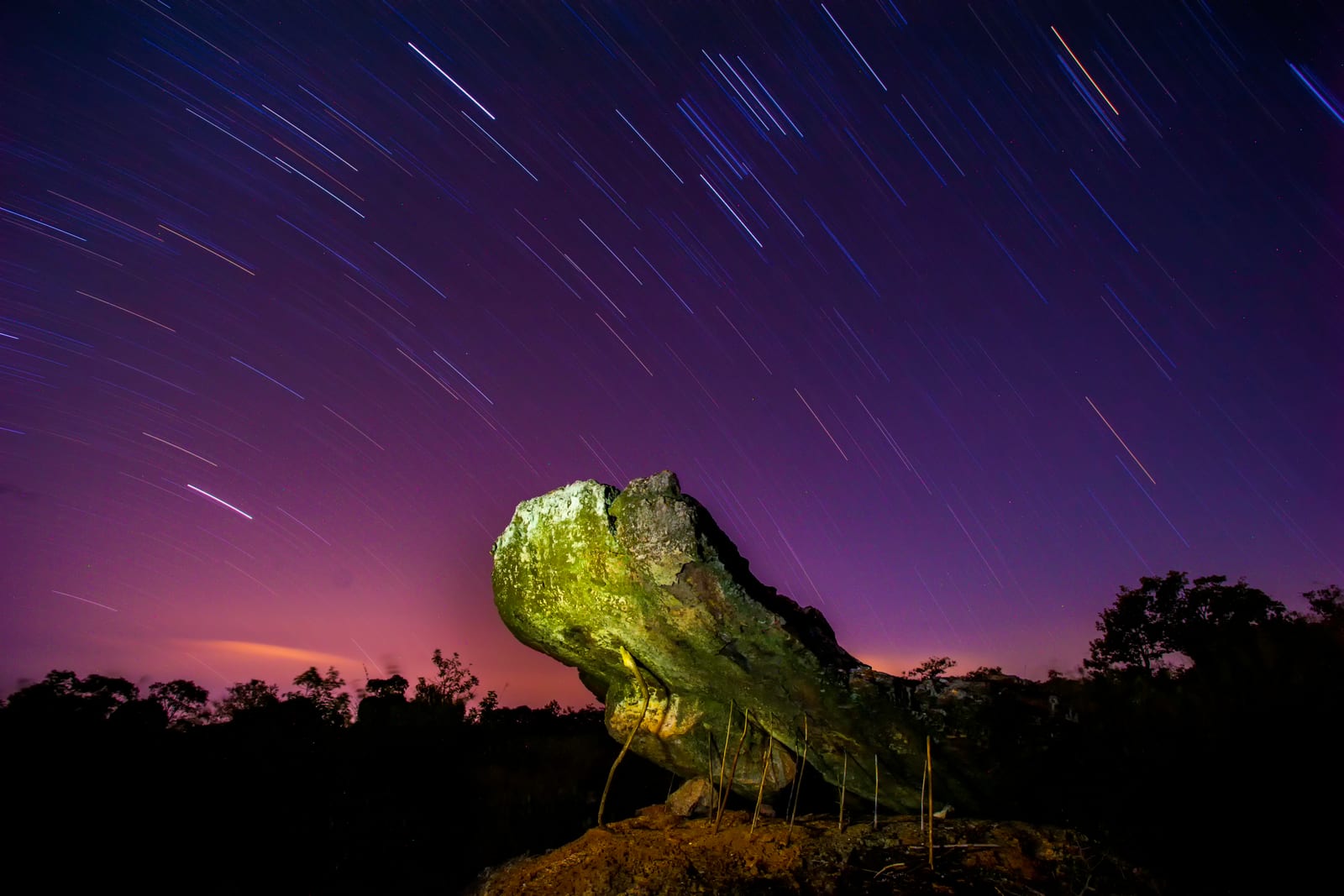
If you come to Nong Bua Lamphu and want a full-on view, Phu Kao–Phu Phan Kham National Park is a pin you shouldn't skip. The park straddles Non Sang district (Nong Bua Lamphu) and Ubolratana district (Khon Kaen). The name 'Phu Kao' comes from the nine hills lined up in a row, while 'Phu Phan Kham' is the ridge along the reservoir above Ubolratana Dam. It suits nature lovers, families who want to take the kids camping, and anyone chasing a beautiful sunset over a wide expanse of water.
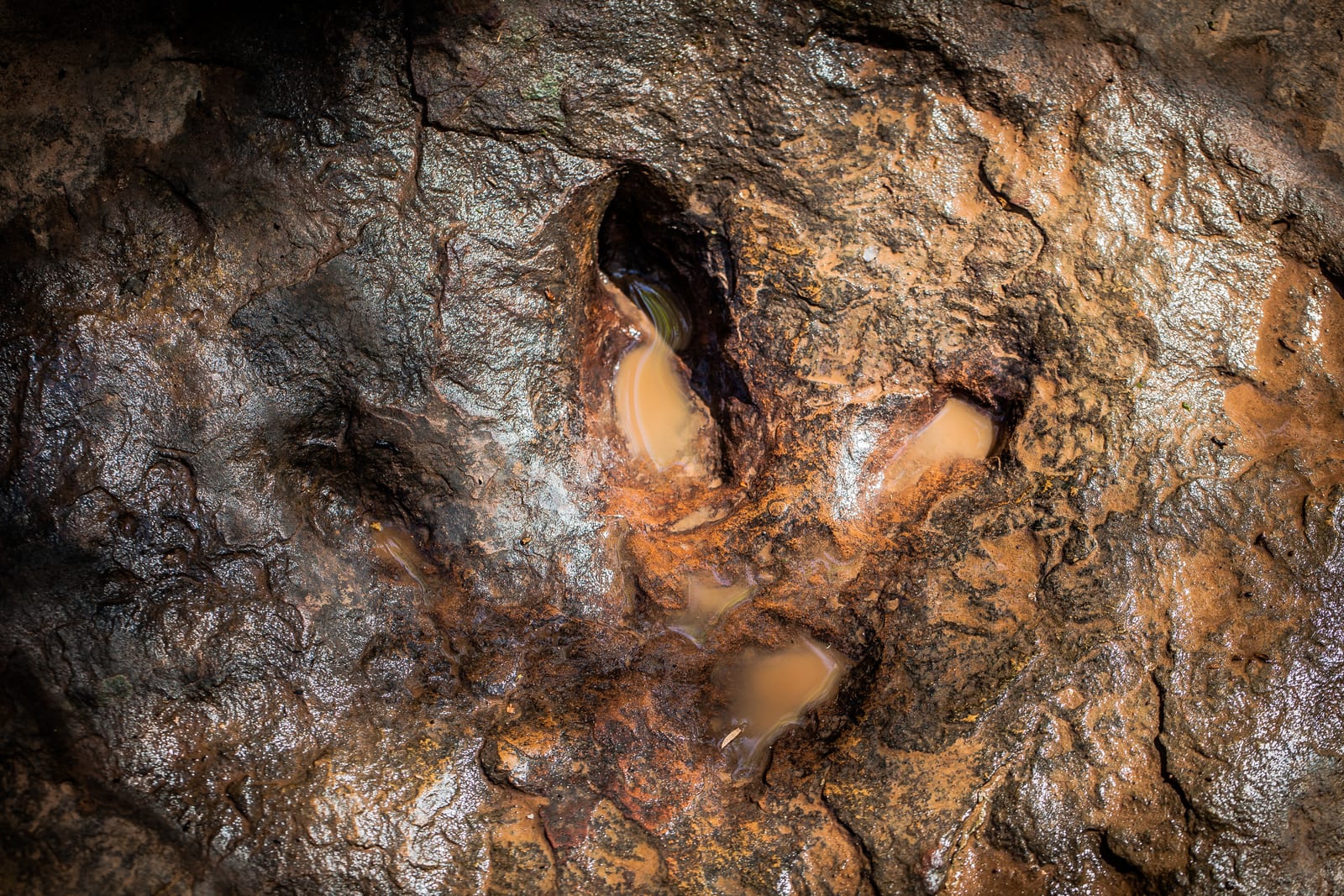
The highlight people talk about most is the Chong Khao Khat viewpoint, now built out as the 'Phu Aen Skywalk' — a clear glass bridge jutting out over the cliff, about 275 metres above sea level, looking down over Ubolratana Dam's reservoir in a panorama with the Phu Kao ridge in the distance. Most reviews agree that coming in the evening is best of all, when the golden light at sunset is genuinely beautiful. Another corner many people love is the Laem Samran campsite by the water, where you wake to thin mist and lake views. There are also prehistoric traces — rock paintings, wall carvings, and footprints on the stone — to explore for anyone who loves a good story.
Entry is inexpensive: Thai adults 20 baht, children 10 baht; foreign adults 100 baht, children 50 baht. There's a car park, and the park's bungalows and campsite let you stay overnight. Opening hours are about 08:30–16:30 (the viewpoint / skywalk sometimes stays open later so you can catch the sunset). Its Google Maps score sits at 4.5 from over a thousand reviews, reflecting how impressed real visitors are.
Good to know: the road up to the viewpoint climbs the hill, so check your vehicle and fuel before you go. Walking on the skywalk requires wearing fabric shoe covers per the rules. In late rainy to early cool season (November), the deciduous dipterocarp forest sheds its leaves and turns especially colourful. If you're set on the sunset, allow time to go up before the light fades, and bring water and a windbreaker.
Wat Tham Suwannakuha

Wat Tham Suwannakuha is at Ban Khuha Phatthana, Tambon Na Si, Suwannakuha District — a temple inside a limestone cave that gave its name to the whole district. The cave isn't a mysterious scramble; the mouth opens wide like a great hall, and as you walk in you meet the important principal Buddha that people here call Luang Pho Phra Chai Chettha, a naga-sheltered image in the Lan Xang style with a lap about 4 metres wide, built of sand mortar in the manner of the old craftsmen — calm and awe-inspiring in a way photographs rarely capture in full.
What makes this temple special is a history you can still touch. In the grounds are old stone inscriptions recounting the temple's founding and the dedication of land to it, tied to Phra Chai Chettha Thirat, king of the Lan Xang kingdom in the 16th century. The main inscription that people often mention gives a date around 1563, reflecting that this was once the town of Suwannakuha and an important point on the old route between the Mekong and Phong river basins. Anyone who loves the ancient Isan–Lan Xang towns will get a much clearer picture from standing and reading the information boards here.
Beyond the principal Buddha, the cave holds several small and large stucco Buddha images set along the walls and in niches, a stone pulpit, and behind the main image a small brick chedi in a rare lotus-bud shape. For anyone hunting a reclining Buddha, the grounds also have a long reclining Buddha to venerate at another point. This hill is said to have dozens of caves scattered around it, so the atmosphere is shaded with trees and rock cliffs — you can wander at your own pace without rushing.
This temple suits people who want to venerate the Buddha quietly, merit-makers and history lovers, and families wanting to show children the real thing outside the classroom. Getting there is reasonably easy, as it's the main destination of the district. Dress modestly, as it's a sacred precinct, and if you come on the 13th–14th day of the waxing moon in the third lunar month, it coincides with the Luang Pho Phra Chai Chettha homage ceremony that the district holds every year — livelier than usual, but with the full local-tradition atmosphere.
Chong Khao Khat Viewpoint
If you're driving along Ubolratana Dam into the Phu Kao area on the Non Sang side and want a wide-open photo spot as far as the eye can see, the 'Chong Khao Khat viewpoint' is the one locals pass on the tip about. It was originally just a rest stop on Highway 2146 at the Nong Bua Lamphu–Khon Kaen border, but once they built a glass skywalk jutting out beyond the cliff edge, it became a new provincial landmark. The point sits about 275 metres above sea level, looking down over the broad waters of Ubolratana Reservoir with the Phu Kao ridge stretching off in the distance. It suits people who love natural views, photographers, and families wanting an easy, relaxed corner in the evening.
The unmissable highlight is the clear glass bridge, 16 metres wide and 21 metres long, where you can see the reservoir view opening up in nearly every direction. The bold can walk right out to the end of the bridge to take photos. The most popular time is the evening before sunset, when the golden light pours over the water beautifully. Many genuine reviews say the sunset view is superb — wide-open, quiet, and unhurried; some describe driving along the dam, with restaurants to stop at here and there along the way.
On costs: this spot lies within Phu Kao–Phu Phan Kham National Park. Park entry is 20 baht for Thais, parking 30 baht per vehicle, and going up the skywalk is an additional 60 baht per person (including the songthaew shuttle from the office up and back, plus the shoe covers to protect the glass), because private cars can't drive up to park at the skywalk — you have to park at the park office first. It opens about 08:30–16:30, but some sunset-viewing sessions extend the hours later into the evening; check with the park's Facebook page first to be sure.
A small note: the viewpoint is open and exposed, and the sun is fierce during the day, so bring a hat, sunglasses, and sunscreen. If you're set on the sunset, allow time to go up on the skywalk before the light fades, because the songthaew runs are limited. Review counts on travel sites aren't large yet (a small sample), but most voices agree that the view is worth the trip — especially for anyone who likes the quiet Isan atmosphere and wide dam views that haven't got as crowded as the famous spots.
Thao To Waterfall Forest Park
If you're touring Nong Bua Lamphu town and want somewhere to escape the heat for half a day, Thao To Waterfall Forest Park answers well, because it's only about 3 km from town on Highway 210 (Nong Bua Lamphu–Udon Thani) — a quick drive. This is a low-tiered waterfall flowing across a wide stone terrace in the middle of a forest park shaded by many kinds of trees. It suits people who want to sit and relax, listen to the water, spread out a picnic mat, or bring the family for an easy walk without any hard hill climbing.
The highlight many people mention is the oddly shaped boulders scattered along the stream, with water at a shallow level that kids can happily wade in. From the car park it's only about 150 metres down to the waterfall stream — not far. Another spot not to miss is the Chao Pu Lup shrine in the same grounds, revered by the people of Nong Bua Lamphu; many who drive past honk the horn or stop to pray for safe travel. There's also a viewpoint looking down over a wide view of Nong Bua Lamphu town.
The budget is very easy, because entry is free with no charge, there's a car park, and pets are allowed. It's open for daytime visits around 08:00–17:00. The most beautiful time is the rainy season, roughly July–October, when the water is plentiful and flows strongly across the whole stone terrace; in the dry season the water thins out, as is normal for Isan waterfalls — good to know before you plan.
It's popular because it's close to town, easy to reach, free, and gives you nature, a place to pray, and a viewpoint all in one. Bring drinking water and non-slip shoes, since the streamside rocks can be mossy, and take your rubbish back with you to help keep the forest park clean for those who come after.
🎫 Tickets & Tours for Nong Bua Lamphu — Cover Multiple Spots, Skip the Queue
Nong Bua Lamphu's attractions sit out of town in different directions — Tham Erawan, Phu Kao–Phu Phan Kham, and Wat Tham Klong Phen among them. If you don't have your own car, look for a tour with a guide or driver who takes you to several spots in one day, so you don't have to circle around hunting for parking and can hear the story behind each place along the way. If you'd rather arrange things yourself, booking tickets for spots with entry fees or activities ahead through Klook or GetYourGuide is convenient — no queuing on the spot. Compare the ticket and tour options for Nong Bua Lamphu first.
💡 Know Before You Go: Nong Bua Lamphu
The attractions in central Nong Bua Lamphu are within walking distance of each other, but Tham Erawan, Wat Tham Klong Phen, and Phu Kao–Phu Phan Kham are out of town in different directions, and public transport is limited. The most convenient way is to rent a car or a motorbike — Grab barely exists in Nong Bua Lamphu. Many people fly into Udon Thani and rent a car to drive on from there.
Temples, roadside food, and the entry fees for the shell fossil museum and the national park are mostly cash-only. Carry small notes for entry fees, parking, roadside snacks, and temple donation boxes. ATMs are easy to find in town but scarce at the out-of-town spots.
The midday sun is fierce. The viewpoints above Ubolratana Dam at Phu Kao–Phu Phan Kham and Chong Khao Khat are at their best in the evening near sunset. Wat Tham Suwannakuha is in Suwannakuha district, far from town, so allow time for the drive there and back.
Tham Erawan and Wat Tham Klong Phen (Luang Pu Khao Analayo) are sacred sites where people genuinely come to venerate the Buddha. Cover shoulders and knees, remove shoes where signs indicate, and keep quiet in the viharn and cave areas. Tham Erawan means climbing 600 steps — wear comfortable walking shoes and bring water.
Nong Bua Lamphu is a small town; outside the major attractions, English signs and menus are rare. Bring a translation app to help, or point at pictures at the market and Isan restaurants to get your meaning across. Most people here are kind and patient with travellers.
Tham Erawan has a winding stair of over 600 steps up to the cave mouth, and Phu Kao–Phu Phan Kham involves hill trails, so allow for the energy and time. Going in the morning while the air is still cool makes for a more comfortable walk. Anyone afraid of heights may need to steel themselves standing on the viewpoints.
Plan Your Nong Bua Lamphu Trip to Get the Most Out of It
Nong Bua Lamphu is easy to travel because the town's standout spots cluster at the foot of the Phu Phan range in the same direction. Wat Tham Klong Phen (Luang Pu Khao) and the 150-Million-Year Shell Fossil Museum are close together in the Non Than area, easy to collect as a pair, then come into town to walk the lakeside at Nong Bua Public Park and pay respects at the San Somdet Phra Naresuan Maharat shrine in the same grounds. Half a day covers it, and in the evening you can stroll by the lake in the breeze.
If you have more than one day, drive out of town. For nature and views, head to Phu Kao–Phu Phan Kham National Park and the Chong Khao Khat viewpoint in Non Sang district, beside Ubolratana Reservoir — a beautiful sunset spot. For the spiritual and adventurous, go to Tham Erawan in Na Wang, where you climb 600 steps up to venerate the Buddha in the cave and get a town view up top. Not far away in Suwannakuha district is Wat Tham Suwannakuha, a cave temple with a Lan Xang Buddha and old stone inscriptions. For a farm and family outing, stop at PC Cowboy Town, and for a quiet, shaded spot, go to Thao To Waterfall Forest Park on Highway 210. Plan to group the spots in the same direction together to save the most time.
A single day in Nong Bua Lamphu is fun, but staying a night in town lets you stroll the lakeside at Nong Bua Public Park in the evening, pay respects at the San Somdet Phra Naresuan shrine, and drive out in the morning to venerate Luang Pu Khao at Wat Tham Klong Phen or climb Tham Erawan before the sun gets strong. Compare prices and reviews for hotels in Nong Bua Lamphu before you book.
🔍 Check Nong Bua Lamphu Hotel Prices (Agoda)