🔄 Last checked 26 Jun 2026 · details and hours can change — check the venue before you go
📍 All restaurants on the map
Tap a pin for the spot + nearby stays
Phetchabun's appeal is being the "sea-of-mist province you can drive to easily" — about five hours from Bangkok and you're in cool air that lasts most of the year. The highlights concentrate in just a few districts but cover every style of travel. Head up to Khao Kho for winding mountain roads to morning sea-of-mist viewpoints, giant wind turbines lined up on a ridge, and Wat Phra That Pha Sorn Kaew with its chedi encrusted in millions of mosaic and ceramic pieces in the midst of a mountain landscape. Further toward Lom Kao lies Phu Thap Boek — the highest peak in the province, with terraced green cabbage fields stretching down the hillside as far as you can see, and a camping ground where you wake up with the mist beneath your feet. For the old-town crowd, Thai Lom Walking Street in Lom Sak serves local food on Saturday evenings. The routes connect easily across nature, temple, cafe, and photography styles.
This list covers the spots no Phetchabun visit should miss. Wat Phra That Pha Sorn Kaew at Camp Son — the Maha Rattana Wihan Khot chedi encrusted with mosaic tiles and ceramic pieces, with five white Buddhas stepping down the hillside in formation. Si Thep Historical Park in the south of the province, a 1,500-year-old Dvaravati-Khmer ancient city that UNESCO designated Thailand's fourth World Heritage Site in 2023. Phra Borommathat Chedi Kanchanaphisek — a white chedi blending Sukhothai, Ayutthaya, and Rattanakosin architecture housing relics brought from Sri Lanka. Nam Nao National Park with cool air all year, hiking trails, waterfalls, and the Phu Kho sunrise viewpoint. Cafe-goers have Pino Latte, where you sit at a long bar watching mist roll in while Wat Pha Sorn Kaew appears in the distance. And for a first stop before exploring the rest, Ho Borankhadee Phetchabun Intrachai museum in the old town is free and more engaging than you'd expect from an old government building. Scroll through and plan your own route.
Wat Phra That Pha Sorn Kaew
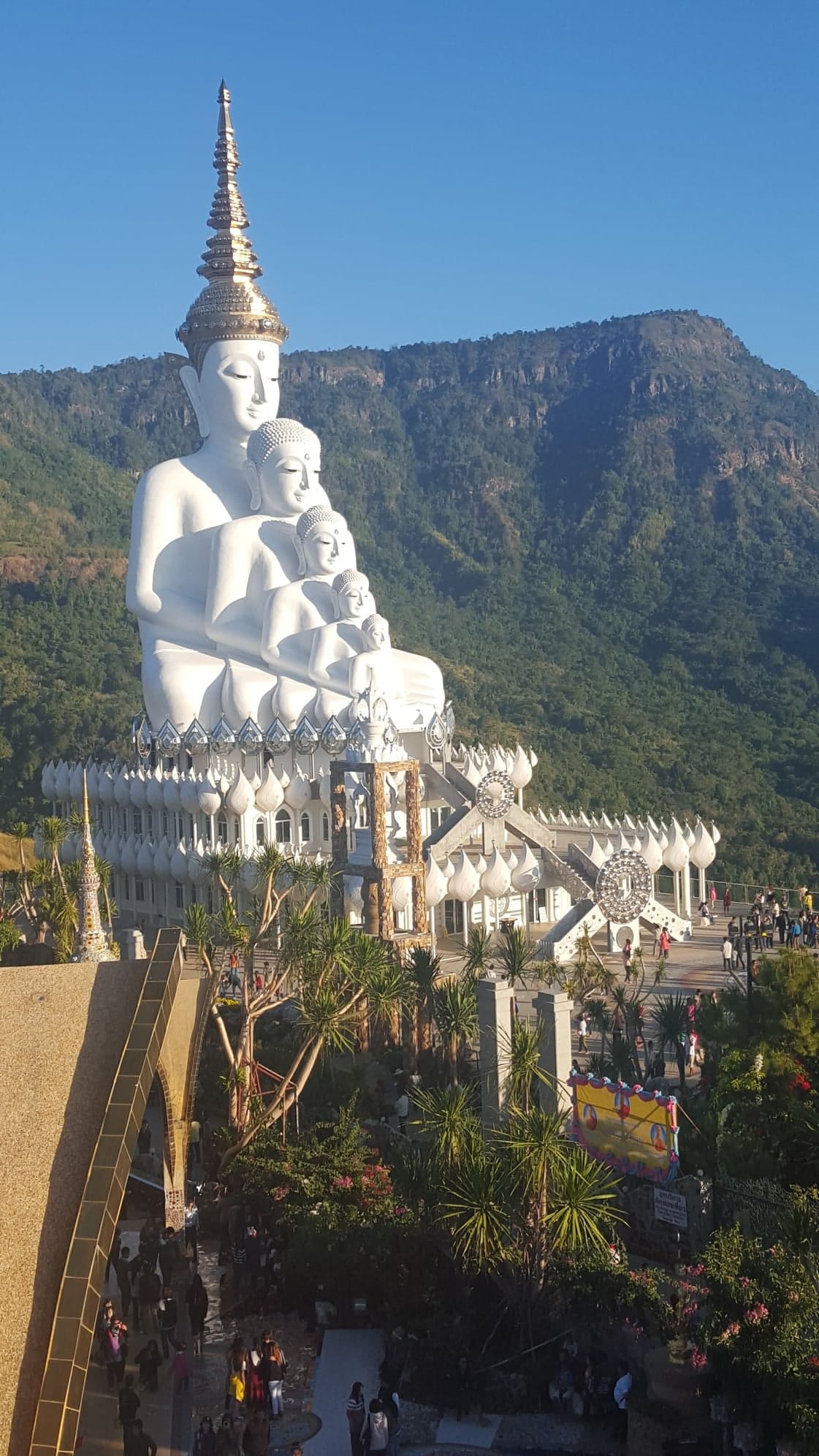
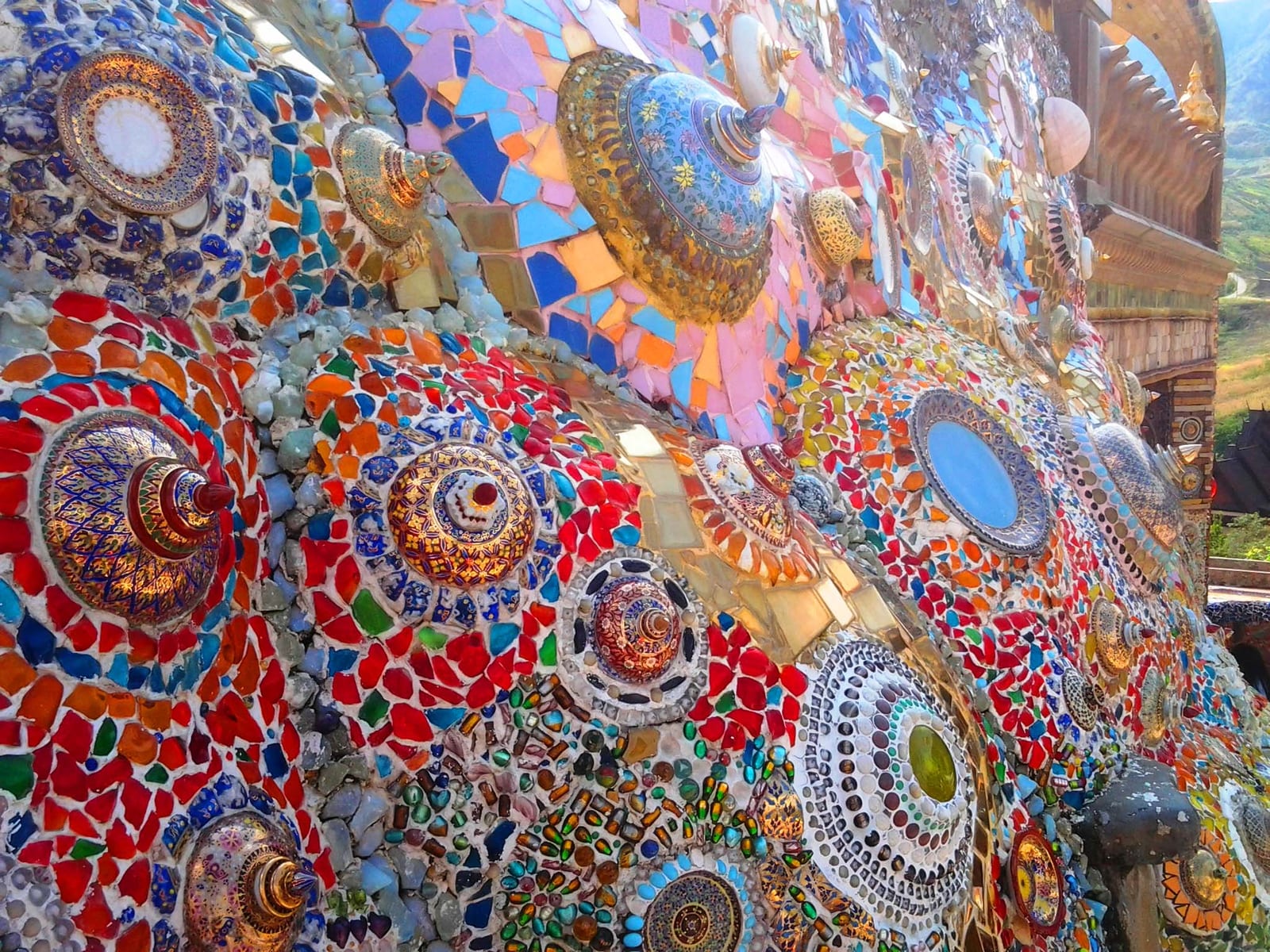
When people think of things to do in Khao Kho, Wat Phra That Pha Sorn Kaew is almost always the first name that comes up. A temple perched about 830 metres above sea level in Camp Son sub-district, it has become the defining landmark of Phetchabun. What makes it unforgettable is the Phra That Pha Sorn Kaew Siri Rachatham Naruemit chedi — every surface covered in multicolored mosaic tiles and ceramic pieces numbering in the millions. When sunlight hits it, the whole structure seems to radiate color. Reviewers consistently say there's no bad angle. The temple is a natural fit for anyone who loves extraordinary temple architecture, photography, and worshipping in the middle of a mountain landscape.
The most photographed moment is the five white Buddhas standing in descending formation on the mountainside, representing five Buddhas of different eras. This is the signature shot of the temple, especially on early mornings when mist drifts around the base of the mountain and the white figures stand against a backdrop of sky and ranges. Beyond the Buddhas there are colored-glass pavilions and additional viewpoints scattered around the grounds to explore. Reviews on Google consistently praise how clean, organized, and peaceful the temple is even when crowds are present.
Budget-wise, this is one of the most accessible temples in Thailand — free entry, with only a parking fee of about THB 30. Open roughly 08:00–17:00 (some Friday–Sunday periods extend into the evening — check the temple's page before you go). The access road is a winding mountain route; check your brakes and go when it's daylight. The temple enforces a modest dress code as a sacred site. For the best combination of mist and light, late rainy season into early cool season (November–January) is ideal. Come early to catch both the mist and the good light while avoiding the mid-morning crowds on the road.
Khao Kho (Viewpoint/Sea of Mist)

When people talk about the Khao Kho sea of mist, one of the most talked-about spots is "Khao Takiao Ngoh" — a summit viewpoint with 360-degree mist views all around. It suits early risers wanting to watch the sun emerge over the horizon through white mist, and campers who want to pitch a tent and fall asleep under the stars on the mountain. The site is within Thung Salaeng Luang National Park territory — you can drive all the way to the top. The final stretch is steep but short; no long hike required.
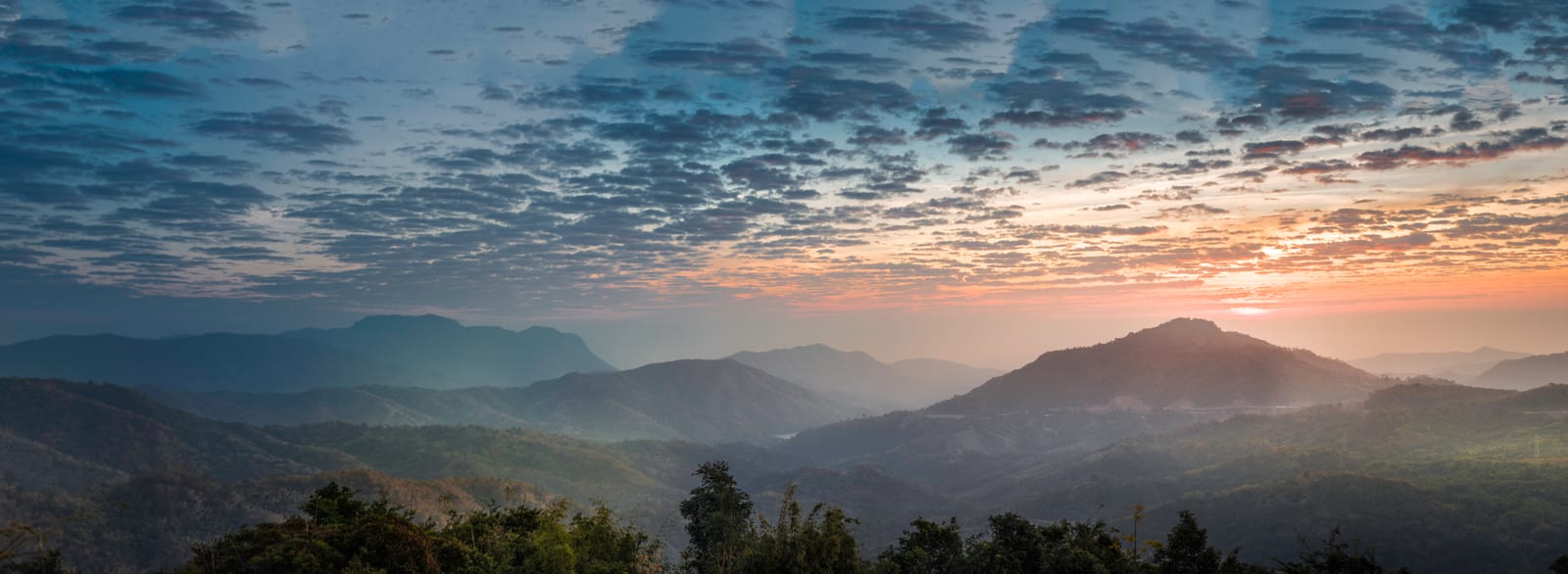
The standout moment is the eastern sunrise, when Khao Ya — a peak shaped like Mount Fuji — rises above the sea of mist. Reviewers agree: you need to be in position by around 05:30–07:00 because the mist is thickest at first light and burns off as the morning progresses. In the camp atmosphere of the summit, early risers warm up with hot coffee, instant noodles, and grilled fish balls while waiting for the first light. The camping ground is laid out in terraced levels, with toilets, showers, and power outlets available.
Budget-wise: a sightseeing-only visit costs a conservation fee of tens of baht, plus THB 50 to park a car (THB 20 for a motorbike). Camping with your own tent costs THB 100 per person; renting a community tent runs THB 450–500 for a 2–3 person tent. The best mist season is late rainy season through October to November. In hot season or on windy days, mist may not appear at all.
One practical note: the viewing platform at the top is fairly small — on busy long weekends it gets crowded. Wear sneakers as the path has some gentle earthen slopes, and bring a jacket because early-morning temperatures at elevation are genuinely cold. If you don't want to camp overnight, driving up before dawn and descending to explore the rest of Khao Kho after is a perfectly workable plan.
Phu Thap Boek

Phu Thap Boek is the highest peak in Phetchabun, rising about 1,768 metres above sea level at Ban Thap Boek, Wang Ban sub-district, Lom Kao district — roughly 40 kilometres from the provincial capital. What people talk about most is the terraced cabbage fields cascading in shades of green down the mountainside as far as the eye can see, plus the camping ground where you wake up and look out to find the morning mist floating below you. For nature lovers, cool-air seekers, and people who want to sleep under the stars in a tent, this is the destination.
The experience not to skip: wake up before dawn, walk to the viewpoint near the observatory and temperature monitoring station, and wait for the sunrise over the sea of mist. Stroll through the terraced cabbage fields for photos. Stop at Wat Pa Phu Thap Boek. If you come in early January you may catch Phaya Suea Khrong (Thai cherry blossom) trees in bloom. Reviewers uniformly say the cold season wind is genuinely cold up here — bring enough layers. People who have stayed consistently give the atmosphere and temperature a perfect score.
Budget-wise: no viewpoint entry fee. You pay only for your accommodation or the camping pitch at whichever resort you choose. Bring your own tent or rent from on-site resorts. There are several resorts and restaurants spread across the peak, and hot-pot meals are a cold-season tradition. The access road has 111 hairpin bends and is steep and winding — make sure your vehicle is in good condition and brakes are solid. If you're not confident, rent a local songthaew or hire a driver for the ascent.
Phu Thap Boek is open 24 hours daily. Peak season is cool season (November–February) — on long weekends accommodation fills fast, so book ahead. Rainy season (July–September) brings surprise mist that blankets the mountain all day. Restaurants on the summit are limited, so bring extra food and water. Weekdays give you a quieter experience than holidays.
Wind Turbine Field Khao Kho
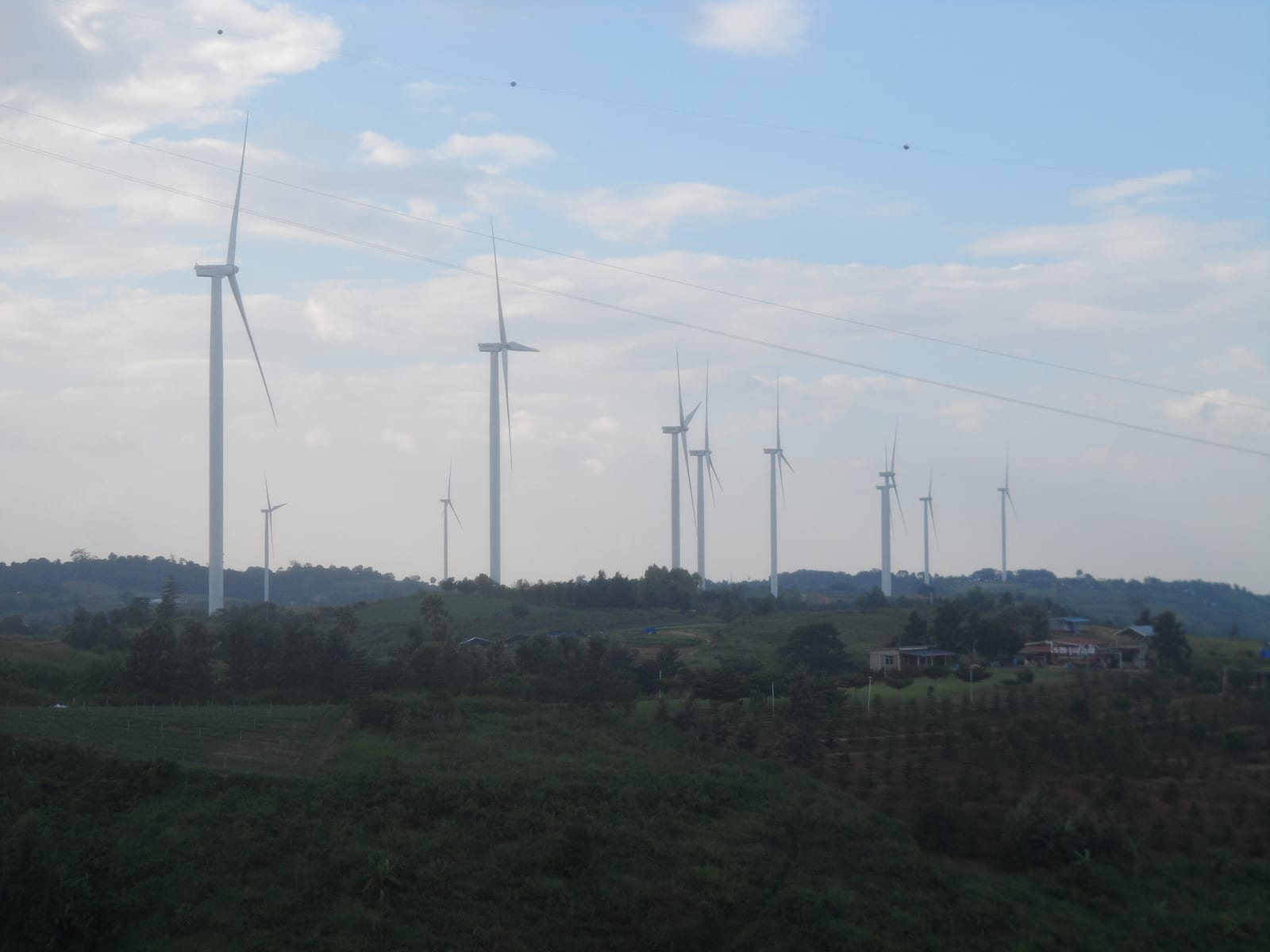
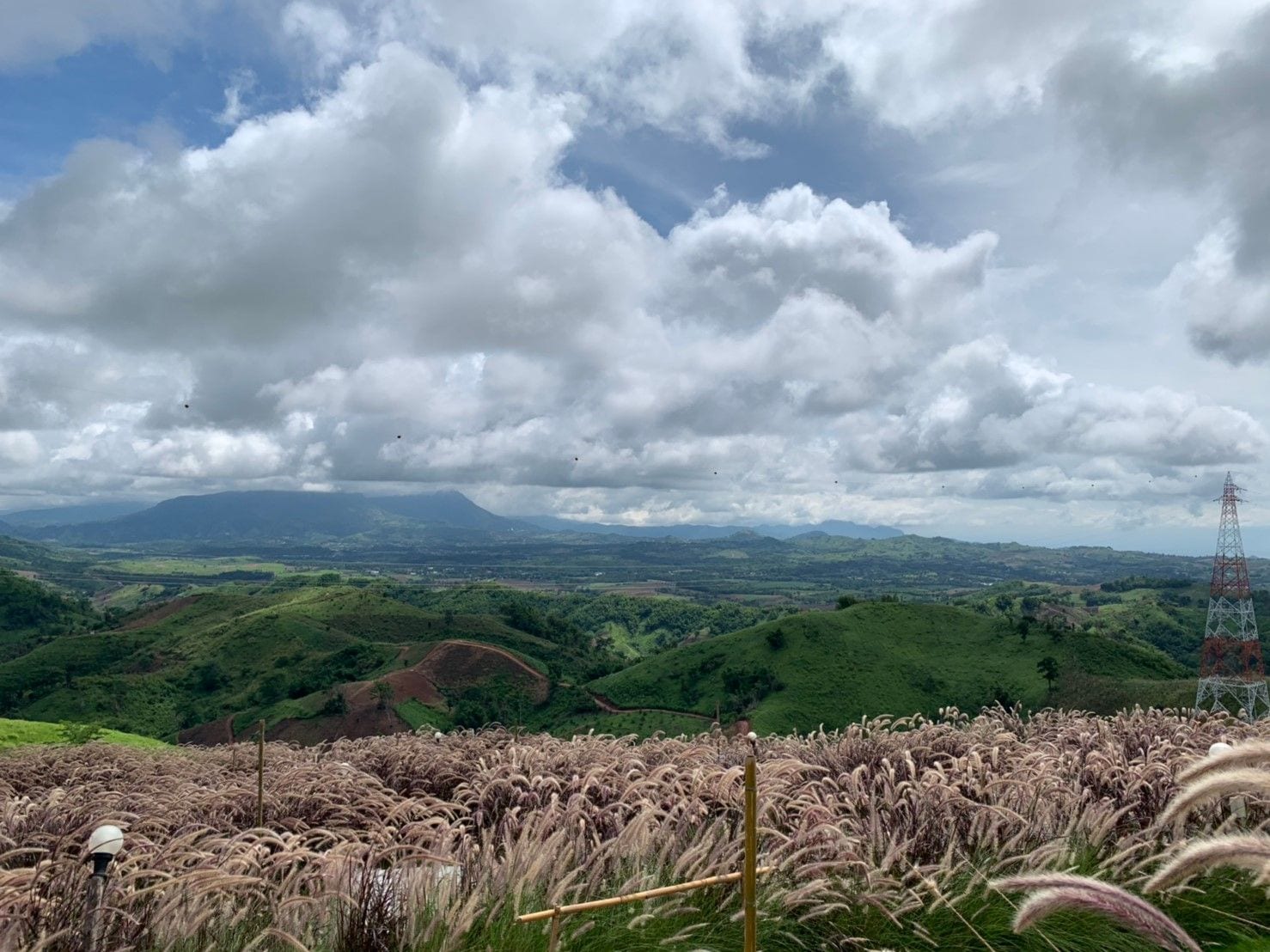
The Wind Turbine Field at Khao Kho is the landmark that makes people say "this doesn't look like Thailand." Turbine towers over 100 metres tall with blades 60 metres long on each side stand in a row along a ridge at about 1,050 metres above sea level. The site is near Ban Phet Dam, Thung Samo sub-district, Khao Kho district, along Highway 2305. It's a natural fit for photography lovers, nature-trail visitors, couples, and families who want cool air and wide-open views without a demanding walk.
The views are the main draw — nearly 180 degrees of open sky, with layered green mountain ranges receding into the distance. On a clear day you can spot Thung Salaeng Luang and Khao Ya — the peak locals call "Khao Kho's Fuji" — along with Wat Phra That Pha Sorn Kaew in the distance. The must-do shots include a selfie right at the base of a turbine (they're much larger than they look up close), a tram or safari-vehicle circuit of the viewpoints, the Hmong-style swing and Hmong-style wooden slides (formula racing), and from late October onwards, strawberry farms nearby. Bamboo hut restaurants with mountain views and small cafes complete the picture.
The budget is light: an entry fee of tens of baht, parking around THB 20, and the tram/safari circuit at roughly THB 60 per person. Open daily roughly 06:00–18:00. Allow 1–2 hours for photos and exploring. The road is paved with some unpaved sections; a regular sedan can manage but take care on steep sections.
This place stays popular because it combines two things visitors to Khao Kho want: great photography and easy access. Google and Wongnai ratings sit around 4.0, with most reviews praising the views and cool air. Some note that certain areas are private farmland and that it gets crowded on weekends. Late rainy season into cool season (October–January) is the peak for both mist and cold air — come early to catch soft morning light and avoid mountain road congestion.
Phra Borommathat Chedi Kanchanaphisek

Phra Borommathat Chedi Kanchanaphisek is a large white chedi standing prominently along Highway 2196 in Khao Kho. Almost everyone driving up the mountain passes it and sees the white spire against the sky and green ranges. Its architectural distinction is the blend of three eras — Sukhothai, Ayutthaya, and Rattanakosin — fused into one structure. The chedi's top houses relics brought from Sri Lanka, making this both a photogenic stop and a place to pay respects. For anyone who wants a worthwhile waypoint that delivers merit-making, photography, and a mountain view without much effort, this delivers all three at once.
The one experience worth doing is walking up to pay respects at the top and then turning around to look at the view — the chedi sits on a rise and the layered Khao Kho mountain ranges spread out in front of you. On clear winter mornings there's a chance of light mist drifting through the valleys below. Inside the chedi some Buddha images and sacred objects are displayed in glass cases. The overall atmosphere is quiet and green, a contrast to the busier check-in points in Khao Kho.
Free entry, no ticket. Open roughly 08:00–18:00 daily. Wide parking lot. Nearby shops and toilets. Reviewers note it's easy to pull in because it's right on the main road, parking is simple, and the walk up isn't far. Located about 2 kilometres north of Khao Kho district office, near Wichamai Punya Aram Forest Monastery. Works well as the first or last stop on a Khao Kho day trip.
This chedi earns its ranking because it bundles three things Khao Kho visitors want: merit-making, a beautiful white chedi photo, and mountain scenery — without requiring a long walk. Reviews mostly note how calm and clean the site is. One note: dress modestly as you would for any sacred site, and the open chedi plaza gets strong midday sun — morning or late afternoon light is gentler and better for photography.
🛏️ Where to Stay in Phetchabun — Mountain Views on Khao Kho or Phu Thap Boek
Staying at least one night makes the Phetchabun trip — you get to wake early and reach the viewpoints or camping grounds before the mist lifts and the crowds arrive. Popular accommodation splits between two zones: Khao Kho–Camp Son (close to Wat Pha Sorn Kaew, Wind Turbine Field, and mountain cafes — plenty of mountain-view resorts here) and Phu Thap Boek in Lom Kao (hillside resorts and camping grounds with summit mist views). Anyone focusing on the old-town or Thai Lom Walking Street can stay in Phetchabun city or Lom Sak instead for easier access. Pick the zone closest to your first-morning destination for the most efficient trip. Compare prices and reviews before booking.
Si Thep Historical Park (UNESCO World Heritage)

Si Thep is an ancient city inhabited from around the 3rd century CE, spanning the Dvaravati era and later the period of Khmer influence — over 1,500 years of continuous history in one place. Walk into the inner city and you find a double-ring city plan shaped roughly like the figure eight, ringed by moats and earthen ramparts, with excavated brick-and-laterite structures whose forms are clearly readable. On 19 September 2023, UNESCO declared the Ancient Town of Si Thep and its associated Dvaravati Monuments a World Heritage Site — the fourth in Thailand and the first in Upper Central Thailand.
The most talked-about highlight is Khao Khlang Nok, a large earthen stupa outside the city walls, with a square base roughly 64 metres per side, decorated with rows of subsidiary stupas. It's the image most people recognize from posters of Si Thep. Inside the city zone there's Prang Si Thep and Prang Song Phi Nong — twin towers showing Khmer artistic influence, standing together on a shared base — and Khao Khlang Nai, a Dvaravati-period shrine where several dwarf figures supporting the base are still visible in stucco.
Beyond the main monuments, the park includes active archaeological excavation sites open for viewing, where skeletal remains and occupation evidence in soil layers are exposed — a concrete look at how archaeologists read this city's past. The grounds are quite large and exposed to the sun; bring a hat and water. A tram service runs around the inner city for those who'd rather not walk the full distance. Khao Khlang Nok is separate and requires a separate vehicle transfer. Reviews on Google mostly praise the well-organized site and readable information boards, with an overall rating around 4.6.
Regarding the journey: Si Thep is in the far south of the province — about 130 kilometres from Phetchabun city and Khao Kho, but around 230 kilometres from Bangkok along the main highway. It works better as a stopover on the way from Bangkok than paired with a Khao Kho trip in a single day. Open daily 08:30–16:30. Thai adults THB 20, children THB 10; foreign adults THB 100, children THB 50; parking THB 50 per vehicle. Allow at least 2–3 hours.
Pino Latte Resort & Cafe
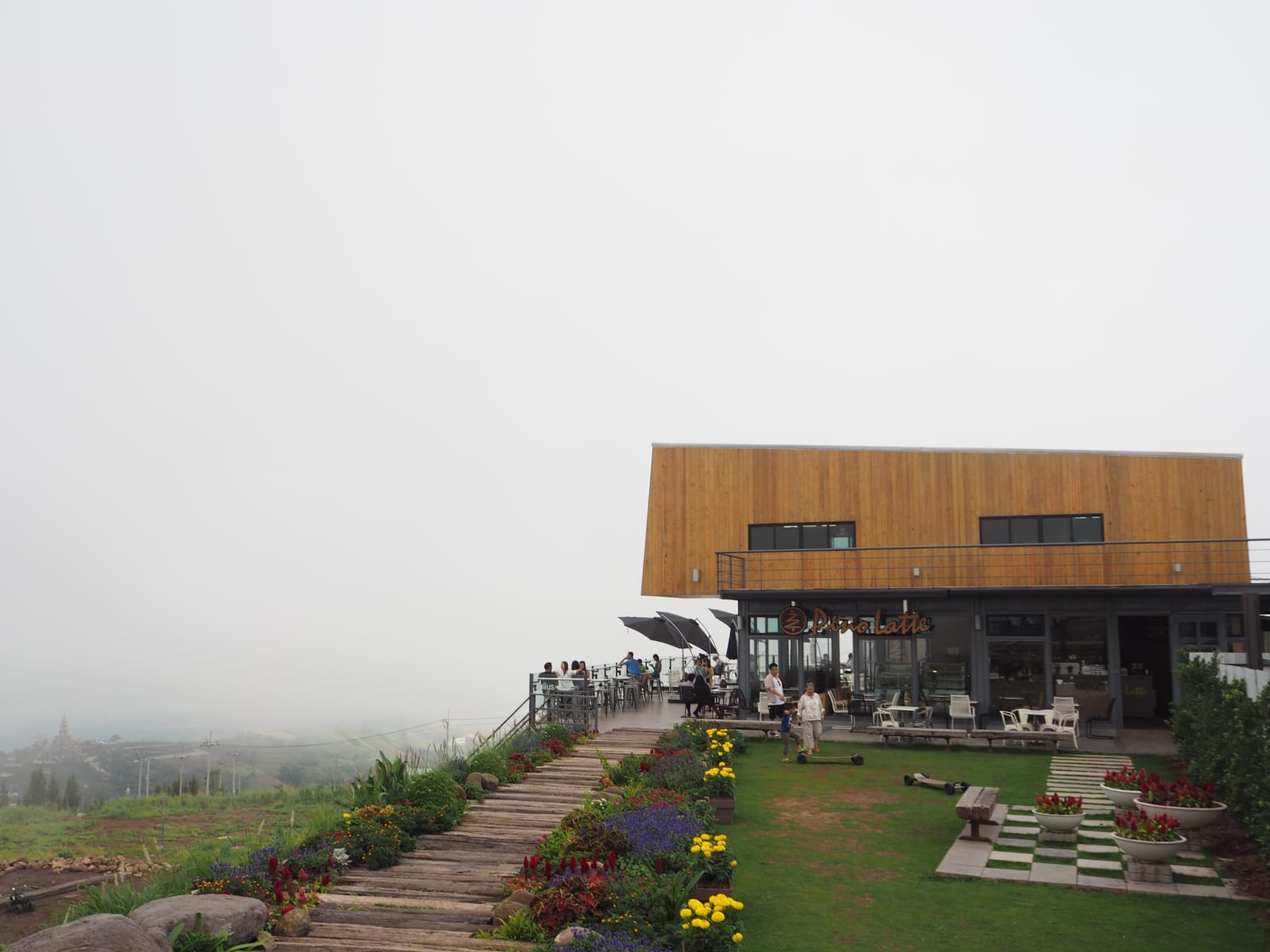
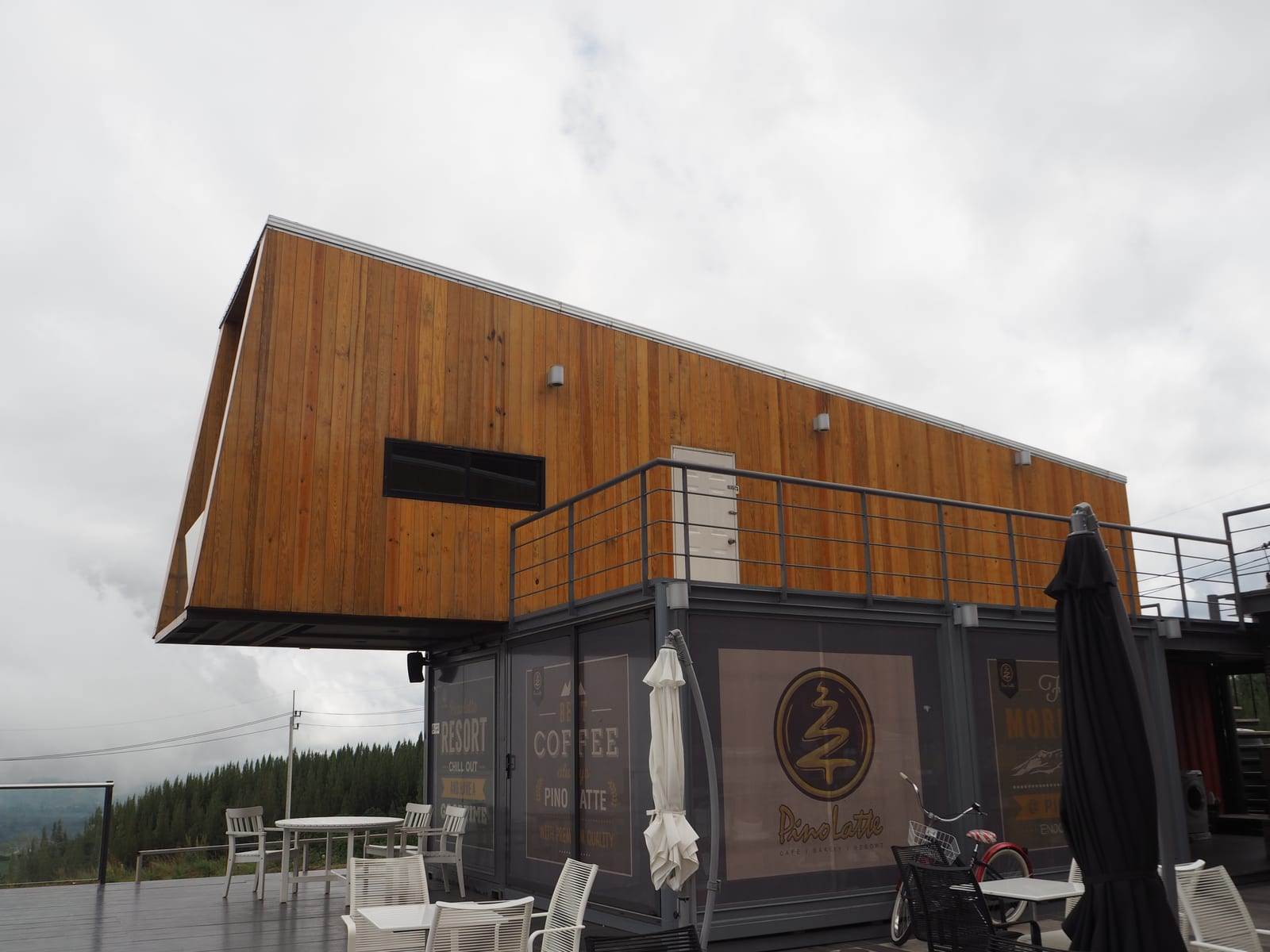
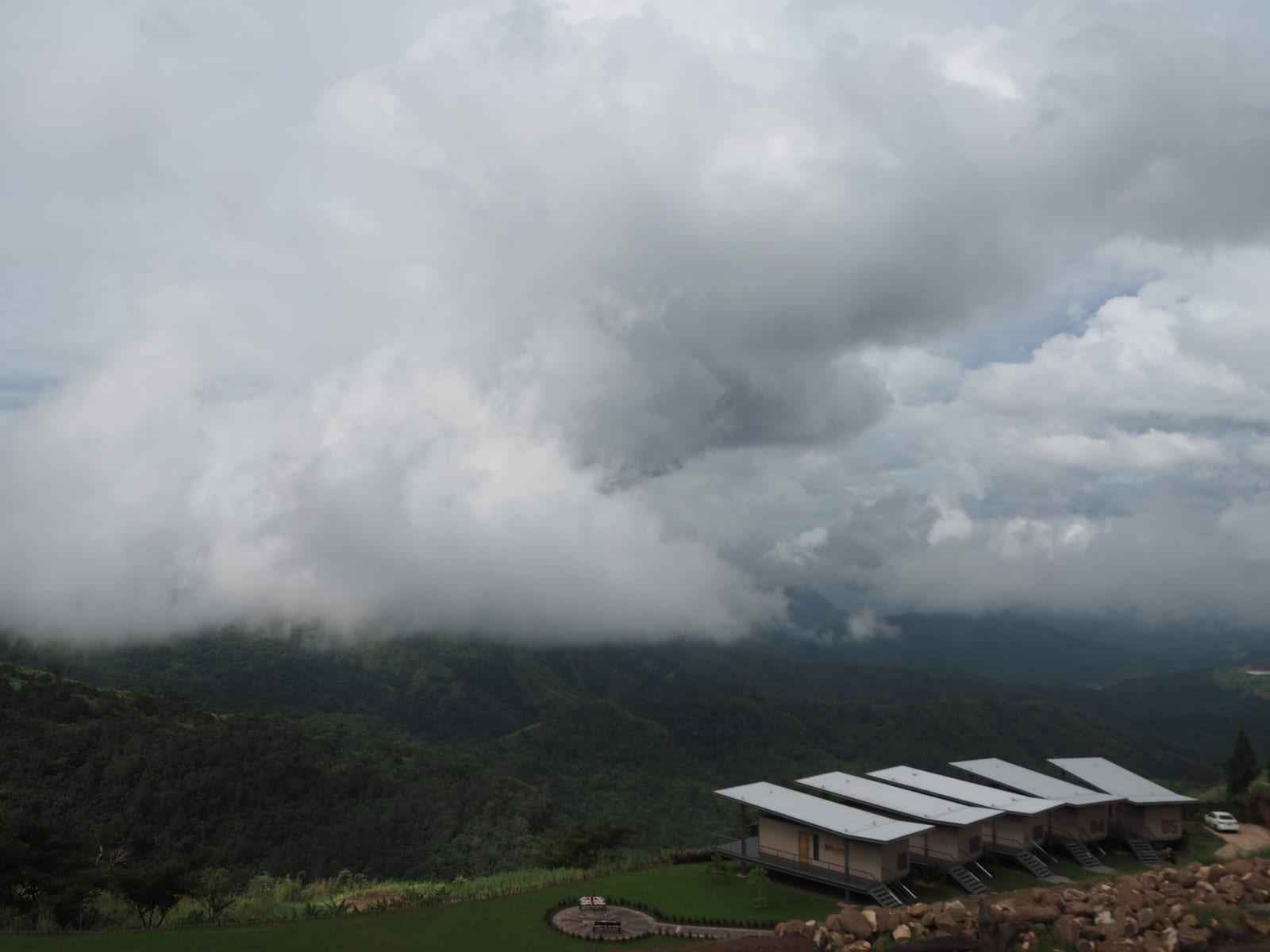
If you're driving up Khao Kho and want a cafe where you can sit with a coffee looking at a panoramic mountain view, Pino Latte Resort & Cafe is one of the most talked-about options. The concept is clear: a cafe on a high terrace where the mountain ranges fill the horizon, and on a clear day Wat Phra That Pha Sorn Kaew appears in the distance. The setup draws photography lovers, cafe enthusiasts, and anyone who wants to sit and wait for the morning mist to roll in.
The highlight most visitors come to photograph is the long bar along the balcony edge, facing the valley. Sit with a coffee, rest the cup on the railing, and watch the mist drift over the hills in the morning — that's the image this cafe is known for. The space splits between an air-conditioned indoor zone for groups or heat-sensitive visitors, and an open-air outdoor zone with photography corners scattered throughout. Popular menu items include green tea macadamia cake, brownie cheesecake, Pino Latte coffee, and savory options like pizza and spaghetti. For the best atmosphere, Saturday and Sunday mornings starting at 8 o'clock are the prime window.
Budget: this caliber of cafe runs around THB 250–500 per person including food and drinks. Pricing for coffee and cake is in line with other view-destination cafes. No separate entry fee — just sit down and order. Located in Camp Son sub-district, Khao Kho — roughly 10–15 minutes' drive from Wat Phra That Pha Sorn Kaew. Works before or after the temple visit.
One heads-up: during high season in cool weather and on long weekends, the queue is long and service slows when it's packed. Some reviewers note that people reserve seats without ordering, making it hard to find a spot. Get there early if you want the best views. And manage expectations on the food — the real draw here is the view and atmosphere, not the cuisine.
Thai Lom Walking Street
Thai Lom Walking Street runs along Rannakit Road in the heart of Lom Sak's old town — the district's oldest trading quarter. A wooden clock tower serves as the landmark, and two-storey wooden shophouses a century old line both sides of the road still in their original form. Every Saturday evening the street closes to vehicles and becomes a long, lively market with food and craft stalls. It's a natural stop for anyone driving through Lom Sak on the way to Khao Kho or Phu Thap Boek, and a good family outing because the space is wide and the atmosphere is safe and easy.
The food everyone talks about is the vintage-style pad thai cooked fresh at the roadside, along with Lom Sak local specialties like nam prik pak kraton, nam prik khi pu, and miang kham. What sets this street apart from a regular night market is the live cultural demonstrations: knife-making, weaving, and banana-leaf carving (khaeng). Street art murals decorate the walls of the old wooden houses, and a short walk brings you to the Lom Sak City Shrine and the Lom Sak Museum in a century-old building. One walk covers eating, shopping, and local heritage.
The atmosphere: reviewers consistently describe it as "fairly lively" — comfortable to walk when the heat drops, food prices are reasonable, many stalls formerly participated in the government's Khon La Khrueng co-payment scheme, and locals and visitors mix naturally without it feeling overcrowded. Free entry. A food walk runs around THB 100–200 per person. The market opens Saturday evenings only, roughly 17:00–23:00. The recommended time to arrive is around 19:00 when most stalls are open and the air has cooled down.
One thing to know: this market is Saturdays only. Any other day it's a quiet ordinary street. Parking near the old town is somewhat tight — arrive before the evening rush and walk in. Most vendors are local residents who may not speak much English; a translation app or pointing works fine.
Nam Nao National Park
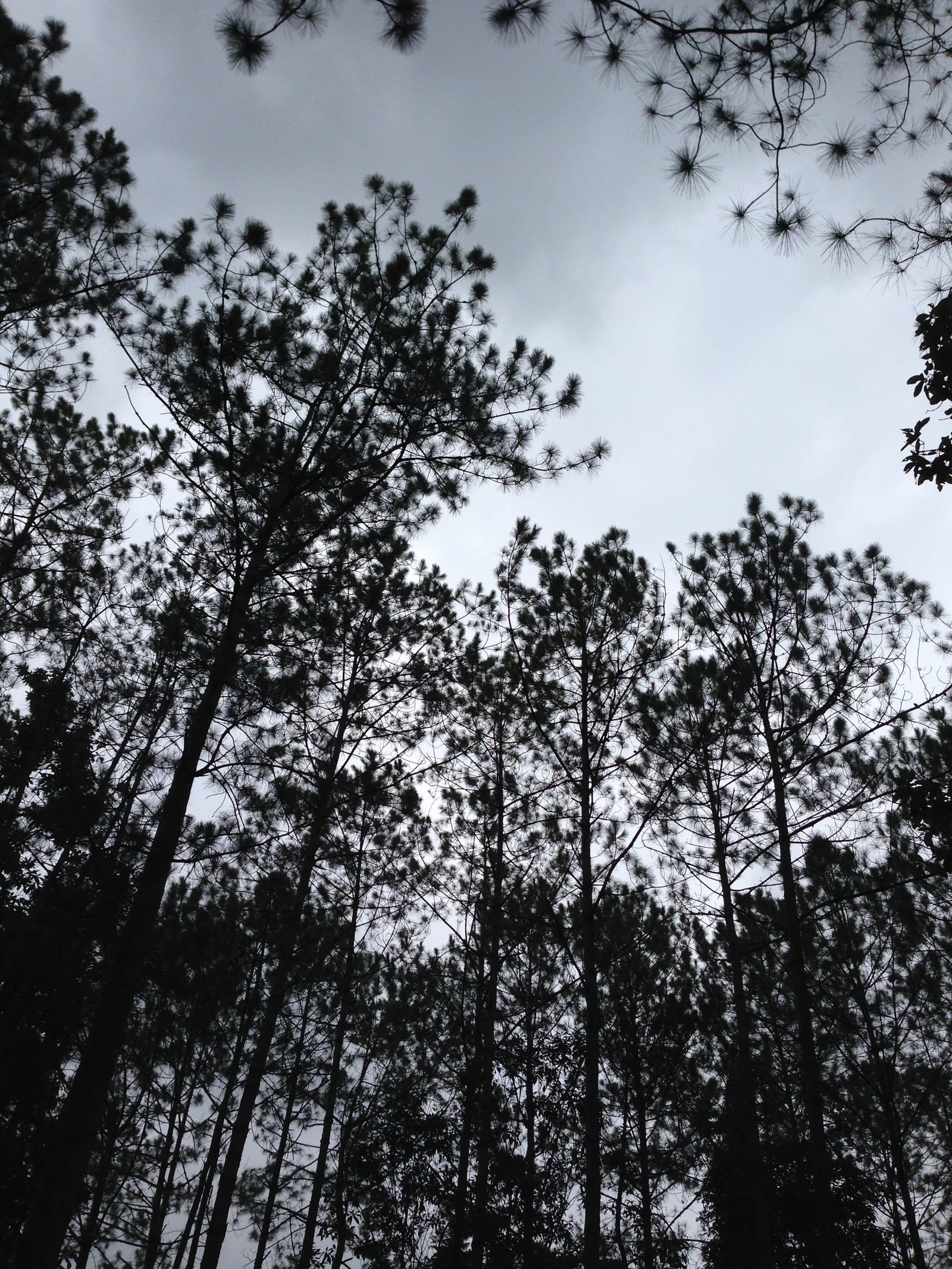
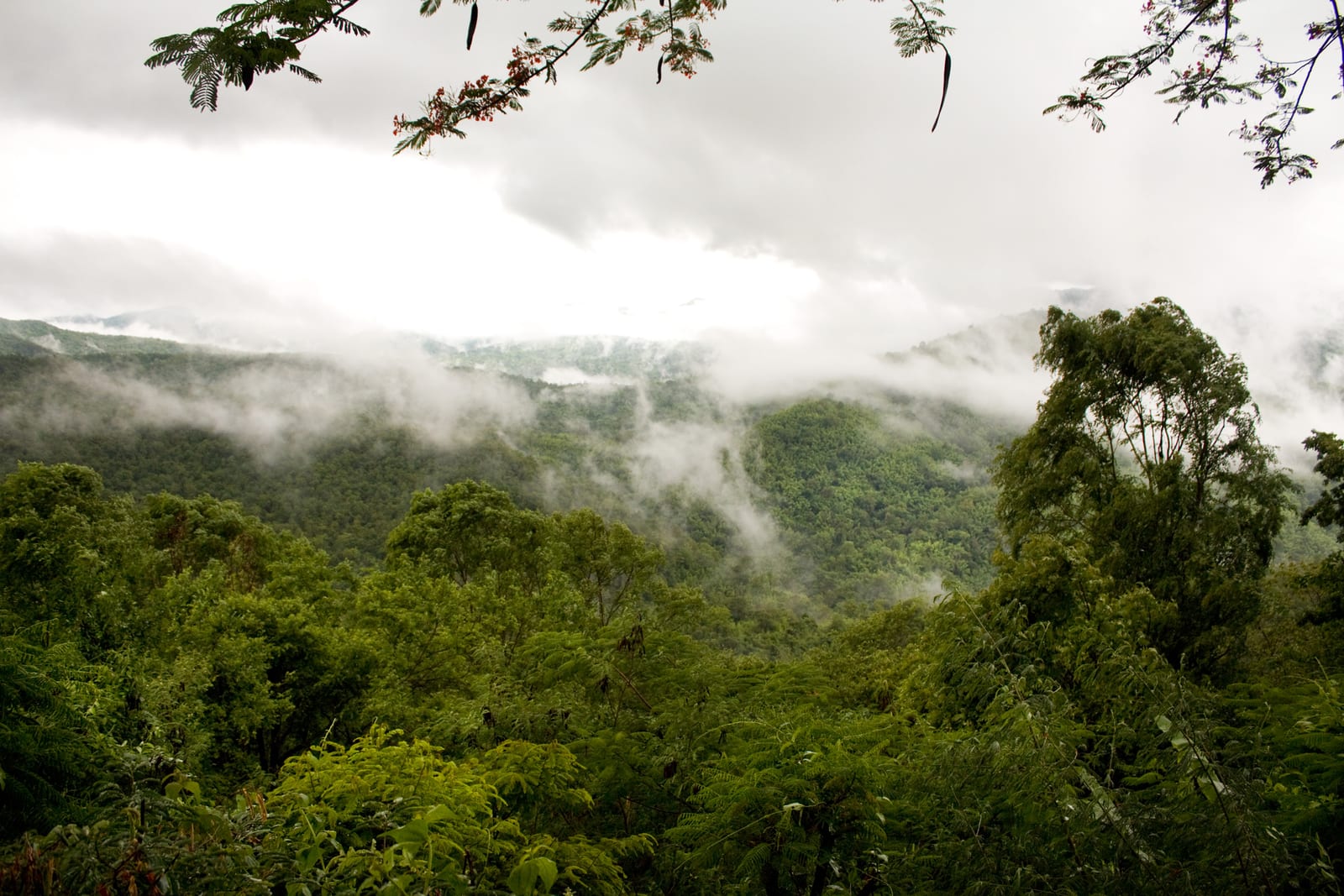
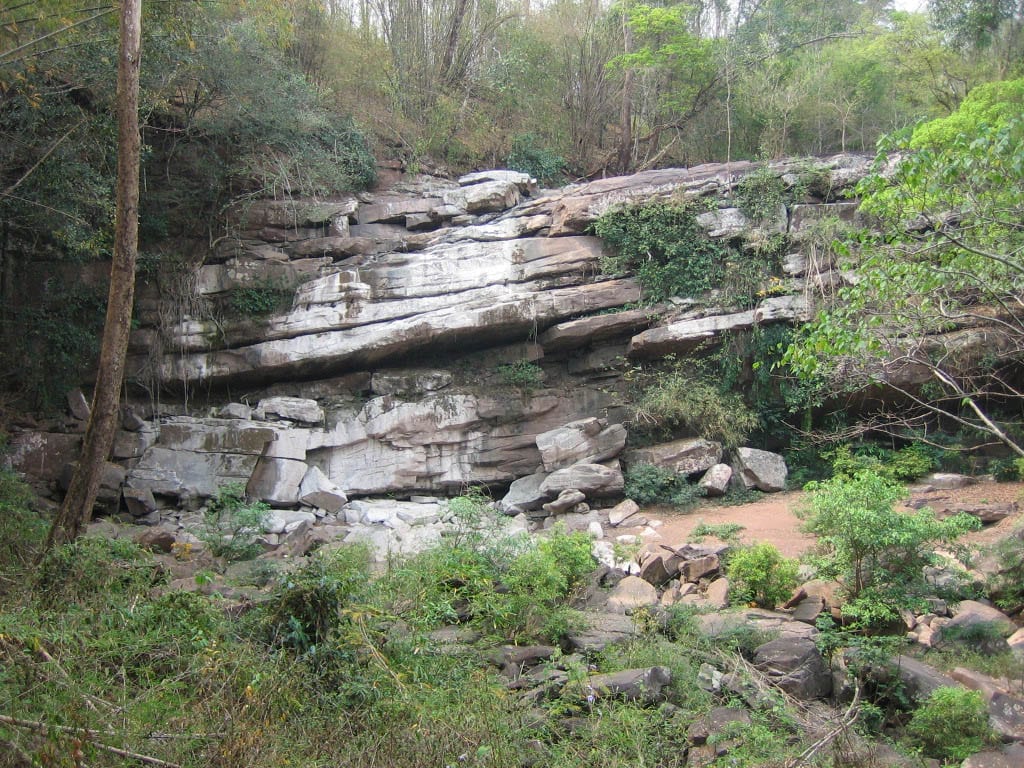
For cool air without a long flight, Nam Nao National Park is the answer many people overlook. The park straddles the mountain range between Phetchabun and Chaiyaphum provinces at 650–1,200 metres above sea level, keeping the air cool almost year-round. Dense forest lines both sides of the road through the park. It suits serious nature lovers, hikers, birdwatchers, campers, and families who want children breathing good mountain air. Google reviews give it 4.5 stars, citing it as one of the most intact forests in the region — home to over 300 bird species.
The highlights not to miss: the Phu Kho sunrise viewpoint, right along Highway 12, with a short walk to a sweeping mountain panorama — on clear days you can see all the way to Phu Kradueng and Phu Pha Jit. Then there's Pha Hong Cave for a sunset view, reached by climbing 259 steps, but the view from the top makes the effort worthwhile. Thum Yai Nam Nao (Big Cave) is worth exploring for cave lovers, and the Sai Thong and Hew Sai waterfalls offer hiking options. The atmosphere is quiet, nights are cool, and camping with the forest sounds around you is the reason many people return.
Entry fees: Thai adults THB 40, children THB 20; foreign adults THB 200, children THB 100. Bungalows and camping grounds with tent rentals are available at reasonable rates. Clean toilets. The park is in Nam Nao district, Phetchabun — convenient because Highway 12 runs directly through the middle of the park. Open daily. The most popular season is cool season from November to February when the cold is genuine. Long weekends fill up fast — book accommodation in advance.
One practical note: if you come in rainy season the trails have leeches — wear long trousers and ankle boots. Even if you visit in hot season, bring a jacket because nights at this elevation are much colder than the lowlands. Fill up on fuel before entering since petrol stations are far apart, and if you want to catch the Phu Kho sunrise get out of your accommodation well before dawn.
Ho Borankhadee Phetchabun Intrachai
If you want to understand Phetchabun in one place before heading out to explore, Ho Borankhadee Phetchabun Intrachai is an excellent starting point. The museum was created by Phetchabun Municipality inside the old provincial hall building (built in 1962) in the city center. When the provincial office moved to a new government complex, the old building was fully converted into an archaeology hall, officially opening in 2018. The name "Phetchabun Intrachai" comes from the royal title of Prince Phetchabun Intrachai, a son of King Rama V. The museum suits history enthusiasts, families with children who want an educational experience, and visitors who want a city overview before hitting the road.
The highlight most reviewers agree on is that it "exceeded expectations" — because the interior is not a conventional glass-display-case museum, but a modern multimedia exhibition. Rooms trace the city's story from prehistoric times through Khao Khana, Si Thep, Sukhothai, Ayutthaya, Rattanakosin, and into the present. The rooms not to skip: the "Phetchabun Kitchen" telling the story of the province's famous local dishes, the Thai cinema room with Phetchabun connections, the city pillar, and a replica old shophouse corner. Allow 1–2 hours to walk all rooms without rushing. Air-conditioned throughout. Staff are friendly and approachable, and reviewers consistently praise it as informative without being tedious.
Free admission — no ticket required. The museum also functions as the municipality's tourist information center, so you can ask for directions or local recommendations here too. Located in the old-town area of Mueang district — easy to reach, with parking and ramps for wheelchair access. Open Mon–Fri 08:30–16:30; Sat–Sun and public holidays 09:30–15:30.
The appeal is straightforward: it covers all of Phetchabun in one free, centrally located, climate-controlled space that's more engaging than you'd guess from the exterior. One thing to note: the Saturday–Sunday hours are shorter than weekday hours, so if you're visiting on a weekend, plan accordingly. Coming in the morning through to afternoon gives you enough time to walk every room without feeling rushed.
🎟️ Phetchabun Tours & Tickets — Covering More Ground with Less Stress
Phetchabun is rewarding to explore, but the highlights are spread across districts and up steep mountain roads. If you'd rather not drive up Khao Kho or Phu Thap Boek yourself, or you're traveling without a private vehicle, look for day-trip and driver-with-vehicle packages on Klook or GetYourGuide. Organized Khao Kho sea-of-mist tours cover multiple spots in a single day with a guide and local navigation taken care of, including attraction tickets and activities booked in advance so there's no queueing on arrival. Particularly suited to families and groups who want a smooth, stress-free experience. Compare prices and reviews before booking.
💡 Before You Go to Phetchabun
Phetchabun's attractions spread across mountains and multiple districts. Public transport is limited and ride-hailing barely exists on the mountains. Your own vehicle or a rented car with a driver is the most practical option. Organize your vehicle before heading up Khao Kho or Phu Thap Boek.
Temples, viewpoints, and Thai Lom Walking Street stalls mostly run on cash. Keep small notes handy for parking fees, tram rides, roadside food, and temple donation boxes. ATMs are easy to find in the city but thin out on the mountains.
The morning sea of mist on Khao Kho and Phu Thap Boek peaks from November to February. Get to the viewpoint or camping ground before sunrise — around 05:00–06:00 — for the thickest mist. Avoid weekends if you want fewer crowds.
The high elevations of Phetchabun are cool almost year-round, and genuinely cold in the mornings — especially on Phu Thap Boek. Bring a light jacket or fleece if you're camping or waiting for sunrise, even outside the cold season.
Wat Phra That Pha Sorn Kaew and other temples are active sacred sites with worshippers present. Cover shoulders and knees, remove shoes where indicated, and keep your voice down inside the ordination halls.
Beyond the main tourist spots, English signage and menus are scarce. Keep a translation app handy, or just point at what you want at the night market — it works. Most vendors are friendly and patient with visitors.
Getting the Most Out of Your Phetchabun Trip
Phetchabun rewards a zone-based approach. Dedicate one full day to Khao Kho — cover Wat Phra That Pha Sorn Kaew, the Wind Turbine Field, and Phra Borommathat Chedi Kanchanaphisek, since they're all in the same district and can be connected by car. Phu Thap Boek is out in Lom Kao district, significantly further away — treat it as a separate day or overnight stay so you're there for the morning mist. Si Thep Historical Park is in the far south of the province, about 130 kilometres from Khao Kho, and works better as a stop on the way from Bangkok than paired with a Khao Kho trip in a single day.
Mist is at its best from November to February. Wake up before dawn and get to the Khao Kho viewpoints or the Phu Thap Boek camping ground before sunrise to catch the thickest mist and best morning light. Midday, stop at a cafe like Pino Latte with a long-range view of Wat Pha Sorn Kaew. If you're there on a Saturday or Sunday, don't skip Thai Lom Walking Street in Lom Sak for an evening food walk with vintage pad thai and local dishes. On a hot day or rainy afternoon, Ho Borankhadee Phetchabun Intrachai museum in the city offers free, air-conditioned respite with a genuine history payoff. The mountain roads to Khao Kho and Phu Thap Boek are steep and winding — check your brakes and fill up with fuel before heading up.
You can hit several Phetchabun highlights in a day, but staying overnight on Khao Kho or Phu Thap Boek lets you wake early and reach the mist viewpoints before it lifts and the crowds arrive. Compare prices and reviews on mountain-view accommodation before you book.
🔍 Check Phetchabun Hotel Prices (Agoda)