🔄 Updated 21 Jun 2026
Uttaradit isn't a mainstream tourist destination, and that's exactly the upside: it's still quiet, and rooms and food are cheap. The trade-off is that you'll need to plan a little more than you would in a big city, because local public transport is limited and many of the nature spots sit well outside town. This guide will help you figure out when to go, how much money to bring, and what to carry so you don't get caught out.
The Best Time to Visit Uttaradit
The answer depends on what you're after. Uttaradit has two peak windows that deliver wildly different experiences. One is the cool season, with crisp air and a sea of mist up on the mountains. The other is fruit season, when you can eat Long-Lin durians and fresh longkong and langsat straight from the orchards. Picking the window that matches what you want from the start pays off.
November–January (Cool Season)
The best weather of the year: mild sun and comfortably cool nights, perfect for heading up Phu Soi Dao or Phu Miang for the early-morning sea of mist. December and January are the coldest months, with some nights up on the mountain dropping into the single digits. If you love camping under the stars and sitting by a fire, this is your window.
July (Long-Lin Laplae Durian Festival)
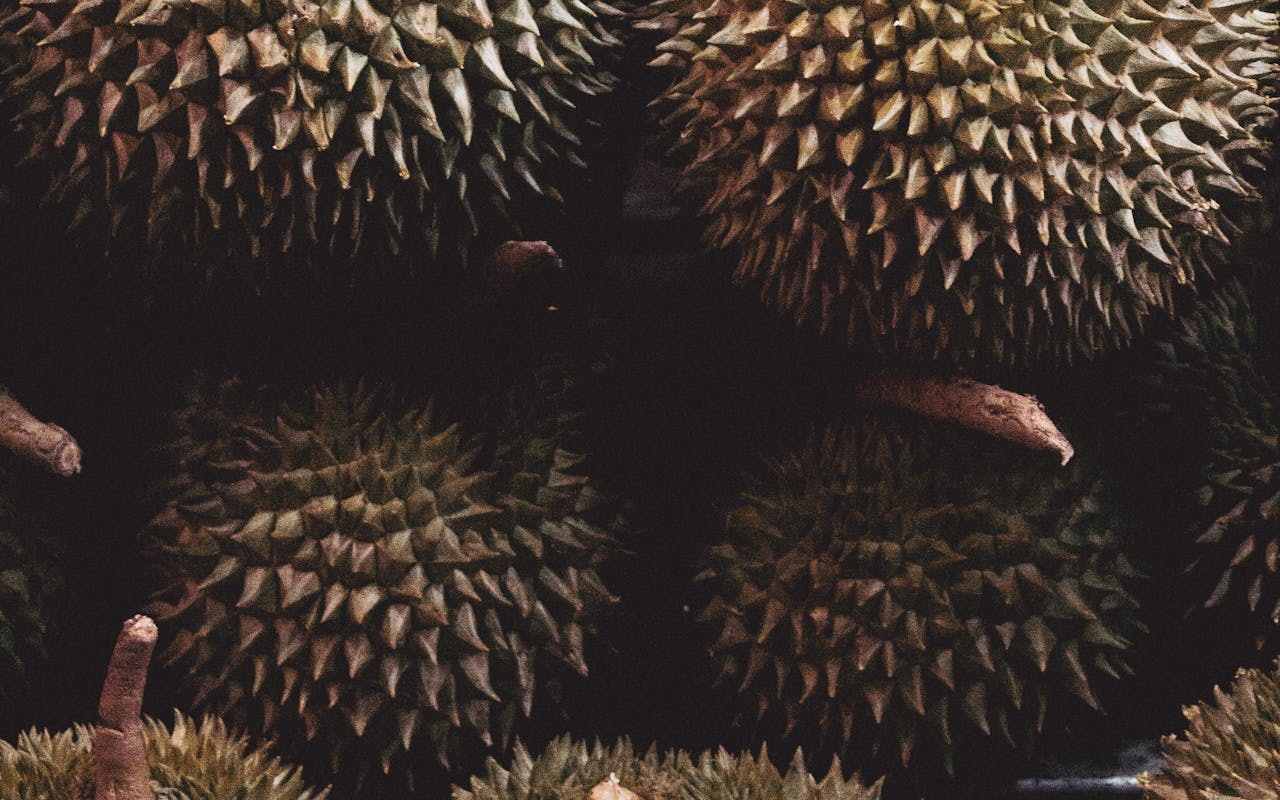
Long Laplae and Lin Laplae durians come in roughly April–August, peaking in July, when the Long-Lin Laplae durian festival is held at the central fruit market in Hua Dong, Laplae district. You can eat rare, dry-fleshed durian varieties at orchard prices, but be ready for rain since this is the wet season, and pack an umbrella.
September (Sweet Langsat & Longkong Festival)
Uttaradit's langsat and longkong are well known for their sweet, fragrant flavor. The Sweet Langsat & Longkong and OTOP festival runs around late September at the Phraya Phichai Dab Hak Stadium, with fresh fruit, OTOP goods, and local food to graze on. Great for anyone who loves markets and bringing home souvenirs.
February–March (Late Cool, Early Hot)
The weather's still bearable for sightseeing, crowds thin out, and rooms are easy to find. It's a relaxed time for temples, Laplae old town, and the Sirikit Dam without competing with anyone. The downside is that late March starts heating up, and some years bring haze and smoke from burning.
Quick Recap
Want the sea of mist and cool air? Go November–January · Craving Long-Lin durians? Go July · After langsat and longkong? Go September · If you just want an easy, low-crowd trip and don't care about the fruit, February works just fine.
How Much to Budget for Uttaradit
Good news: Uttaradit is a province you can travel on a modest budget. Rooms and food are still wallet-friendly. The figures below are rough per-person, per-day budgets, not counting travel from Bangkok, and they can climb during festivals when rooms fill up fast.
- Budget ~800–1,200 THB/day — a guesthouse or small in-town hotel at 500–700 THB, eating at local spots and markets, getting around by songthaew or motorcycle taxi.
- Comfortable ~1,500–2,500 THB/day — a mid-range hotel with a pool at 900–1,400 THB, renting a car or motorbike to explore on your own, and the occasional café or popular restaurant.
- Vehicle rental — a motorbike runs about 250–350 THB/day, a car about 1,000–1,500 THB/day (book ahead during festivals, since vehicles are limited).
- Entry fees — most temples are free · national parks like Phu Soi Dao charge entry in the low hundreds · Sirikit Dam is free to enter.
Carry Cash
Local restaurants, orchard markets, and most songthaews only take cash. PromptPay works at some shops but not everywhere, so keep a decent amount of cash on you. ATMs are around in town, but rare up on the mountains and out at the far orchards.
What to Wear, by Season
Uttaradit has both a hot, humid lowland town like the upper central plains and mountains that turn genuinely cold in the cool season. So what you wear comes down to where you're headed and which month it is.
Cool Season (Nov–Jan)
Daytime in town stays warm, but if you head up Phu Soi Dao or Phu Miang, the nights turn bitterly cold. Pack a thick jacket, a wool hat, gloves, and warm socks. If you're camping, bring a cold-weather sleeping bag too.
Rainy / Fruit Season (Jul–Sep)
Hot, humid, and wet. Bring breathable clothes, a folding umbrella or rain jacket, and shoes that won't be ruined when they get wet if you plan to walk the orchards, where the ground can be slippery.
Temples & Old Town
For Wat Phra Thaen Sila At, Wat Phra Yuen, and Laplae old town, dress modestly with shoulders and knees covered, and wear shoes that slip off easily since you'll need to remove them before entering the ordination halls and shrines.
SIM, Data & Signal
In town, in Laplae, and along the main roads, every carrier's signal works well, with 4G/5G smooth enough for maps and online payments. The trouble is more at the far-flung nature spots.
- Thai travelers — your current SIM works fine, no need for a new one. If you burn through data, add a weekly data pack before heading up the mountain.
- Foreign visitors — pick up a Tourist SIM from AIS, True, or dtac at the airport or a convenience store. It covers Uttaradit's main travel areas.
- On Phu Soi Dao, Phu Miang, and deep in the orchards — signal is weak to nonexistent in spots. Save offline maps and your destinations in advance, and tell someone back home or a friend when you'll be up on the mountain.
- Power bank — essential if you're camping, since charging points up on the mountain are limited.
What to Pack (Checklist)
Beyond season-appropriate clothes, there's another set of things that are hard to replace locally if you forget them, especially if the plan is to head up the mountain or visit orchards outside town.
- Personal and basic meds — antihistamines, painkillers, and mosquito repellent. There are plenty of mosquitoes up on the mountain and in the orchards.
- Cash — for shops that don't take transfers, and park entry fees that some spots take in cash only.
- Flashlight or headlamp — important if you're camping, since there are no lights along the trails up on the mountain.
- Warm / rain jacket — choose based on the month you're going (see the What to Wear section).
- Cooler bag or insulated bag — if you plan to buy durian or langsat to take home, it'll help the fruit last longer on the trip back.
- Sneakers / hiking shoes — for walking the mountains and orchards where the ground is uneven.
On Long-Lin Durians
Genuine Long-Lin Laplae durians are limited in supply and pricier than regular durians. Buying from the orchards or the Hua Dong central fruit market during the festival gets you the real thing at a better price than buying from a roadside stall. Ask the growers directly when they'll be ripe, since Long-Lin's dry flesh doesn't keep for long.
Getting There & Around Town
Uttaradit sits on the northern rail line, so getting there is easier than you'd think. But for getting around the province, having your own vehicle or a rental is by far the smoothest way.
- Northern train line — from Bangkok (Krung Thep Aphiwat Central Terminal) to Uttaradit station takes about 5–6 hours, with fares starting in the low hundreds depending on seat class. The overnight sleeper is handy if you don't want to lose a day of travel.
- Coach bus — from Mo Chit 2 (Chatuchak), several operators run the route, such as Transport Co. 999 and Nakhonchai Air, with fares from around 405 THB. You'll arrive at the Uttaradit bus terminal on Pad Wari Road, Tha It subdistrict.
- Driving yourself — the main highways are good, and it's the way to go if you're set on the mountains and out-of-town orchards that public transport doesn't reach.
- Around town — there are songthaews and motorcycle taxis, but they aren't frequent. Renting a motorbike or car is far more flexible, especially for Laplae or the Sirikit Dam.
Want a detailed, day-by-day Uttaradit itinerary?
See the Uttaradit travel guide →