🔄 Updated 21 Jun 2026
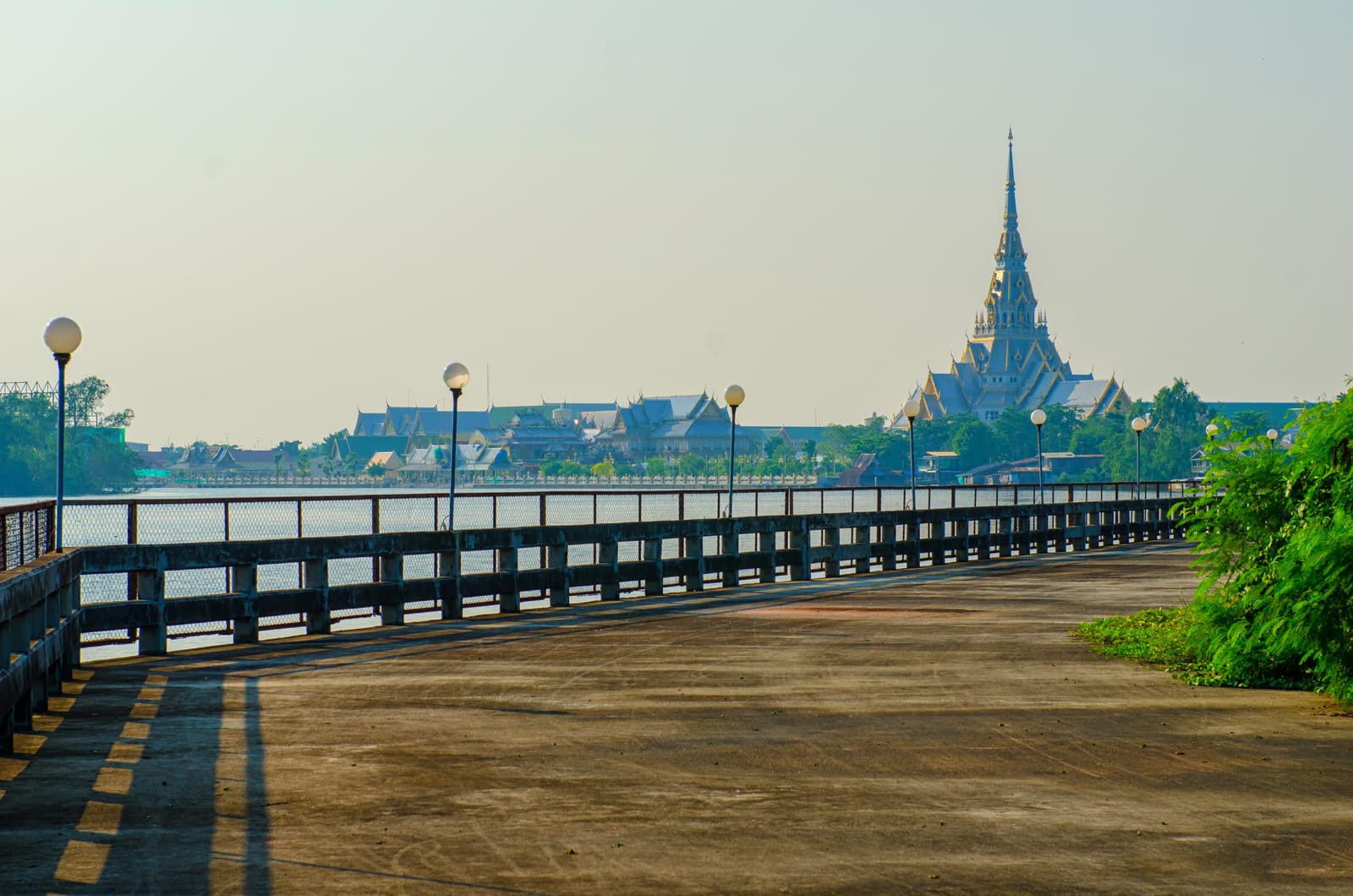
Wat Sothon Wararam is a royal temple set on the bank of the Bang Pakong River in Na Mueang sub-district, Mueang Chachoengsao district. It was originally called Wat Hong, an old temple dating back to the late Ayutthaya period, but most people simply call it Wat Luang Pho Sothon after its principal Buddha image, which is the heart of faith for people across eastern Thailand. Thousands stop by to pray every day, and on weekends and long holidays it's packed from early morning.
Who is Luang Pho Sothon, and why the devotion?
Luang Pho Sothon is a Buddha image in the meditation posture. Legend says it was originally a cast-bronze image that floated down the Bang Pakong River along with several sibling images; villagers brought it ashore and enshrined it at the temple. Later it was coated in stucco, lacquered, and gilded over the original to protect it from theft, becoming the golden image you see today — about 1.65 metres wide at the lap and around 1.98 metres tall.
People's faith in Luang Pho Sothon centres on asking for wishes to come true — for health, careers, studies, and business. Many who get what they prayed for come back to repay their vow, which has created a scene at this temple you won't see anywhere else.
Want more out of Chachoengsao? Book tours & activities
Booking online ahead on Klook or GetYourGuide is usually cheaper than the gate and skips the queue. Pick only the experiences you actually want — prices and availability are shown live on each site.
Two ordination halls — where and how to pray
One thing that confuses a lot of first-timers: the temple enshrines Luang Pho Sothon in two separate spots. It helps to know this before you go in, so you pray in the right place.
- The new ordination hall — a large Thai-style building topped with a golden crown, built around the original image so it never had to be moved. The genuine Luang Pho Sothon is enshrined inside, and you can go in to pay respects as usual — but no incense or candles are allowed inside to protect the murals and the image.
- The replica hall — right next door, enshrining a copy where you can light incense and candles and apply gold leaf as usual. Most people light incense and make their wishes here first, then go in to pay respects to the original.
- Inside the new hall — there are beautiful murals depicting the various levels of heaven and the cosmos. You can walk through quietly to admire them; it's a corner a lot of visitors miss.
A tip for praying
If you plan to do the full ritual with incense, candles, and gold leaf, go to the replica hall first, then walk over to pay respects to the original in the new hall. That way you won't have to double back.
Offerings and repaying a vow with boiled eggs
The basic offerings are incense, candles, flowers, and gold leaf, which you can buy from shops in front of and around the temple for just a few dozen baht. The signature way to repay a vow to Luang Pho Sothon is with boiled eggs. People whose wishes come true often return to repay the vow with a whole basket of boiled eggs; some repay with a hired ram-rong dance troupe out front, but boiled eggs are by far the most popular — so much so that they've become a fixture of the temple.
- Making the vow — make your wish clearly in your mind, stating exactly what you want and what you'll bring back to repay it, such as how many boiled eggs.
- Repaying the vow — once your wish comes true, return to repay it as promised. The temple has set spots for leaving offerings, whether eggs, fruit, or other items.
- Boiled eggs — you can buy them at the shops around the temple, so there's no need to bring them from home — handy if you only decide to repay once you arrive.
Opening hours and the best time to go
The temple is open for prayers daily: Monday–Friday 06:30–16:30 and Saturday–Sunday 06:30–17:00. To avoid the crowds, come on a weekday morning when it's still cool and easy to walk around. Weekends and public holidays are busy all day, though the lively atmosphere can be a plus if you like a bit of buzz.
Straight talk
Over New Year, Chinese New Year, and long holidays the car park fills up fast and traffic backs up in front of the temple. If you're coming on those days, allow extra time to find parking, or consider taking the train instead — it's far less stressful.
How to get to Wat Sothon
The temple is about 80 km from Bangkok and you can get there by car or by train. The most popular option is the train — it's cheap and the ride has plenty of character.
Train (cheap and scenic)
Take the Eastern Line from Hua Lamphong or Krung Thep Aphiwat Central Station and get off at Chachoengsao Junction. A 3rd-class ticket costs only tens of baht and takes about 1.5–2 hours. From the station, hop on a yellow songthaew that passes the temple for around 10 THB.
Private car
Take the motorway or the Bang Na–Trat highway toward Chachoengsao — about 1–1.5 hours if traffic is clear. There's parking both in front of and behind the temple, but it fills up fast on holidays.
Van / coach
Vans run from Victory Monument and the bus terminals to Chachoengsao town, where you can switch to a songthaew or a motorbike taxi to reach the temple.
What else to see around the temple
The nice thing about Wat Sothon is that it's right in town, so it's easy to carry on elsewhere. Many people make it a half-day temple trip, then follow up with food and markets.
- The market in front of and around the temple — plenty of food, souvenirs, drinks, and offerings for sale, and easy to find a bite to eat.
- Ban Mai Riverside Market on the Bang Pakong — a hundred-year-old riverside market with noodles, Thai sweets, and old-school coffee; busiest on weekends.
- Wat Saman Rattanaram (giant Buddha / reclining Ganesha) — in Bang Khla district, a favourite next stop for those into spiritual sites on the same trip.
- Riverside restaurants on the Bang Pakong — several spots where you can sit by the water and catch the breeze after praying.
Good to know before you go
- Dress modestly to enter the temple — it doesn't have to be formal, but avoid spaghetti-strap tops and very short shorts out of respect.
- Take off your shoes before entering the hall; bringing a bag for your shoes or carrying them with you gives peace of mind on busy days.
- Offerings and boiled eggs are available at the temple, so there's no need to bring your own.
- Late mornings on holidays are hot and crowded, so drink plenty of water and allow time for queues.
Plan a full day of temples, food, and sightseeing in Chachoengsao
See the Chachoengsao travel guide →