🔄 Updated 21 Jun 2026
Yasothon is one of five provinces sitting on the Thung Kula Rong-Hai plain, a vast expanse of more than two million rai that stretches across Maha Sarakham, Roi Et, Yasothon, Sisaket and Surin. The name of the plain sounds parched and barren, yet it grows some of the best jasmine rice in Thailand. Rice from here is registered as a Geographical Indication (GI) under the name Thung Kula Rong-Hai Thai Hom Mali Rice, and it's the souvenir people in Yasothon hand to guests with pride.
Why Thung Kula rice is softer and more fragrant
The fragrance of Thung Kula rice isn't luck — it comes from several conditions of soil and climate lining up just right. The soil here is sandy and slightly saline, hard to grow much else in, but that very stress pushes the rice plant to produce more aroma compounds than usual. Combined with the cool weather during the year-end harvest, the grains end up holding fragrance in every kernel.
- Sandy, slightly saline soil — the fairly stressful soil makes the plant produce the aroma compound (2-acetyl-1-pyrroline) more strongly, so the rice is fragrant even as raw, uncooked grain.
- One crop a year, rain-fed — it's a photoperiod-sensitive wet-season rice, planted in the rains and harvested in the cold season, with no rushed cycles, so the quality stays consistent.
- Drained before harvest — farmers let the water out of the fields about 10 days before cutting, which makes the grains clear and firm rather than chalky.
- Harvested in the cold season — the cool air at harvest time locks the fragrance into the kernel, so fresh early-season rice is the most aromatic of all.
What real rice eaters notice
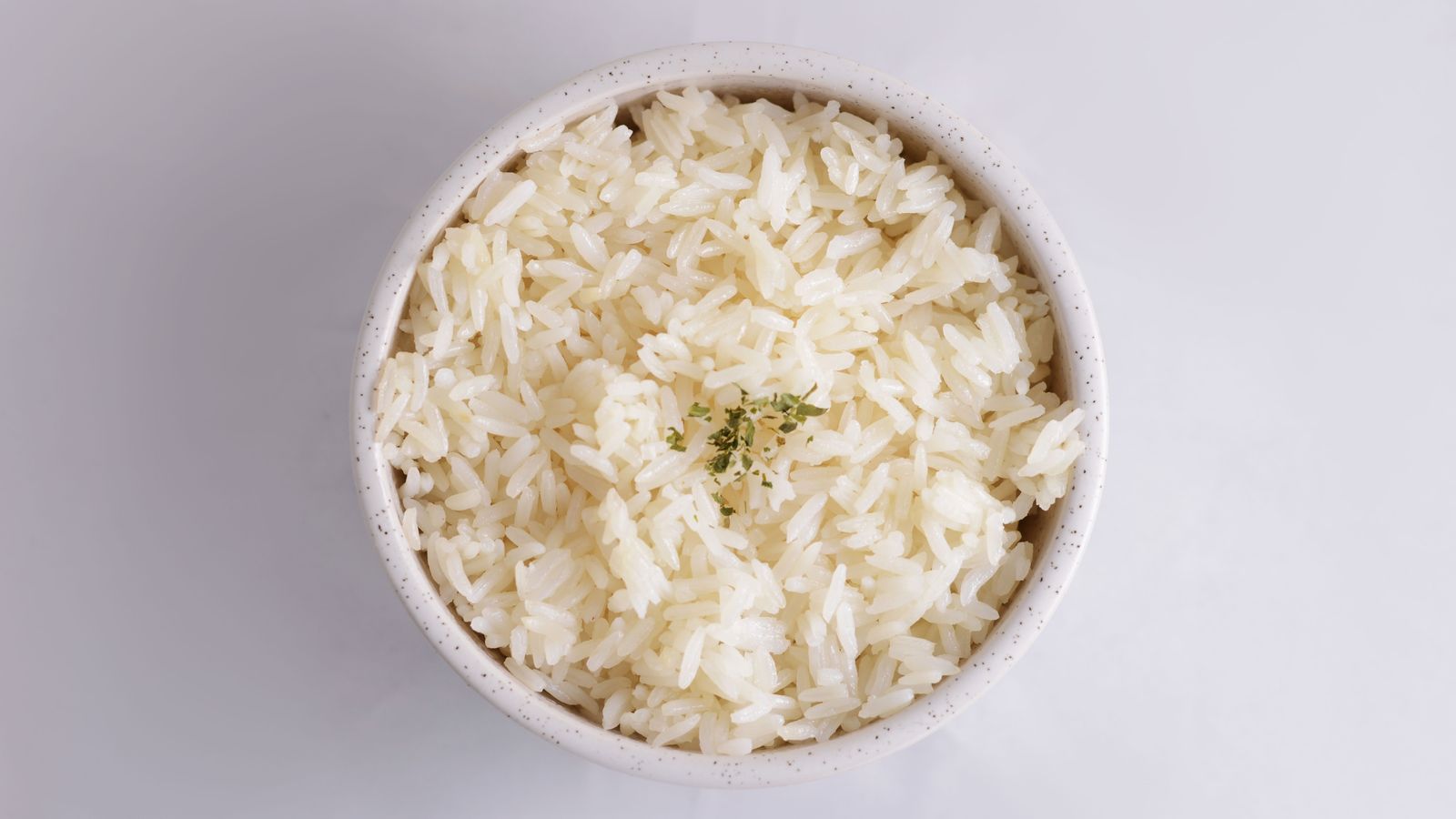
Genuine jasmine rice smells faintly of young pandan leaf as it cooks, and new-crop rice (harvested early in the season, from late in the year into the new year) is softer and more fragrant than older rice. Buy in the early part of the year and you'll usually catch the new crop just right.
Want to taste deeper? Try a Yasothon food tour or cooking class
Half a day with a local who knows the lanes — or cooking a dish yourself — teaches you more than just eating. Book ahead on Klook or GetYourGuide.
The rice varieties and what GI actually means
Thung Kula jasmine rice uses two main varieties, Khao Dawk Mali 105 and RD15, both true Thai jasmine rice strains. The term GI (Geographical Indication) means only rice grown in the Thung Kula Rong-Hai zone to the right standard can carry this name — much like Champagne that has to genuinely come from that region. That's why two seemingly identical bags can differ in price: the one with the GI mark usually costs more and guarantees where it was grown.
Yasothon has several groups doing serious organic rice. One of the better known is the Nam Om Sustainable Agriculture Community Enterprise network around Nam Om sub-district, Kho Wang district, which produces organic Thung Kula jasmine rice certified to several standards including Organic Thailand and international organic standards. This group focuses on chemical-free rice and exports.
How to pick rice without going wrong
- Match the type of rice to what you want — white jasmine rice cooks up soft and classically fragrant, while brown jasmine rice keeps the germ on, has a chewier bite, and carries more fibre and nutrients, which suits health-conscious eaters.
- Look for the GI mark or an organic certification — if you want the real thing with a clear origin, choose a bag that states Thung Kula Rong-Hai plus a certification mark.
- Check the milling date / new crop — the fresher the rice, the softer and more fragrant. Ask the seller which milling batch it's from; early in the season you'll get fresher stock.
- Pick a size that suits your luggage — if you're buying it as a carry-on souvenir, a 1–2 kg vacuum box or bag is easier to pack and won't spill.
- Smell it if you can open the bag — genuine raw rice has a soft fragrance even uncooked. If the smell is unusually strong, be wary of added scent.
Where to buy the rice and rice-based souvenirs
Jasmine rice isn't hard to find in Yasothon town — from community enterprise groups to OTOP souvenir shops to big supermarkets. Below are places you can actually buy it, ordered from genuine community produce to the most convenient one-stop options.
Nam Om Sustainable Agriculture Community Enterprise (Kho Wang)
Yasothon's organic Thung Kula jasmine rice group, certified to several organic standards. They have both white and brown rice in boxes, ideal if you want the genuine article straight from the source and a souvenir whose backstory you can actually tell.
Ban Si Than rice group (Pa Tio)
The Ban Si Than area is famous for triangle pillows, and a local group there also sells organic jasmine rice and three-colour brown jasmine rice alongside them. One stop gets you both rice and a triangle pillow to take home.
OTOP souvenir shops in Yasothon town
Souvenir shops around town usually carry jasmine rice in nice ready-to-carry bags, sitting next to other local goods like pickled fish (pla som) and triangle pillows. Convenient for grabbing everything in one place before you head off.
Yasothon Municipal Fresh Market
If you want local prices and freshly milled rice, take a walk through the town's fresh market, where stalls scoop raw rice by the kilo and you can ask the vendor straight up about new-crop rice. Better for buying to eat yourself than for nicely packaged gifts.
Seasonal paddy markets / rice fairs
Late in the year after the harvest, Yasothon often holds paddy markets and GI rice promotion fairs — a great moment to get new-crop rice straight from the farmers at good prices. If your trip lines up with this, count yourself lucky.
Big C / supermarkets in town
If you forget until the last minute, the big supermarkets in town stock Yasothon and Thung Kula jasmine rice from local brands in 5 kg bags — convenient and steadily priced, even if you miss the community atmosphere.
Getting it home in one piece
Raw rice is heavier than you'd think. If you're flying home, go for a 1–2 kg vacuum-sealed bag — easier to pack and keeps insects out. If you're buying several bags, leave room in your checked baggage allowance, or use a community group's shipping service to save yourself the hassle.
Cook it well and keep it fragrant
- Rinse gently — new-crop jasmine rice doesn't need hard washing through many changes of water; just rinse it clean enough so you don't wash away the fragrance.
- Use a little less water — new rice holds water well, so add slightly less than you would for older rice and you'll get soft, fluffy rice that isn't mushy.
- Let it rest before lifting the lid — once it's done, leave it in the pot for about 10 more minutes before fluffing, so the grains settle nicely and soften all the way through.
- Store somewhere dry and sealed — keep it in an airtight container away from moisture and sunlight to preserve the fragrance and keep weevils out.
Thung Kula jasmine rice makes a good souvenir precisely because every household actually uses it: it's inexpensive, keeps for a long time, and carries the story of the plain along with it. Take some home to cook yourself or give to elders and it works either way. If you have time to stop by one of the community groups, you'll see where it comes from and support the farmers directly.
Plan more of your eating-and-exploring trip in Yasothon
See the Yasothon travel guide →