🔄 Updated 21 Jun 2026
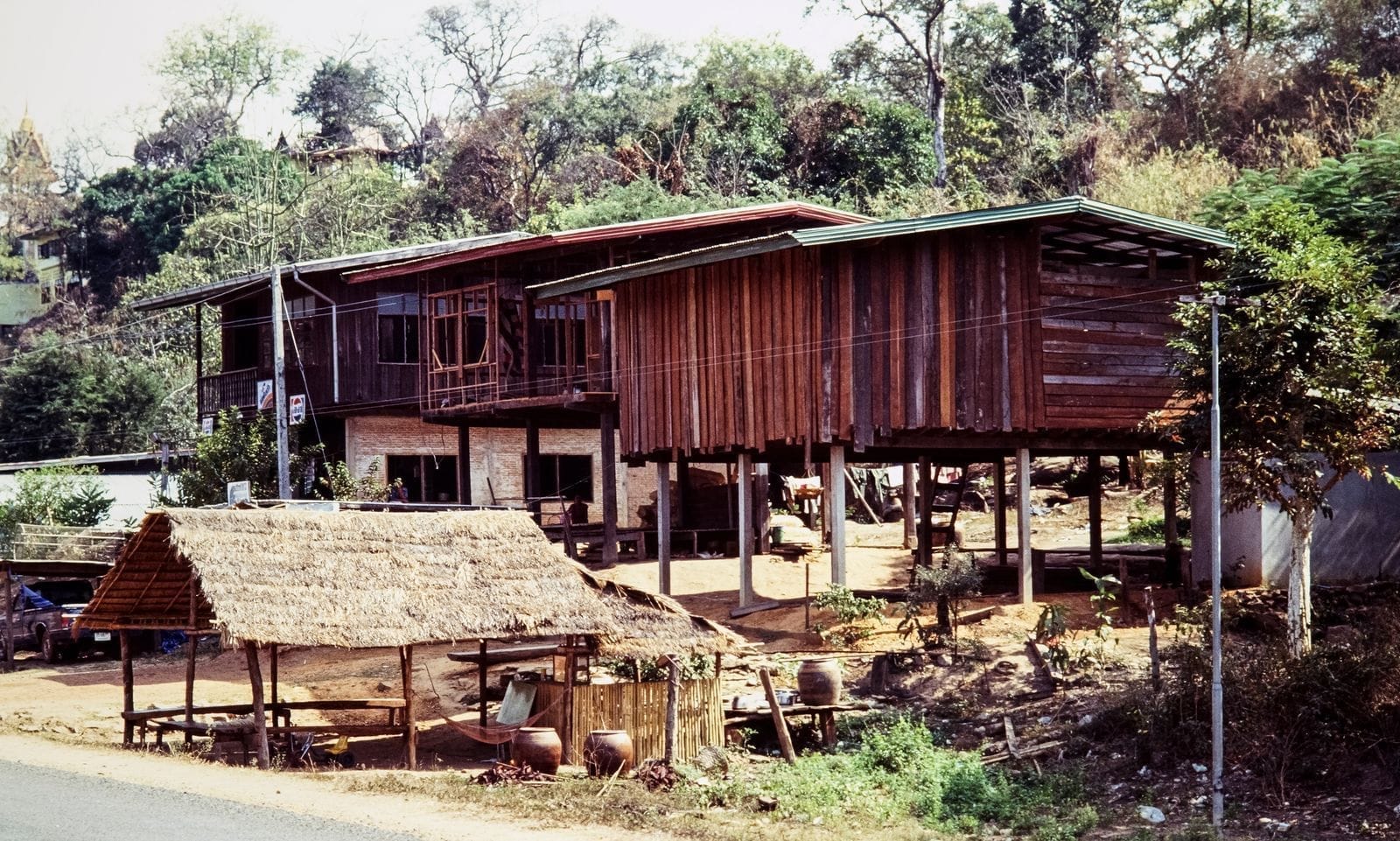
Phrae has been tied to teak for a long time, both the old logging trade and the old wooden houses you still see around town. Ban Prathapjai is one of the examples still in good shape and open to the public. What people remember it for is the posts, because whole teak logs were used to make them rather than the thin sawn timber of an ordinary house, and there are 130 in total, which is why everyone calls it the Hundred-Pillar House.
Why visit Ban Prathapjai
The appeal here is getting to see real teak craftsmanship at a scale you rarely come across, from the huge posts you can't get your arms around to the furniture and decorative pieces throughout, all carved from teak. Head up to the second floor and you'll find old household items, photos of the earlier owners, and corners that tell the story of how people in Phrae lived back then. It's a quick stop, but you come away having seen something memorable.
- 130 teak posts — whole teak logs stood up as posts, each one around 300 years old
- All-teak house — the building is made entirely of teak, with several northern-style roofs running together
- Carved throughout — furniture, doors, and decorative pieces in finely carved teak
- Antiques and photos — the upper floor displays household items and the owner family's story
- Souvenir corner — the ground floor has the ticket desk and Phrae woodcraft souvenirs
Want more out of Phrae? Book tours & activities
Booking online ahead on Klook or GetYourGuide is usually cheaper than the gate and skips the queue. Pick only the experiences you actually want — prices and availability are shown live on each site.
The story of Ban Prathapjai
Construction of the house began around 1972 and was finished in 1976 by the owner, Mr. Kitja Chaiwannakhup, who designed and laid it all out himself without hiring an architect. The house came together gradually, built up and extended by combining several old wooden houses into one. The standout choice was using large teak logs as the posts — old, aged wood that gives the house a solid feel and real value as a piece of woodwork.
These days the house still belongs to the same family, and part of it is open to visitors like a small museum. Locals consider it the teak-craft landmark of Phrae, the kind of place most first-time visitors to the city stop by.
Hours, entry fee, and what to know
- Hours — daily, 8:00 AM–5:00 PM
- Entry fee — Thai visitors 15 THB · foreign visitors 20 THB
- Location — Pa Maet subdistrict, Mueang Phrae district, along Highway 1023 (Phrae–Long)
- Time needed — about 30–45 min to see it all, good as a stop along the way
- Contact — tel. 054-511008, 054-511282
Before you go
The house is made of old wood and has stairs up to the second floor, so shoes that slip off easily are handy, since you have to take them off before going up in several spots. Mornings are better too, when the sun isn't harsh yet and the posts and the house photograph nicely.
Nearby spots to keep the trip going
Ban Prathapjai isn't far from central Phrae, and it pairs neatly into a half-day trip with the town's woodcraft houses and old temples. These are the places people like to add on.
Khum Chao Luang Phrae
A former governor's mansion blending European and Lanna styles, with handsome woodwork and architecture, set in the old town.
Teak houseBan Wongburi
A pink teak house with finely fretworked trim, another Phrae woodcraft home you shouldn't skip.
Important templeWat Phra That Cho Hae
Phrae's guardian temple, with a golden chedi that people like to pay respects at alongside the trip.
Getting to Ban Prathapjai
- Private car — from central Phrae take Highway 1023 (Phrae–Long), about 10–15 min, with parking out front
- Rental motorbike — the easiest way to get around Phrae, rentable by the day in town and simple to ride on to other spots
- Songthaew / taxi — you can hail one from town, but it's best to arrange a pickup time, since not much traffic passes by
Plan a trip around Phrae — the teak town, old temples, and local eats
See the Phrae travel guide →