🔄 Updated 21 Jun 2026
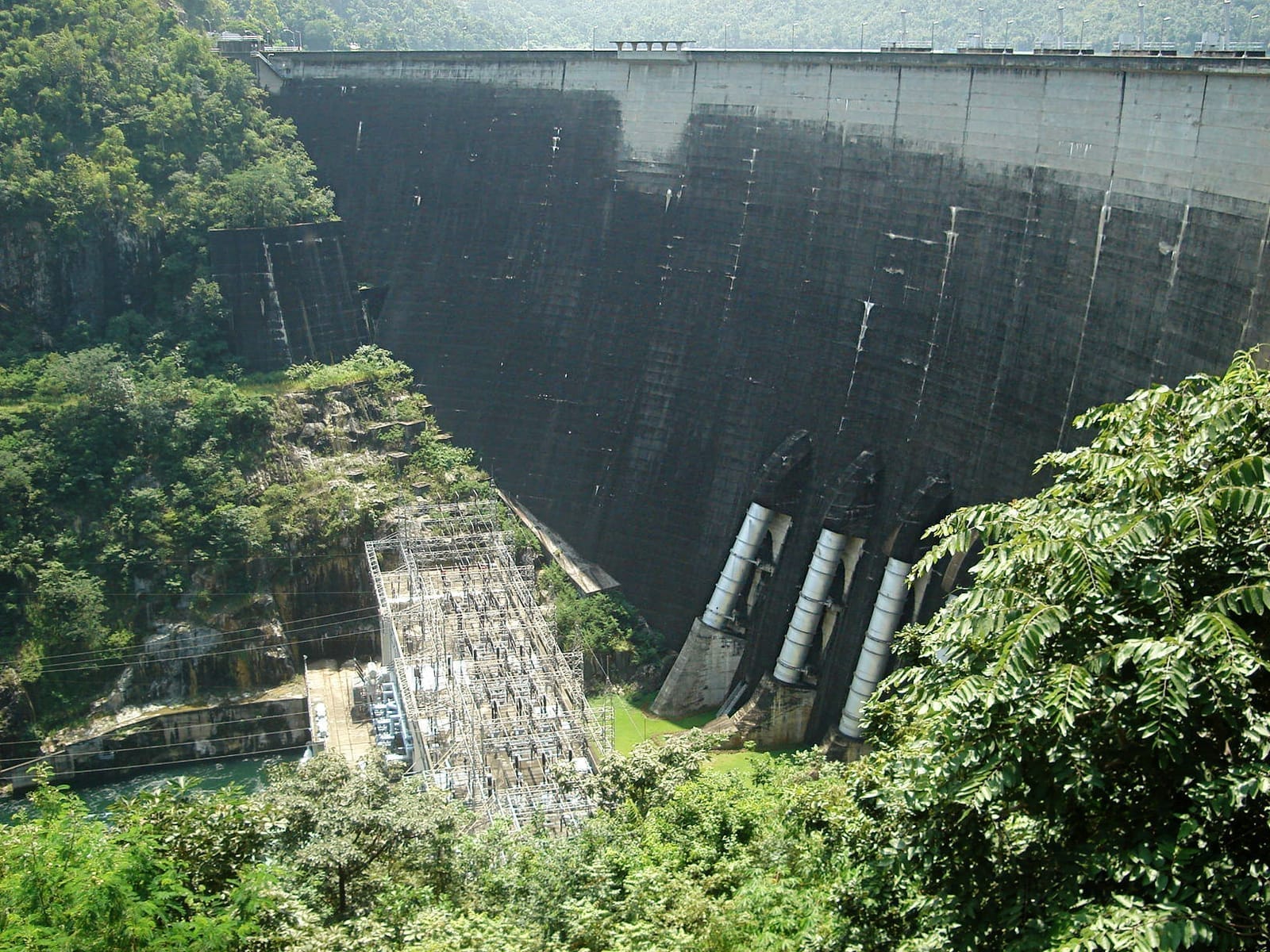
When people talk about Thailand's big dams, Bhumibol is one of the first names that comes up. It's a concrete arch dam, about 154 metres from base to crest and roughly 486 metres long, holding back the Ping River since 1964. It was originally called Yanhee Dam before being renamed Bhumibol Dam. The draw here isn't really the dam wall itself, but the huge reservoir behind it — emerald-green water in the cool season, and islands out in the middle that you can only reach by boat.
What to do at Bhumibol Dam
A lot of people assume a trip to the dam means snapping a photo at the wall and heading home. In reality there's a range of things to do, from an easy day trip to spending the night on a houseboat out on the lake.
- Walk the dam crest — stroll along the crest, almost half a kilometre long, with the reservoir on one side and the valley below the dam on the other. It's the shot everyone comes here to get.
- Boat out to Valentine Island — a sandy island in the middle of the lake with clear water, good for swimming and camping. The name comes from its heart-like shape seen from above.
- Doi Khao Nam Buddha footprint — a Buddha footprint on an island in the lake, a spot for paying respects and taking in the wide view over the whole reservoir.
- Crest at sunset — late afternoon the light reflects beautifully off the water, and people like to sit out and catch the breeze before heading back.
Hours and admission
The dam is open to visitors daily, roughly 8am–6pm. Walking the crest and visiting the dam itself are free; boat trips are a separate cost that varies by operator. The prettiest time to come is the cool season, November to February, when the air is cool and the reservoir turns deep green.
Want more out of Tak? Book tours & activities
Booking online ahead on Klook or GetYourGuide is usually cheaper than the gate and skips the queue. Pick only the experiences you actually want — prices and availability are shown live on each site.
Boating the reservoir above the dam
The real highlight of a Bhumibol Dam visit is getting out onto the lake, because the best views are out over the water, not from the road. Boats leave from a pier near the dam, and it's about 30 minutes each way to Valentine Island or the Doi Khao Nam Buddha footprint. There are two main ways to do it, depending on your budget and group size.
Private boat day trip to the islands
Charter a boat from the pier near the dam and run out to Valentine Island and the Doi Khao Nam Buddha footprint — swim, pay your respects, and head back the same day. Good if you're short on time or travelling in a small group. The price is per boat, so it works out cheaper split among the group. Call the pier ahead to ask about prices and departure times.
Houseboat package to Doi Khao Nam
A towed-houseboat package that takes you to pay respects at the Buddha footprint on the island, with several meals served along the way. Starts around 650 THB per person, usually with a minimum of about 30 people. Good for large groups, big families or company trips.
Houseboat package to Valentine Island
Similar to the Khao Nam package but focused on swimming and staying on Valentine Island. Starts around 700 THB per person, meals included, with a minimum of about 30 people as well. You get the full experience of eating and sleeping out on the lake.
Long houseboat cruise: Tak–Doi Tao–Chiang Mai
A long route for anyone with time to spare — cruise by houseboat from the Tak side up to Doi Tao in Chiang Mai province, taking several days through valley and reservoir views the whole way. Good for groups after something different; book ahead directly with the houseboat owner.
How to book a boat or houseboat with confidence
Most houseboat packages are run by local operators who take bookings by phone or Facebook page, such as Mae Ping Resort houseboats and Phet Mae Ping houseboats. Prices and menus shift with group size and season, so call to check before you travel every time, and ask clearly whether life jackets, meals and island entry are all included.
Getting to Bhumibol Dam
The dam is in Sam Ngao district, about 60 km from Tak town — an easy drive of roughly an hour on good roads with signs the whole way. Without your own car it gets harder, since public transport doesn't reach the dam conveniently, so a rental or a chartered car from Tak town is the more practical choice.
- Own car — from Tak town take Highway 1 (Phahonyothin Road) to around the 463–464 km mark, then turn onto the road to the dam for about another 17 km. It's clearly signed.
- From Bangkok — drive north on Highway 1 to Tak, around 420–430 km total, roughly 5–6 hours, then continue on to Sam Ngao.
- No car — take a coach or minivan to Tak town first, then rent a car or charter a local vehicle to the dam, since public buses don't reach the dam conveniently.
- Pair it with more of Tak — Bhumibol Dam pairs well with Tak's old town or a temple stop along the way in a single trip.
Where to stay around Bhumibol Dam
If you want to stay overnight near the dam there are a few options, from the quiet EGAT guest lodges inside the dam grounds to a houseboat out on the lake where you wake up to water and mountains.
EGAT guest lodges in the dam grounds
Guest lodges and dorm houses run by EGAT (the Electricity Generating Authority of Thailand) inside the dam area, roughly 800–1,500 THB per night for the smaller units, with larger group dorms costing more depending on numbers. It's quiet and restful — book ahead, especially in the cool season.
Houseboats on the lake
Stay on a houseboat run by one of the boat-trip operators and wake up to reservoir and mountain views. These usually come as a package with meals and an island boat trip, and work best for groups.
Resorts and lodging on the Sam Ngao side
Small guesthouses and roadside resorts around Sam Ngao district, good if you'd rather have your own car to come and go from the dam. Prices are easygoing.
Before you go
The dam sits in a valley, so phone signal can be weak in spots. Bring cash to be safe — plenty of shops and boat operators don't always take transfers. In the cool season mornings and evenings get chilly, so pack a windbreaker. If you're going out on the water, wear a life jacket and watch your belongings near the edge.
Plan a full Tak trip — where to stay, where to eat and what to see
See the Tak travel guide →