🔄 Updated 21 Jun 2026
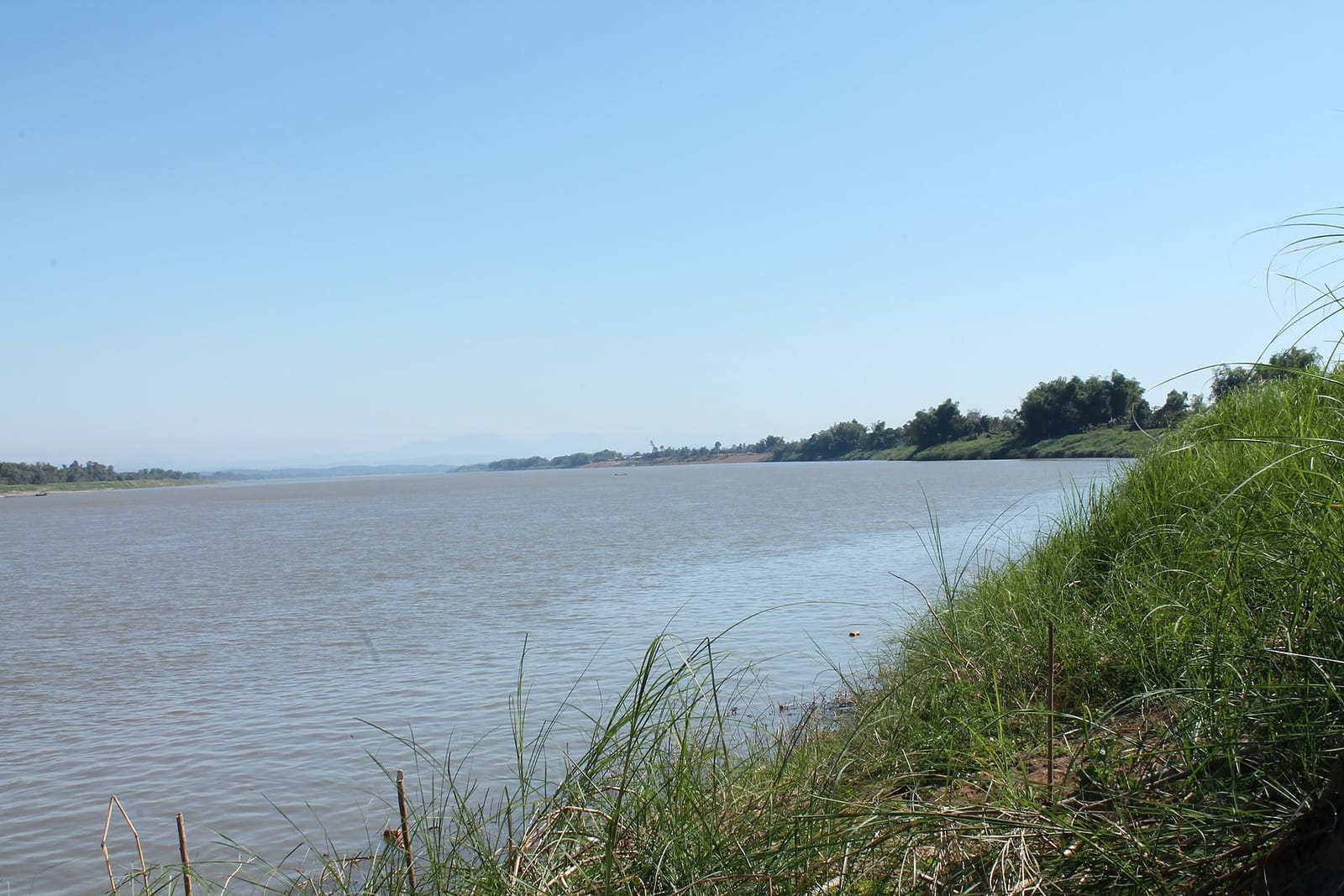
Bueng Kan sits at the far north of upper Isan, on the Mekong across from Bolikhamsai province in Laos. The town itself is small and quiet, but the standout sights are spread across the outer districts — especially Bueng Khong Long district and the Seka–Bueng Khong Long area, home to Naka Cave, Three Whale Rock, and Phu Thok. These three spots are the main reason people travel this far to reach Bueng Kan. On a first visit, getting your head around just a few of these basics makes planning a whole lot easier.
How far is Bueng Kan, and how do you get there?
The first thing to make peace with is that Bueng Kan really is far — about 750 km from Bangkok, and it still doesn't have its own airport. So most people fly into a neighbouring province and continue by car, or take a direct coach from Bangkok. Pick whatever suits your budget and time.
- Fly to Udon Thani + drive on — the most popular option. Bangkok–Udon Thani flights run all day, around 1 hour, then it's about another 220 km from Udon Thani to Bueng Kan, roughly 3.5 hours. Many people rent a car at Udon Thani airport and drive, or charter a van.
- Fly to Nakhon Phanom + drive on — Nakhon Phanom airport is about 210 km from Bueng Kan town. Good if the flight times line up better, though there are fewer flights than to Udon Thani.
- Coach from Bangkok — air-conditioned coaches run from the new Mo Chit terminal (Mo Chit 2 bus station) direct to Bueng Kan, taking about 10–11 hours. Most are overnight services, ideal if you want to save money and skip the transfers.
- Self-drive — about 9–11 hours from Bangkok, via Saraburi–Korat–Khon Kaen–Udon Thani–Nong Khai, then along Route 212 hugging the Mekong into Bueng Kan. Having your own car is by far the easiest, since the sights are in different districts and public transport within the province is very limited.
Getting around the province
Bueng Kan has no public transport system that conveniently links the sights. If you're not driving yourself, the best bet is to rent a car in Udon Thani and drive over, or book a tour / charter a car with a local driver — because Naka Cave, Three Whale Rock, and Phu Thok are all well outside town and tens of kilometres apart from each other.
Book the activities in your Bueng Kan trip ahead
Booking online ahead on Klook or GetYourGuide is usually cheaper than the gate and skips the queue. Pick only the experiences you actually want — prices and availability are shown live on each site.
Naka Cave needs a booking — this is the big one
Naka Cave sits inside Phu Langka National Park and is the highlight most first-timers come to Bueng Kan specifically to see. But you can't go up without a booking — the park caps daily numbers to protect the trail. First-timers miss this often enough that they end up wasting the trip, so we've broken it out into its own section.
- Book through the QueQ app only — the park takes advance bookings through the QueQ app. You must enter the real first and last name of each person going up; you can't send someone else in your place. Slots fill fast on long weekends and Saturdays–Sundays, so book ahead.
- Some walk-in quota exists — besides the app bookings, there's a quota for people who register on site, but it isn't guaranteed. If you've come a long way on purpose, locking a slot in the app first is the safer bet.
- Volunteer guides lead the way — going up the cave means going with a volunteer the park assigns; the fee is by donation as you see fit. The trail involves a fair climb, so bring shoes you can hike in.
- The cave closes in the rainy season — Naka Cave usually closes for nature recovery around 1–31 May each year, and may close further if the rain is heavy. Always check Phu Langka National Park's announcements before you plan.
Don't fall for tours claiming they'll book for you
The park warns that if you book through a group or company that isn't an official Phu Langka channel and you don't have a valid booking record, you may not be allowed into the cave. If you do use a tour, ask clearly whether they're booking the QueQ slot in your own name.
Three Whale Rock and Phu Thok — how do you get up?
- Three Whale Rock — three huge rock outcrops lined up like a pod of whales, inside Phu Sing National Reserved Forest. To reach the viewpoint you have to take a local villagers' vehicle (a pickup or local tour truck), because the track is steep and unpaved — you can't drive a sedan up yourself. Go at dawn for a shot at a sea of mist if the sky cooperates.
- Phu Thok (Wat Chetiya Khiri Wihan) — a sandstone peak with wooden walkways spiralling up 7 levels, all built by hand. Open roughly 06:30–17:00, free entry, dress modestly as it's a temple area. The upper levels are narrow and high, so anyone scared of heights should think it over before going up.
- Both spots are in a different district from Naka Cave — Three Whale Rock, Phu Thok, and Naka Cave are spread across the south of the province, tens of kilometres apart. Plan your route well so you're not doubling back.
What season is best for Bueng Kan?
The most comfortable time is the cool season, around November–February — cooler air makes the climbs much less of a slog, and you've got a chance at the sea of mist at Three Whale Rock. Early in the year through February is the busiest because Naka Cave is so popular and slots fill fast, so book ahead. The rainy season (June–October) brings lush green rice fields and water in the Phu Wua waterfalls, but the climbs get slippery and Naka Cave usually closes around May. Always check the weather and park announcements before you go.
Bueng Kan food first-timers shouldn't miss
Bueng Kan sits on the Mekong and has had a long-established community of Vietnamese descent, so the food blends pure Isan, Mekong river fish, and homely Vietnamese cooking. Here's the kind of thing worth trying — for standout spots in each category, see our full Bueng Kan food guide.
Kuay Jab Yuan
The signature breakfast of the upper-Isan Mekong area: soft rolled rice noodles in a clear bone broth, dusted with pepper, eaten with minced pork, egg, and offal to taste. Bueng Kan has several morning spots for it around town.
Homely Vietnamese food
Nam neung, moo yor, fresh spring rolls, pan eggs — found all over town thanks to the long-standing Vietnamese-descended community. The flavours aren't strong, good for anyone who doesn't eat spicy, and it makes a light late-morning or lunch meal.
Mekong river fish
Bueng Kan sits where the Mekong runs nicely deep, so the fish is firm and sweet. Riverside spots do grilled fish, tom yum, and blanched-with-dip dishes depending on what's in season. A proper feast worth having at least once.
Som tam, larb & bold Isan food
This is Isan through and through — som tam, larb, koi, grilled pork neck with sticky rice are easy to find in every neighbourhood, punchy and authentic. Good for lunch before a climb.
Moo kratha — the social dinner
The dinner locals in Bueng Kan meet up over. Buffet moo kratha spots with friendly prices are scattered around town — a satisfying, good-value fill after a full day out.
Riverside walking-street street food
On Saturday evenings there's a walking street / night market along the Mekong in town. Plenty to graze on as you stroll — savoury, sweet, and grilled — with a cool breeze and river views.
Sun-dried & fermented fish souvenirs
Mekong river fish, processed — sun-dried fish, pla som, and seasoned pla ra. These are the town's signature edible souvenirs, found at markets and gift shops.
Cafés & Mekong-view coffee
The town has a growing crop of newer cafés and Mekong-view coffee shops — good for a break out of the sun in the afternoon, or to wait for softer light before shooting photos by the river.
How many days do you need in Bueng Kan?
Because the sights are well out of town and far apart, plus the long journey to get here, rushing it usually isn't worth it. 2 days, 1 night is the minimum to cover the three main spots — Naka Cave, Three Whale Rock, and Phu Thok — without being too rushed, and it's the plan we recommend for first-timers. 3 days, 2 nights is far more relaxed, leaving time for the Phu Wua waterfalls, Bueng Khong Long, riverside temples, and the food. It's ideal if you've flown into Udon Thani and want the trip to feel worth the travel.
Suggested first-timer plan — 2 days, 1 night
This plan is built for first-timers with a car (self-driven or chartered). Day one hits Naka Cave while your energy is full, then continues to Phu Thok and riverside food. Day two starts at dawn at Three Whale Rock for the mist, before picking up a riverside temple and souvenirs on the way out. Travel time between spots is already built in.
Naka Cave + Phu Thok + riverside
Three Whale Rock + riverside temple + souvenirs
Adjust the plan to your energy and Naka Cave slot
If your Naka Cave slot is in the afternoon, swap it around — do Phu Thok or Three Whale Rock first in the morning, then enter the cave in the afternoon instead. If you're with older relatives or kids, skip the topmost levels of Phu Thok and lean on the riverside temple and food instead. If you genuinely only have time for one spot, make it Naka Cave — it's the reason people come to Bueng Kan.
Little things first-timers tend to forget
- Carry cash — the outer sights, the volunteer donation, the vehicle fee up Three Whale Rock, and many local shops take cash only. Don't rely on cards or scan-to-pay alone.
- Bring hiking shoes — Naka Cave and Phu Thok involve real climbs. Wear trainers or shoes with good grip and skip the flip-flops.
- Start the day early — both Three Whale Rock (mist) and Naka Cave (early slots, not hot) are best in the morning. Build your schedule so you can get up early.
- Check park announcements before you go — Naka Cave and the natural sights may close by season or weather. Check the Phu Langka and Phu Wua National Park pages before locking in your dates.
- Mobile signal is patchy — some points inside the parks have weak signal. Download maps and your booking details before you set off.
Ready to go? Check out the full Bueng Kan guide, or find a well-located place in town to stay the night.
See the Bueng Kan travel guide →