🔄 Updated 21 Jun 2026
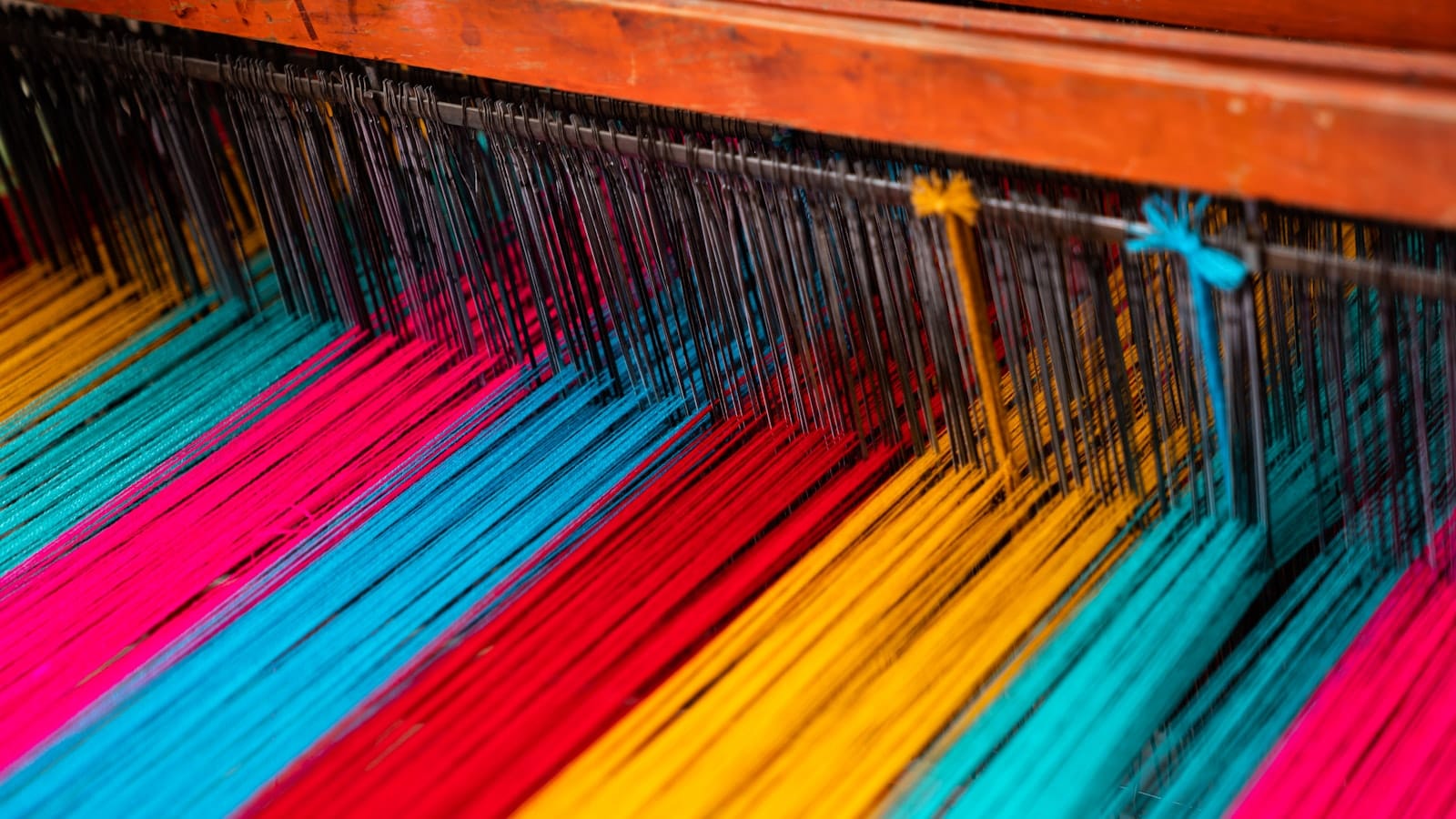
If you've heard the words "Praewa silk" but can't quite place it on the map, the answer is Kalasin, specifically Ban Phon in Kham Muang district, a Phu Thai village that has woven Praewa cloth for generations, until it earned support from Queen Sirikit's SUPPORT Foundation (the Arts and Crafts project) back in 1977. We've designed this trip as a full immersion in Phu Thai culture, from watching the weaving process to actually spending the night with local families.
The two main pins of the trip are Ban Phon (Kham Muang) in the north of the province and Khok Kong (Kuchinarai) in the southeast. Both are Phu Thai communities but with different vibes: Ban Phon is known for its cloth, Khok Kong for its way of life and nature. Splitting it into two days works out better than cramming it all into one.
Who this trip is for
- Craft and handwoven-textile lovers — you want to see Praewa being woven for real, not just buy the finished cloth
- Culture and community travelers — you want to sleep in a homestay, eat Phu Thai food, and chat with locals
- People with their own car — the two villages are in different districts, public transport barely reaches them, and a car is by far the easiest
- Anyone who wants souvenirs with a story — Praewa silk and indigo-dyed cotton, bought straight from the weavers
Before you set off
Weaving centers and community homestays usually want you to call and book ahead, especially if you want to see a weaving demonstration, the Phu Thai dance, or a pha laeng spread, since the villagers need to arrange people. If you show up without booking, you may only find the cloth shops open as usual, with no performance.
Book the activities in your Kalasin trip ahead
Booking online ahead on Klook or GetYourGuide is usually cheaper than the gate and skips the queue. Pick only the experiences you actually want — prices and availability are shown live on each site.
Day 1 — Ban Phon, Kham Muang: following the Queen of Silks
In the morning you head out from Kalasin town toward Kham Muang district, around 80 kilometers, roughly 1.5 to 2 hours of driving. The destination is Ban Phon, the Praewa silk weaving village that is the source of the province's most beautiful cloth.
Ban Phon, Kham Muang — Praewa silk
What to know about Praewa cloth before you buy
Handwoven pure-silk Praewa takes a very long time to make, so the price is genuinely high. Don't be alarmed if a finely detailed piece touches the tens of thousands. Cloth that's very cheap is usually synthetic silk or machine-woven. If you want the real thing, ask the seller straight out whether it's handwoven pure silk, and buying from a shop within the community gives you more confidence.
Day 2 — Khok Kong: sleep in a Phu Thai home, share pha laeng, watch the dance
The Khok Kong Phu Thai cultural village sits in Kut Wa subdistrict, Kuchinarai district, a community that still holds onto Phu Thai ways fairly tightly: the language, the dress, the food, and the dancing. If you booked the cultural package the night before, you'll usually get a pha laeng dinner (a spread laid out on the floor and shared together) along with a Phu Thai dance performance by the villagers.
Khok Kong, Kuchinarai — the Phu Thai way of life
What is pha laeng?
Pha laeng is a Phu Thai dinner spread laid out on the floor, where guests and hosts sit in a circle and eat together. It's a warm welcome, often paired with folk dancing and music. If you want the full version, tell the homestay when you book that you'd like the cultural package, since they need to prepare it in advance.
Phu Thai dishes worth trying
Sticky rice + jaew bong
Sticky rice is the Phu Thai staple, eaten with jaew bong (a roasted pla ra chili dip) that's savory and well rounded
Pickled greens / som phak
Local pickled vegetables with a gentle sourness that cuts the richness, a standard side for every spread
Seasonal forest fare
In the rainy season villagers gather vegetables and mushrooms from the forest for simple, lightly seasoned dishes built on fresh ingredients
Pha laeng
A Phu Thai welcome spread laid out on the floor and eaten in a circle, best tried as your evening meal at the homestay
Rough budget per person (2 days, 1 night)
- Homestay + meals — around 400–700 THB/person (including the pha laeng dinner and breakfast, depending on the package you book)
- Meals during the day — around 200–300 THB for meals outside the homestay
- Fuel/travel — budget 300–500 THB per person if split among 4 people in the car
- Souvenirs/cloth — from a few hundred THB (small items) to several thousand or even tens of thousands if you go for pure-silk Praewa
- Budget total (not counting a large piece of cloth) works out to around 1,200–1,800 THB/person
The best time to go
Cool season (November–February) has lovely weather and easy walking. The rainy season (July–September) brings green fields and pretty waterfalls, but the forest trails get slippery. The dry season is hot and the waterfalls run dry. If you want to see the full Phu Thai dance, the community's festivals and merit-making events are livelier than ordinary days.
Things to know before you go
- Call ahead to book both the weaving center and the homestay, especially if you want a demonstration or performance
- Bring cash — many shops in the community still don't take cards; cash and PromptPay are easiest
- Dress modestly as a sign of respect to the community and your hosts, especially when entering the cultural center or joining a ceremony
- Respect the weavers — always ask permission before photographing them or the weaving process
- Having your own car is best — the two districts are far apart, public transport is hard to connect, and taxis/Grab are scarce outside town
Keep planning your Kalasin trip — dinosaurs, the Lam Pao Dam, and local eats
See the Kalasin travel guide →