🔄 Updated 21 Jun 2026
Khao Lak is for people who want the Andaman Sea quieter than Phuket — no buzzing nightlife, no shoulder-to-shoulder beaches, just long sandy stretches, good sunsets, and beachfront resorts across a range of price points. Most people come for three main reasons: to relax on a long beach, to use Khao Lak as a base for diving trips to the Similan and Surin Islands, and to see the tsunami memorial that's such an important part of this area's memory. Plan it well and you can fit all three into one trip.
Where Khao Lak is and what it's like
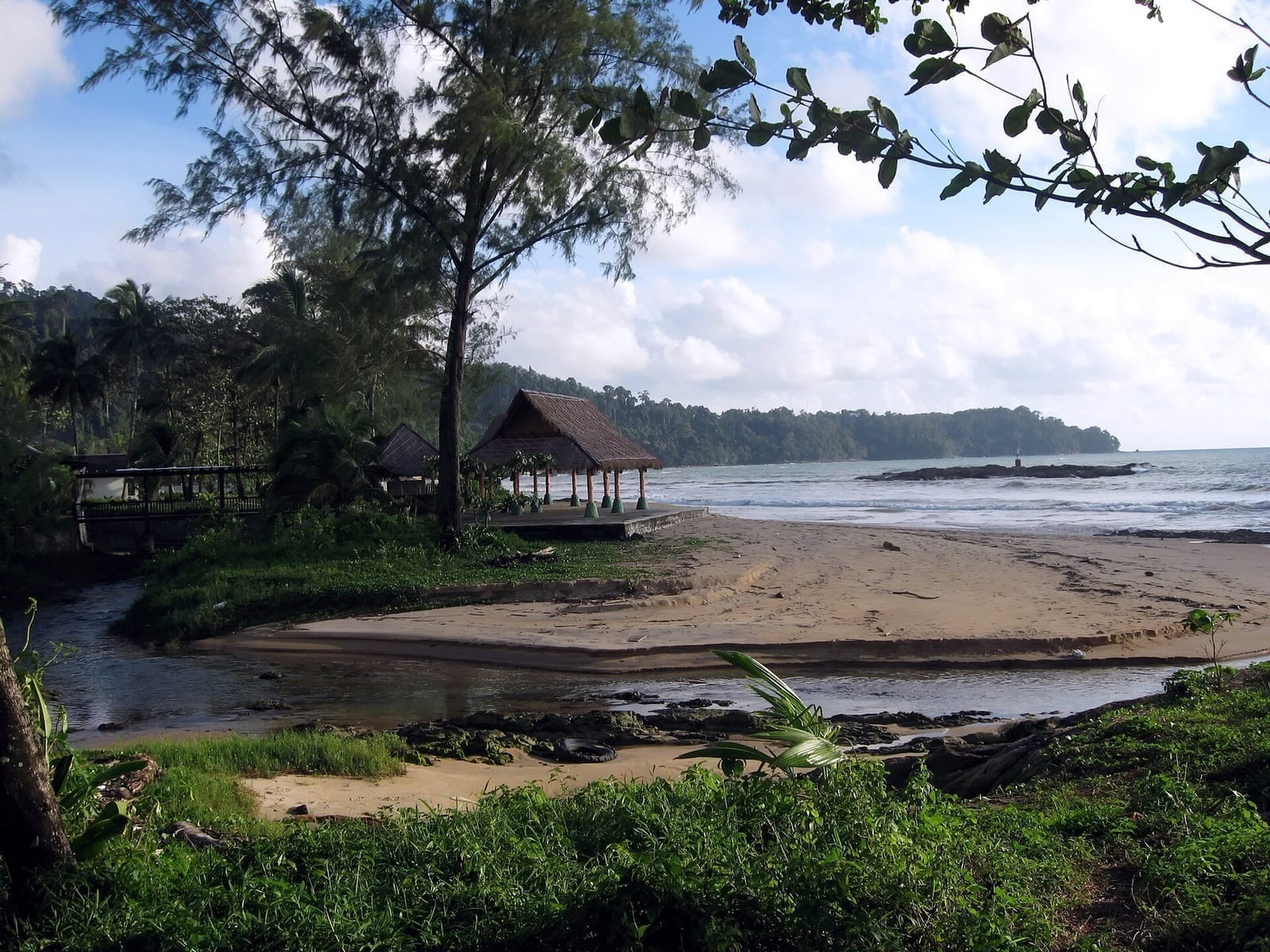
Khao Lak is the name for a stretch of Andaman coastline covering Takua Pa and Thai Muang districts in Phang Nga, north of Phuket. It's about an hour and a half to two hours' drive from Phuket airport. The main tourist area runs along Phetkasem Road hugging the coast, with several beaches linked together. The ones where most visitors stay are around Bang Niang and Nang Thong beaches. The name "Khao Lak" itself comes from the rocky cape to the south, inside Khao Lak–Lam Ru National Park, which has a viewpoint and a Thai-style sala by the sea.
Want more out of Phang Nga? Book tours & activities
Booking online ahead on Klook or GetYourGuide is usually cheaper than the gate and skips the queue. Pick only the experiences you actually want — prices and availability are shown live on each site.
Which beaches Khao Lak has
Khao Lak isn't a single beach but a long shoreline split into several stretches, each with its own feel. These are the main ones people actually go to, roughly from north to south.
Bang Niang Beach
The main beach for international visitors, with golden-brown sand and a long stretch you can keep walking. It's lined with beachfront restaurants, bars, and resorts, and sits near Bang Niang Market and the shophouse street. Good for people who want a calm beach that still has places to eat and wander — not too deserted.
Nang Thong Beach (Black Sand Beach)
People talk about this one because parts of the sand turn nearly black from minerals left behind by the old tin-mining days, which makes photos look different from a typical beach. It's quieter than Bang Niang with gentle waves, good for an evening stroll, photos, and watching the sunset.
Khao Lak Beach (inside the national park)
The southernmost stretch by the rocky cape inside Khao Lak–Lam Ru National Park — part rock, part sand. There's a viewpoint on the cape with a wide look over the Andaman, plus a sala and a nature trail. Better for people who like the views than for swimming.
Khuk Khak–Pakarang Beach
The northern beach zone where several upscale resorts sit. The beach is long, quiet, and uncrowded — good for people who've booked a beachfront resort and mostly want to stay put rather than head out anywhere.
About the waves and seasons
The sea on the Khao Lak side is calm and easy for swimming during the dry season, roughly November to April. During the monsoon, around May to October, the waves get strong and some days have red flags banning swimming. If you come in monsoon season, always check the flags and listen to your resort's warnings before getting in the water.
The T.813 tsunami memorial boat
This is the place many people come to Khao Lak specifically to see. The patrol boat T.813 (Bureratphadungkit) was a marine police vessel anchored near shore on the day the tsunami hit, 26 December 2004. The force of the waves carried the entire boat roughly 2 km inland. Afterward it was left at the spot where it came to rest and turned into a memorial, so people can see with their own eyes just how powerful the waves were. It stands at Ban Bang Niang in Khuk Khak subdistrict, Takua Pa district.
- Entry fee — free, no admission charge
- Opening hours — daily, roughly 08:30–18:00
- What there is to see — the large boat preserved where it ran aground, with a grassy area around it and signs telling the story. It doesn't take long to walk through
- Atmosphere — this is a place of remembrance, so dress modestly and behave respectfully while you're there
What this place means
This memorial isn't a fun photo spot — it remembers the many people who died in the disaster. If you're here with kids, use the chance to talk about the tsunami and disaster preparedness. Nearby there are also museums and other memorial spots in Khao Lak that tell more of the story.
Which zone to stay in and how to pick a resort
Accommodation in Khao Lak runs from guesthouses in the low hundreds of baht to beachfront resorts at several thousand a night, mostly lined up along the shore. Which zone you pick comes down to the kind of atmosphere you want. Here's a rough guide.
Bang Niang Beach zone
Good for people who want a calm beach but easy access to restaurants, markets, and massage shops. There's accommodation at every level, and it's the closest base for visiting the T.813 boat and Bang Niang Market. Best for first-timers.
Nang Thong–Khuk Khak zone
Quieter, with several beachfront resorts — good for couples or families who mostly want to stay at the resort, relax, and watch the sunset rather than head out anywhere.
Near Thap Lamu Pier zone
Further south toward Thai Muang — good for people coming mainly to dive the Similan and Surin Islands, since you can catch the early boat easily without an extra-early start to drive to the pier.
Book ahead in high season
The Similan open season (roughly mid-October to mid-May) is Khao Lak's high season. Good beachfront resorts fill up fast and prices climb, especially around New Year and Songkran. If your plans are set, book ahead. In monsoon season prices drop a lot, but some resorts close for renovation and the sea isn't swimmable every day.
Thap Lamu Pier: gateway to the Similan and Surin Islands
One big reason people choose to stay in Khao Lak is to use it as a base for diving trips to the islands out in the Andaman. Ban Thap Lamu Pier, in Lam Kaen subdistrict, Thai Muang district, sits not far south of Khao Lak and is the main speedboat departure point for both the Similan and Surin Islands. Nearly every tour operator runs a van to collect you from your Khao Lak resort and bring you to the pier before you board.
Similan day trip
Speedboat from Thap Lamu out to the Similan Islands, the clearest water in the Andaman. Snorkeling plus the Sail Rock viewpoint on Island 8 — open only in the dry season. Starts around 1,800–3,000 THB per person.
Snorkeling · quietSurin day trip
The Surin Islands get fewer people than the Similans, with healthy shallow-water coral and a Moken village. Good for people who want a quieter sea. Boats leave from Thap Lamu or Khura Buri pier as well.
Scuba & liveaboard trips
For certified divers, there are both day trips and overnight liveaboards out at sea, with several dives a day and access to the northern zone that day-trip boats can't reach.
Check the open season before planning
The Similan and Surin Islands are national parks that close to recover during the monsoon, generally open around 15 October to 15 May. If you come to Khao Lak in the rainy season you won't be able to take boats out to the offshore islands. Before booking accommodation specifically to dive, check that year's official park opening announcement from the National Parks department first.
What else there is to do in Khao Lak
- Khao Lak–Lam Ru National Park — a viewpoint on the rocky cape, nature trails, and several waterfalls inside the park such as Ton Chong Fa and Lam Ru. Good for nature lovers
- Bang Niang Market — a roadside market near Bang Niang Beach with food, local products, and souvenir stalls. Nice to wander in the evening
- Tsunami museums & memorial spots — beyond the T.813 boat, Khao Lak has other memorial spots that tell the story and show images from the event
- Elephant & animal farms — there are elephant camps and farms around Khao Lak. If you go, choose one that treats its animals well and takes welfare seriously
- Beachside spa & Thai massage — Khao Lak has plenty of massage shops and spas at reasonable prices, good for winding down after a swim or a day of diving
How to get to Khao Lak
Khao Lak has no airport of its own. Most people fly into Phuket airport and continue by road. Some fly into Krabi airport or take a car from Phang Nga town. Here are the main options.
- From Phuket airport — the most common route. Drive or take a transfer, roughly an hour and a half to two hours. Many resorts offer an airport transfer service
- Van or bus — vans and coaches run the Phuket–Khao Lak–Takua Pa–Ranong route along Phetkasem Road; you can get off around Bang Niang
- Self-drive rental — the most convenient if you want to visit several beaches and head out to waterfalls or the national park. The coastal road is easy to drive, but watch for the hill curves and rain
- From Phang Nga town or Krabi — you can connect by road, but it takes longer with fewer services than the Phuket route. Good for people who've already toured mainland Phang Nga and are continuing on to Khao Lak
A sample Khao Lak itinerary
If you're coming to Khao Lak to relax plus dive, a 3-day, 2-night plan is about right — enough for the beaches, the memorial, and one day out to the offshore islands. Adjust around the Similan opening dates and the weather.
Arrive in Khao Lak, hit the beach and memorial
Similan or Surin day trip
Easy nature before heading home
Straight talk
Khao Lak suits people who want a quiet sea and a slow pace. If you like buzzing nightlife, lots of shops, and walking around all night like in Patong, this place may feel too quiet for you. And if you're coming to dive the Similans, check carefully that you're arriving while the park is open, because during the rainy season boats can't go out at all. The beaches in Khao Lak are pretty in a quiet way, but in places the sand is brown, and in monsoon season the waves are strong and you can't swim every day. People who want white sand and clear water like in the photos will find it from the offshore island trips — not always from the beach in front of the resort.
Plan your whole Phang Nga trip — offshore islands, inland sea, and southern food
See the Phang Nga guide →