🔄 Updated 21 Jun 2026
Plenty of people know Koh Lipe as a clear-water island for snorkeling, but deeper down it's a scuba destination divers fly in for on purpose. The draw is variety: pink-and-purple soft coral reefs that newer divers can handle easily, all the way to deep pinnacles with strong current and a real shot at big pelagics. All of it sits in and around Tarutao National Park.
What diving Koh Lipe is like, and who it suits
The charm here is that there are sites for every level within a short boat ride. Shallow, clear sites suit people who just got certified or want a first try-dive, while open-ocean pinnacles like Eight Mile Rock are for experienced divers with a fair number of logged dives. Water stays warm almost year-round, around 27–30°C, and visibility in high season is usually 10–25 m, though it depends on current and the tide.
- Beginner / no card — start with a Discover Scuba try-dive, or take Open Water on the shallow sites around Koh Lipe
- Open Water certified — fun dives on reefs and mid-level pinnacles, roughly 12–18 m deep
- Advanced and up — Eight Mile Rock and the Yong Hua wreck, strong current, 28 m and deeper, with a chance at big fish
Want more out of Koh Lipe? Book tours & activities
Booking online ahead on Klook or GetYourGuide is usually cheaper than the gate and skips the queue. Pick only the experiences you actually want — prices and availability are shown live on each site.
Top dive sites around Tarutao and Koh Lipe
The dive sites are spread around Koh Lipe, Koh Adang, Koh Rawi, and further out to the south. Most shops run 2–3 dives a day depending on weather and current. Here are the sites people talk about most, ordered from easiest to reach to hardest.
Stonehenge
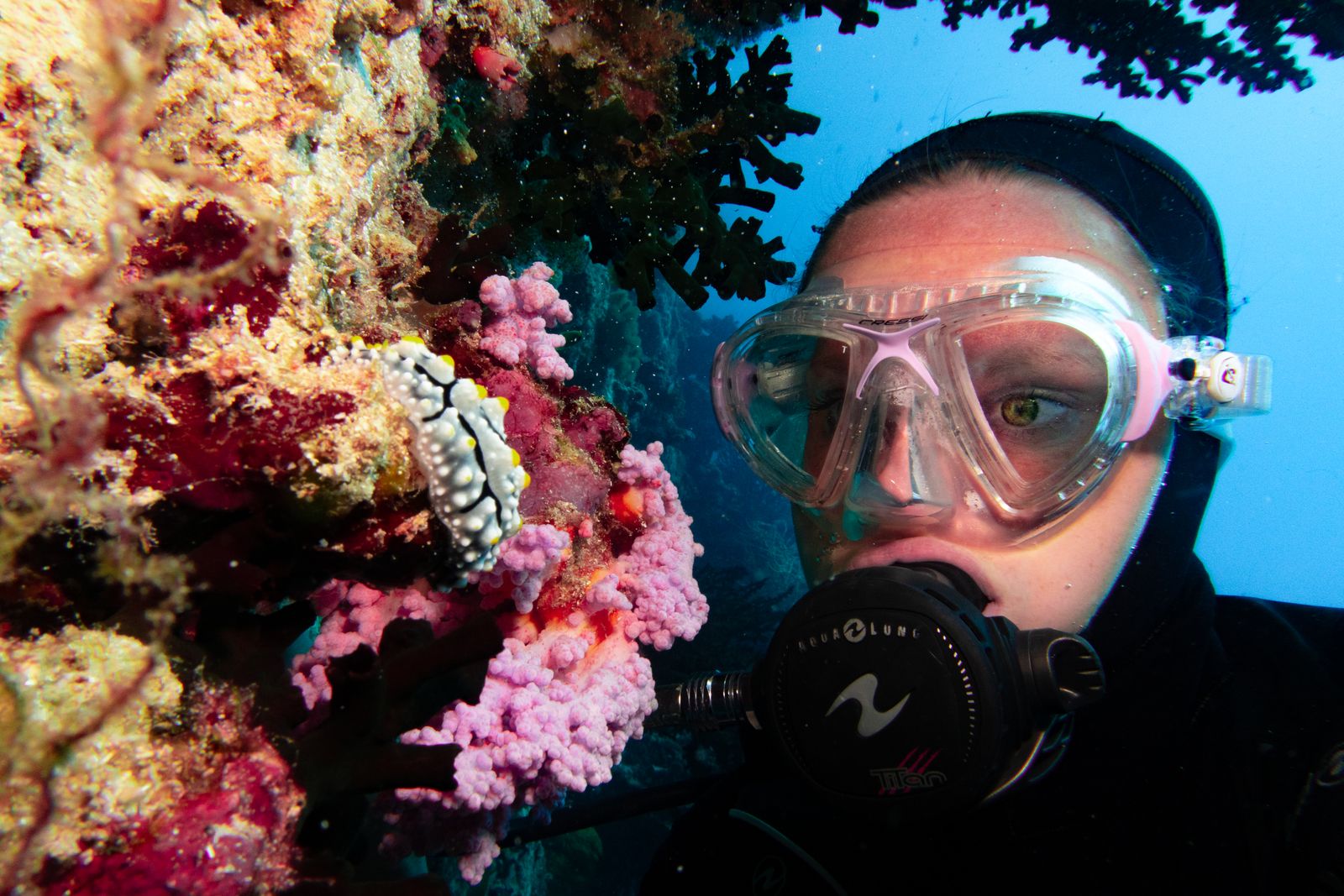
An underwater rock formation that many rate as Koh Lipe's best dive site. Standing rock pillars line up much like the name suggests, the whole lot blanketed in pink-and-purple soft coral. Depth runs from about 5 to 25 m, so certified beginners and old hands can both dive it — though the current shifts with the tide.
Eight Mile Rock (8 Mile Rock)
A deep pinnacle out in open water, roughly 8 nautical miles south of Koh Lipe. This one is strictly for experienced divers — strong current — but you trade that for schooling tuna, trevally, barracuda in the thousands, and a chance of whale sharks from April to June. It sits outside the park boundary, so it can be dived almost year-round.
Yong Hua Wreck
A Chinese cargo ship sitting on the seabed — a big vessel, with depth running from about 28 to 42 m. It's a site for Advanced Open Water and up because of the depth and the air management it demands. Plenty of grouper, barracuda, and marine life encrusting the wreck to look at.
Koh Lanti / Koh Lantcha
A small rocky island ringed with reef and moderate current — a popular stop on mid-level fun-dive trips. Expect clownfish, parrotfish, and healthy hard coral. Good for people fresh out of Open Water who want to rack up dives.
Pattaya Corner / macro sites
Shallow-to-mid sites around Koh Lipe that macro shooters love. You'll find tigertail seahorses, harlequin shrimp, ghost pipefish, bigfin reef squid, and moray eels. Better suited to people who'd rather watch the small stuff than big schools, and easy for any level.
Sites around Koh Adang–Rawi
Shallow, clear-water reefs around Koh Adang and Koh Rawi inside Tarutao National Park. Visibility is good on calm days, which makes these ideal for Discover Scuba and the training dives on an Open Water course — little swell and modest depth.
Straight talk about current
Eight Mile Rock and the Yong Hua wreck have genuinely strong current and real depth. If you just got certified or haven't dived in a while, don't push yourself to keep up with the group. Tell the shop honestly how much experience you have — a good shop will put you on a site that fits and won't push you somewhere beyond your level.
Coral and the fish you'll see
The shallow sites stand out for pink-and-purple soft coral and healthy hard coral, with small reef fish along the way. The deep pinnacles are the stage for big schools — tuna, trevally, barracuda — and at times whale sharks and manta rays passing through. Macro fans will find seahorses, harlequin shrimp, ghost pipefish, and squid tucked into the coral.
- Shallow sites — pink-and-purple soft coral, staghorn coral, clownfish, parrotfish, butterflyfish
- Deep pinnacles — schools of tuna, trevally, barracuda, plus seasonal whale shark and manta encounters
- Macro — tigertail seahorses, harlequin shrimp, ghost pipefish, bigfin reef squid, moray eels
The hard rule underwater
Don't touch, don't stand on, don't take coral or rocks home. Coral grows very slowly and breaks easily. Control your buoyancy, keep your fins clear of the reef, and carry every piece of your own trash back onto the boat.
Dive shops that actually operate on Koh Lipe
Koh Lipe has several dive centers, most of them along Sunrise Beach and the Walking Street. Pick a shop with instructors who speak a language you understand, small groups, and gear in good condition. Here are the shops with a clear presence that come up most often.
Forra Diving
The oldest dive shop on the island, open since 1997. They run both courses and fun-dive trips, including runs to the more challenging sites like Eight Mile Rock and Stonehenge.
Castaway Divers
Based at Castaway Resort on Sunrise Beach, teaching and diving in small groups with a laid-back feel. Courses at every level, plus specialties like deep and drift.
Adang Sea Divers
A 5-star dive resort teaching both SSI and PADI from Open Water through Divemaster, with a conservation focus, specialty courses, and trips around the islands.
Koh Lipe Divers / Sabye Divers
A shop that runs trips to the main sites in high season — Eight Mile Rock, Stonehenge, and Koh Lantcha — with beginner courses and fun dives.
Check before you pay
Ask plainly whether the price already includes the Tarutao park fee, whether gear is included, how many dives you get, and how many divers each instructor handles. A shop that answers clearly and doesn't dodge is a good sign.
Dive courses, from beginner to pro
If you've never scuba dived, you can start with Discover Scuba — a half-day with no card needed, around 1–2 dives under close instructor supervision. If you want a real certification, the Open Water course takes roughly 3 days and 2 nights: theory, confined-water practice, then 4 open-water dives to qualify. Already certified? You can step up to Advanced, Rescue, or specialties right on the island.
Discover Scuba (try-dive)
For people with no card who want to test whether they like it. Close instructor supervision, a short basics briefing, then into shallow, safe water. About 1–2 dives, done in half a day.
PADI/SSI Open Water
Your first card, valid worldwide to a depth of 18 m. Theory plus confined-water practice plus 4 open-water dives, over roughly 3 days and 2 nights. Finish and you carry the card to dive elsewhere.
Advanced Open Water
Builds on Open Water and takes you to 30 m. You practice deep diving, drift diving, and underwater navigation — needed if you want to dive Eight Mile Rock or the Yong Hua wreck.
Fun Dive (certified divers)
For people already certified who want to dive for the experience. No course — book a package of 2–3 dives a day and the shop takes you to sites matched to your level and the conditions.
Rescue / specialties
For people who are serious. The Rescue course trains underwater rescue, and specialties like deep, drift, and nitrox are available on the island. It's the ladder toward Divemaster.
The prices above are rough ranges from what various shops have advertised. The real figure shifts with the season, the gear included, and the number of dives, so check with the shop before booking every time. And remember that island prices tend to run higher than the mainland, because everything has to be hauled across the sea.
Seasons and safety, straight up
Koh Lipe runs on a season. The best diving is November to April — calm seas, clear water, every site open. Once the monsoon arrives around May to October, the wind and swell pick up, many resorts and boats close, ferry crossings cut back or stop, and dive sites inside Tarutao National Park close for parts of the season so the reefs can recover.
- High season Nov–Apr — calm seas, clear water, every site open; the time to plan a dive trip
- Monsoon May–Oct — heavy swell, many resorts/boats closed, parts of the park shut; always check first
- Eight Mile Rock sits outside the park, so it can be dived almost year-round — but it depends on the swell that day
Safety comes first, always
Check the forecast and the swell before you head out. If the instructor or captain says the swell is too big, believe them. Dive within your certification level, never drink alcohol before a dive, and if you're flying home, leave at least 18–24 hours after your last dive per standard guidelines.
A sample dive trip
If you're coming to Koh Lipe to dive, how do you plan it so it's worth it without wearing yourself out? Here's a sample 3-day rhythm for someone who wants to take Open Water on the island.
Arrive + theory and confined-water practice
Into open water for the first 2 dives
Final 2 dives + get your card
Plan your whole Koh Lipe trip — where to stay, where to eat, and what to do
See the Koh Lipe travel guide →