🔄 Updated 21 Jun 2026
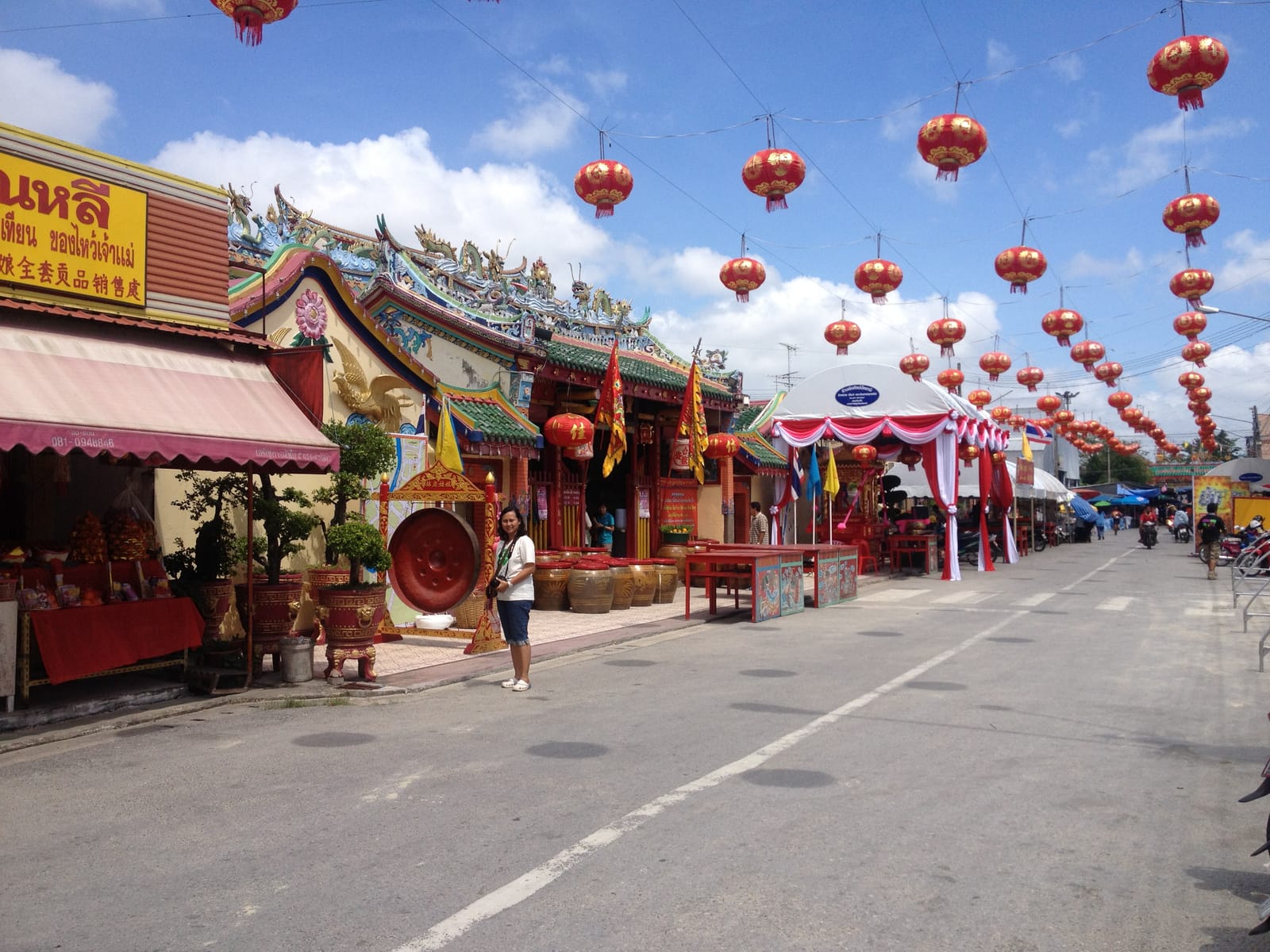
If you come to Pattani and want to understand the city a little more deeply, Leng Chu Kiang Shrine is the spot to stop by, because it tells the story of how Chinese, Thai, and Malay Muslim communities have lived side by side in one town better than almost anywhere else. The shrine sits at 63 Anoru Road, in the heart of the old quarter locals call Kuedah Cino, which means "Chinese market." Walk around and you'll see old shophouses, traditional shops, and Sino-Portuguese wooden houses all mixed together.
The oldest shrine in town
Leng Chu Kiang Shrine was built by Pattani's Chinese community around 1574 CE, during the reign of the Wanli Emperor of China's Ming dynasty and that of King Maha Thammaracha of Ayutthaya. It was originally called Su Kong Shrine, because its principal deity was Cho Su Kong, the "healing saint." Later, Phra Chin Khananurak (Tan Ju Lai) brought the goddess Lim Ko Niao from the Krue Se area to enshrine here, and the name was changed to Leng Chu Kiang, as it is known today.
So the shrine holds several deities. The principal one is still Cho Su Kong, while Lim Ko Niao is enshrined alongside him. According to legend, the goddess's image is carved from a cashew tree. Over the centuries the shrine has received visits from several Thai kings, who bestowed incense urns and offerings that remain on display, a sign of how long this place has mattered.
Want more out of Pattani? Book tours & activities
Booking online ahead on Klook or GetYourGuide is usually cheaper than the gate and skips the queue. Pick only the experiences you actually want — prices and availability are shown live on each site.
The legend of Lim Ko Niao
The story goes that Lim Ko Niao was a Chinese woman who crossed the South China Sea in search of her elder brother, Lim To Khiam, who had settled in Pattani. She came to bring him home to care for their gravely ill mother, but he refused: he had married the daughter of the ruler of Tani, converted to Islam, and was busy building the Krue Se Mosque. Heartbroken that she could not persuade him, she hanged herself from a tree near the village of Krue Se. Later the villagers carved her image from that tree and built a shrine in memory of her devotion.
Respect both faiths
This legend is tied to the Krue Se Mosque not far away, so many people visit the two sites back to back to see how communities of different faiths have lived together here. When you go to either place, dress modestly and stay respectful, at both the shrine and the mosque.
The procession and fire-walking rite
The shrine's highlight is the festival honoring the goddess Lim Ko Niao, held on the full moon of the third lunar month each year, which usually falls around February to March, close to Chinese New Year. The whole of Pattani looks forward to it, with a deity procession around town, a water-crossing rite, and the fire-walking ceremony on the open ground in front of the shrine.
- Procession around town — the goddess and other deities are carried through the city streets, with people lining both sides setting up offering tables and lighting incense to greet the procession.
- Water-crossing rite — the deities are carried across the Pattani River near Dechanuchit Bridge, recalling how the goddess crossed rivers and seas to follow her brother.
- Fire-walking rite — Cho Su Kong (the healing saint) is carried across first, then the other deities follow, with bearers walking their palanquins over a bed of glowing coals unharmed, a sight people believe to be sacred.
On festival day the atmosphere is electric, with crowds packed around the shrine and along the procession route. If you want a clear view of the fire-walking, plan to claim a spot several hours ahead, and be ready for heat and crush. If squeezing through crowds isn't your thing, visiting the shrine on an ordinary day is calmer and has a charm of its own.
Paying respects and exploring nearby
The shrine is open to all visitors during daytime, with no entry fee. About 20 to 30 minutes is enough to see it all, which pairs nicely with a stroll through the Anoru old town, with its old buildings and small cafes to pop into.
Krue Se Mosque
An ancient brick mosque tied to the very same legend, a little east of the city center, easy to add to the same trip.
StrollAnoru Old Town
Sino-Portuguese shophouses, traditional shops, and cafes, perfect for an easy wander with the camera.
LandmarkPattani Central Mosque
A large mosque in the city center with handsome architecture, another landmark worth a stop.
Check the situation before you travel
Pattani lies in Thailand's deep south border region. Before locking in a trip, it's worth following the latest news and safety advisories from official sources, and allowing extra time for checkpoints along the way. Most travelers get around the city center as normal, but checking ahead gives you peace of mind.
How to get there and when to go
- Location — 63 Anoru Road, Anoru subdistrict, central Pattani, within the Kuedah Cino old quarter.
- Getting there — it's in town and easy to reach by car or motorcycle taxi. From Hat Yai, the drive takes about 2 hours.
- When to go — you can pay respects year-round during daytime, but to catch the fire-walking rite, aim for the full moon of the third lunar month (around February to March).
- Dress code — dress modestly and respectfully, as it is a sacred site and sits in a city with a predominantly Malay-Muslim culture.
Plan a full Pattani trip — where to stay, eat, and explore
See the Pattani travel guide →