📝 Written 3 Jul 2026 · ✅ Fact-checked 3 Jul 2026 · prices and schedules can change — check with the operator before booking
Before deciding where to go on Maha Sarakham's heritage trail, think through three things first: do you want to pay respects and admire a stupa in a wide-open Buddhist precinct, do you want to see a laterite sanctuary with traces of Khmer culture and understand the ancient city through a learning center, or do you want to experience local handicrafts and a guardian Buddha image that the community reveres? Each of these sites tells a story from a different era — from the Dvaravati period through the Khmer era to present-day community life — and they're spread across several districts. Knowing which angle interests you first makes it much easier to prioritize when time is limited.
Overall, Phra That Na Dun, Ku Santarat, and the Nakhon Champa Si History Center all sit close together within Na Dun district, so you can string them together into a single continuous trip. The Ban Mo pottery village and Phra Phuttha Ming Mueang Kantharawichai are in a different zone, closer to town and Kantharawichai district. The table below sums up the era and type of each site, and then we go into detail on each one.
| Site | Era / Type | Highlights | Best for |
|---|---|---|---|
| Phra That Na Dun | Dvaravati stupa · Isan Buddhist precinct (Na Dun district) | A stupa at the center of a wide open area, linked to an ancient-city excavation site | Temple-goers, those who enjoy strolling in open spaces, families |
| Ku Santarat | Khmer-era laterite sanctuary (arokayasala) (Na Dun district) | A laterite ancient monument with traces of Khmer architecture near Phra That Na Dun | Heritage-site fans, photographers, people who love historical remnants |
| Nakhon Champa Si History Center | Learning center - ancient city (Na Dun district) | Brings together the story of the ancient city of Nakhon Champa Si and its excavated artifacts in an easy-to-follow way | Those wanting the big picture, families with kids, learning-minded travelers |
| Ban Mo pottery village | 200-year-old handicraft-pottery village | Earthenware pottery-making passed down through generations, authentic community life | Community-life fans, craft lovers, people who want to see handmade work |
| Phra Phuttha Ming Mueang Kantharawichai | Standing Dvaravati-era Buddha image - town guardian (Kantharawichai district) | An ancient standing Buddha image revered by the people of Kantharawichai | Temple-goers, those interested in Dvaravati art, travelers passing through |
Phra That Na Dun — a Dvaravati stupa at the heart of Isan's Buddhist precinct, worship in open space

Phra That Na Dun is the starting point for anyone wanting to explore Maha Sarakham's temple-worship and heritage side. Its draw is the tall white stupa standing in a wide open area within the Isan Buddhist precinct. The Na Dun area is where a large number of Dvaravati-era artifacts have been excavated, including clay votive tablets and Buddha images, which is why the stupa was built to enshrine Buddhist relics and serve as a spiritual center for the people of Isan. Around the stupa is an open plaza and gardens that are pleasant to walk through. Compared to the other four sites in this article, Phra That Na Dun stands out most for its wide-open Buddhist-precinct atmosphere and its status as the province's landmark worship site. It's a great way to kick off a heritage trip in the Na Dun area.
The best way to visit is to drive yourself or rent a car, since it's about sixty kilometers south of Maha Sarakham town and public transport doesn't reach it conveniently. Leaving town early helps you pay respects and walk around the stupa before the sun gets too strong, then continue on to Ku Santarat and the Nakhon Champa Si History Center, which sit nearby in the same district, all in one trip. The most pleasant weather is during the cool season, roughly November to February, when the sky is clear and it isn't too hot. Dress modestly since this is a sacred site, and allow enough time to walk around the wide grounds surrounding the stupa.
A few things worth knowing plainly before you go. First, this is a place of worship and a sacred site — dress modestly, cover your shoulders and knees, remove your shoes in designated areas, and behave respectfully. Second, the plaza around the stupa is fairly open with little shade, and midday sun can be strong, so come in the morning or evening and bring a hat, umbrella, and water. Third, it's quite far from town and public transport isn't convenient, so you'll want your own vehicle and a plan to pair it with nearby Na Dun-area sites to make the trip worthwhile. And finally, during merit-making festivals and important religious days, crowds can be heavy and parking may fill up, so allow extra time and keep a calm demeanor befitting the site.
- The stupa stands out in a wide open area within the Isan Buddhist precinct, a peaceful setting well-suited to worship
- Sits in an area where Dvaravati-era artifacts have been excavated, linking it to the story of the ancient city
- A well-known worship landmark in Maha Sarakham that people travel to pay respects at
- In the same Na Dun district as Ku Santarat and the Nakhon Champa Si History Center, so they can be combined into one trip
- About 60-65 km from Maha Sarakham town; public transport isn't convenient, so a private vehicle is recommended
- The plaza around the stupa is fairly open with little shade; midday sun is strong, so come in the morning or evening
- A sacred site — you must dress modestly, remove shoes in designated areas, and behave respectfully
Ku Santarat — a Khmer-era laterite sanctuary, traces of an arokayasala near Phra That Na Dun

Ku Santarat is the pick for anyone wanting to see traces of Khmer culture and laterite architecture in Maha Sarakham. Its draw is a cluster of ancient structures built from laterite in the Khmer style, which archaeologists believe once served as an arokayasala or dharmasala — a kind of infirmary or rest stop along an ancient route built during the period when Khmer culture spread into this area. The monument still retains enough of its wall lines and structural elements to let you picture its original form. It sits within Na Dun district not far from Phra That Na Dun, so the two are easy to visit together. Compared with Phra That Na Dun, which focuses on worship in open space, Ku Santarat stands out for its traces of Khmer-era history and a different set of photo angles among the ancient structures.
The best way to visit is to pair it with Phra That Na Dun and the Nakhon Champa Si History Center in a single trip, since all three sit close together within Na Dun district. Drive yourself and use map navigation, since parts of the approach road run through the local community. The best times are morning or late afternoon into evening, when the light is soft and it's not too hot, making it easier to walk around and take photos than at midday. The cool season, roughly November to February, offers the best weather. Consider stopping at the Nakhon Champa Si History Center before or after, since the background information helps you better appreciate the significance of Ku Santarat and the ancient city in this area.
A few things worth knowing plainly before you go. First, Ku Santarat is a modest, unassuming ancient monument — it isn't as grand as the large Khmer sanctuaries found in other provinces, so set your expectations accordingly and you'll enjoy the historical remnants and quiet atmosphere all the more. Second, it's an ancient site that needs everyone's care — stick to the designated paths, don't climb on or touch fragile sections, and don't leave litter. Third, the area is fairly open with little shade, so come in the morning or evening and bring a hat and water. And finally, parts of the approach road run through the local community, so use map navigation and drive carefully, allowing a little extra time in case you need to find your way.
- A Khmer-era laterite monument believed to have once been an arokayasala, offering a historical atmosphere unlike a typical temple
- In the same Na Dun district as Phra That Na Dun and the Nakhon Champa Si History Center, easy to combine into one trip
- A quiet setting with photo angles of Khmer architectural remnants that are hard to find elsewhere
- Convenient to visit, adding a rich layer of history that rounds out a Na Dun-area trip
- A modest, unassuming ancient monument — set your expectations accordingly, as it isn't as grand as the larger Khmer sanctuaries
- Fairly open with little shade; midday sun is strong, so come in the morning or evening and bring a hat and water
- Parts of the approach road run through the local community, so use map navigation and allow a little extra time to find your way
Nakhon Champa Si History Center — a learning center on the ancient city, get the big picture before you go

The Nakhon Champa Si History Center is the pick for anyone who wants the big picture before seeing the real sites. Its draw is that it gathers together the story of the ancient city of Nakhon Champa Si, a Dvaravati-era settlement in Na Dun district where a large number of artifacts have been excavated, and presents it as easy-to-follow information — covering the settlement's founding, the moat and earthen ramparts of the ancient city, and its links to Phra That Na Dun and Ku Santarat, which sit in the same area. Reading through the information and viewing the exhibits before heading out to the actual sites gives you a much clearer sense of how each spot connects to the others. Compared with Phra That Na Dun, which focuses on worship, and Ku Santarat, which focuses on ancient ruins, this center stands out for laying the groundwork of understanding that gives your trip more substance. It's a great starting point for the Na Dun trail.
The best way to visit is to make the Nakhon Champa Si History Center your first stop of the day, then move on to Phra That Na Dun and Ku Santarat in the same district — the information you pick up will make viewing the actual sites far more rewarding. Drive yourself, since it's within Na Dun district where public transport isn't convenient, and check the opening hours in advance, since a learning center like this may have different closing days or hours than an outdoor site, especially on weekdays or long holidays. The cool season, roughly November to February, offers the best weather for a full day exploring the Na Dun trail.
A few things worth knowing plainly before you go. First, this is a learning center focused on information and exhibits, not a flashy attraction like a theme park or a big photo spot — people who enjoy reading and learning will get the most out of it, so set your expectations to match. Second, check the opening hours before you go, since it may have closed days or periods, to avoid a wasted trip. Third, it's within Na Dun district, fairly far from town, so bring your own vehicle and pair it with Phra That Na Dun and Ku Santarat to make the journey worthwhile. And finally, ask staff questions or read the information panels thoroughly, since small details often deepen your understanding of the ancient city's story.
- Brings together the story of the ancient city of Nakhon Champa Si and its excavated artifacts in easy-to-follow information
- Lays the groundwork before visiting Phra That Na Dun and Ku Santarat, making the trip more rewarding
- Located in the same Na Dun district area as Phra That Na Dun and Ku Santarat, so all three fit into one trip
- Great for families with kids and learning-minded travelers, offering both knowledge and an ancient-city atmosphere
- A learning center focused on information, not a flashy attraction or major photo spot — set your expectations accordingly
- Check the opening hours before you go, since it may have closed days or periods unlike an outdoor site
- Located within Na Dun district, far from town — bring your own vehicle and pair it with nearby sites to make the trip worthwhile
Ban Mo pottery village — earthenware craft passed down for over 200 years
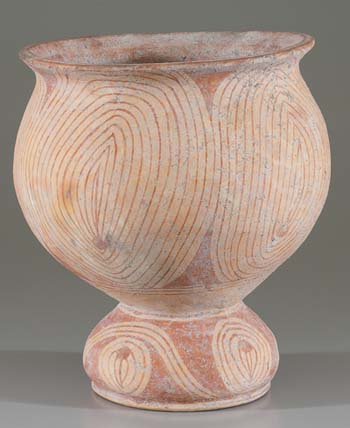
The Ban Mo pottery village is the pick for anyone who wants to see community life and folk handicrafts in Maha Sarakham. Its draw is that this is a village that has carried on its earthenware pottery-making for a long time, said to span more than two hundred years, with villagers still shaping pots and clay vessels using methods handed down through generations — kneading the clay, forming the shape, sun-drying, and firing. Walking through the village, you see both the actual craft process and real daily life, not just finished goods for sale. Compared with the first three sites in the Na Dun area, which focus on ancient monuments and worship, Ban Mo stands out for the hands-on craft experience and the people you meet, suiting travelers who like to take things slow, chat with villagers, and take home a piece of handmade work.
The best way to visit is to come in the morning through afternoon when villagers are working, so you can see the actual process and have items to choose from. Drive yourself, since it's more convenient and not far from Maha Sarakham town — afterward you can head into town or on to Phra Phuttha Ming Mueang in Kantharawichai district. Visit respectfully by asking permission before photographing people or getting a close look, and if a piece catches your eye, buying it helps support the community. During the rainy season, some areas may get muddy since the work involves sun-drying clay, so pick a clear day for a comfortable visit and to see the full drying process.
A few things worth knowing plainly before you go. First, this is a community where people actually live and work, not a site set up specifically for tourists — be respectful, ask permission before photographing or getting a close look, and don't disturb villagers at work. Second, the timing of pottery-making activity can vary by season and by household, so if you want to see the full process, come on a weekday around midday and be prepared that some days may be quiet. Third, the roads within the village are local community roads, so drive slowly and watch for children and animals. And finally, buying a piece of pottery is a good way to help keep this folk craft alive.
- See earthenware pottery-making passed down over a long time and real community life, not just finished goods for sale
- Not far from Maha Sarakham town, easy to stop by en route to Kantharawichai or into town
- Great for community-life and craft fans who enjoy a slow-paced visit and chatting with villagers
- Buy handmade pieces to take home, directly supporting this folk craft
- A community where people actually live and work — be respectful, ask permission before photographing, and don't disturb villagers
- The timing of pottery-making activity can vary by season and household, so some days may be quiet
- The clay-drying area can get muddy in the rainy season, so pick a clear day to see the full process comfortably
Phra Phuttha Ming Mueang Kantharawichai — a standing Dvaravati-era Buddha image, Kantharawichai's guardian icon

Phra Phuttha Ming Mueang Kantharawichai is the pick for anyone who wants to pay respects at a town guardian Buddha image and is interested in Dvaravati-era art. Its draw is an ancient standing Buddha image enshrined in Kantharawichai district, which local people revere as the town's guardian icon. The image reflects an art style dating back to when Dvaravati culture spread into this Chi River basin area, making it both a spiritual anchor and a historical remnant at the same time. It sits north of Maha Sarakham town, so you can stop to pay respects on the way in or out of Kantharawichai district, or while heading to the university area nearby. Compared with the Na Dun trail, which focuses on stupas and ancient monuments, Phra Phuttha Ming Mueang stands out as a guardian Buddha the local community feels deeply connected to, and it links conveniently to the Ban Mo pottery village and town center.
The best way to visit is to stop and pay respects along the way, since it doesn't take long and sits on an easy route to pass through. Drive yourself or rent a car, and pair it with nearby spots like the Ban Mo pottery village and Maha Sarakham town on the same day. Morning or evening, when it's not too hot, makes for a more comfortable visit than midday. The cool season, roughly November to February, offers the best weather. Dress modestly since this is a sacred site, and if you want to understand more about the image's history and significance, try asking locals or reading the information panels at the temple for a richer appreciation of the Dvaravati art.
A few things worth knowing plainly before you go. First, this is a place of worship revered by locals — dress modestly, cover your shoulders and knees, remove your shoes in designated areas, and behave respectfully. Second, it's a short stop focused on paying respects and viewing the image, not a large site that takes a full day, so pair it with other spots to make the trip worthwhile. Third, if you plan to photograph within the sacred area, watch for signage and photograph respectfully without disturbing those who have come to pay their respects. And finally, asking locals or reading the temple's information panels helps you better understand the image's origins and artistic value.
- An ancient standing Dvaravati-era Buddha image that serves as Kantharawichai's guardian icon, valuable both spiritually and historically
- North of town, a convenient stop along the way that doesn't take long
- Pairs neatly with the Ban Mo pottery village and Maha Sarakham town in a single day
- Great for temple-goers and those interested in Dvaravati art, offering both a sense of peace and a piece of history
- A short stop focused on paying respects and viewing the image, not a large site that takes a full day — pair it with other spots
- A sacred site — you must dress modestly, remove shoes in designated areas, and behave respectfully
- The information on display may be limited — ask locals or read the panels further to fully understand its origins
Quick summary: Maha Sarakham heritage trail — where to go
Want to worship in a wide-open Buddhist precinct? Choose Phra That Na Dun, a stupa in an open area within Na Dun district, about 60-65 km from town. Great for temple-goers and families, though you'll need a car and the surrounding plaza is fairly sunny — best visited morning or evening.
Want to see a Khmer-era laterite sanctuary? Choose Ku Santarat, an ancient monument believed to have once served as an arokayasala, located near Phra That Na Dun. Great for heritage-site fans and photographers, though it's a modest-sized site, so set your expectations accordingly.
Want the big picture before seeing the real sites? Choose the Nakhon Champa Si History Center, a learning center on the ancient city within Na Dun district. A great first stop on the trail, though you should check the opening hours in advance.
Want to experience community life and craftwork? Choose the Ban Mo pottery village, a community that has made earthenware pottery for over 200 years, near town. Great for community-life fans, though be respectful and ask permission before photographing since it's a real, living community.
Want to pay respects at a guardian Buddha and see Dvaravati art? Choose Phra Phuttha Ming Mueang Kantharawichai, an ancient standing Buddha image north of town, an easy stop along the way. Great for temple-goers, though it's a short stop — pair it with other sites.
Book Activities & Tickets in Advance
Tours and transfers around Maha Sarakham, covering both the Na Dun trail (stupa - ancient monuments) and the temple-worship - community-life trail. Queues can be long on holidays and merit-making festivals, so booking ahead is more convenient.
Where to stay in Maha Sarakham?
Pick a well-located place to stay, whether an in-town hotel with easy transport or a place near the university area, to use as a base for trips to the Na Dun and Kantharawichai trails. Compare prices across 3 sites before booking.
Search hotels on AgodaHow to plan a trip covering both the Na Dun trail and the town-Kantharawichai trail
If you have two days, we recommend staying in Maha Sarakham town for 1 night. On the first day, head out early south to Na Dun district — start at the Nakhon Champa Si History Center to lay the groundwork on the ancient city, then pay respects at Phra That Na Dun in its wide Buddhist-precinct setting, then stop by Ku Santarat, the Khmer-era laterite sanctuary in the same district. That gives you a full day of learning, worship, and ancient monuments. On the second day, explore the trail closer to town — stop at the Ban Mo pottery village to see the earthenware craft and community life in the morning while villagers are working, then head north to Kantharawichai district to pay respects at Phra Phuttha Ming Mueang, the Dvaravati-era guardian Buddha, before heading back into town. That way, you'll cover the Dvaravati stupa, Khmer ancient monuments, the learning center, the handicraft village, and the guardian Buddha, all without having to rush.
Once you've decided where to go, don't forget to book a well-located hotel in town as your trip base. See our price-compared hotel picks here.
See well-located Maha Sarakham hotels →