🔄 Updated 21 Jun 2026
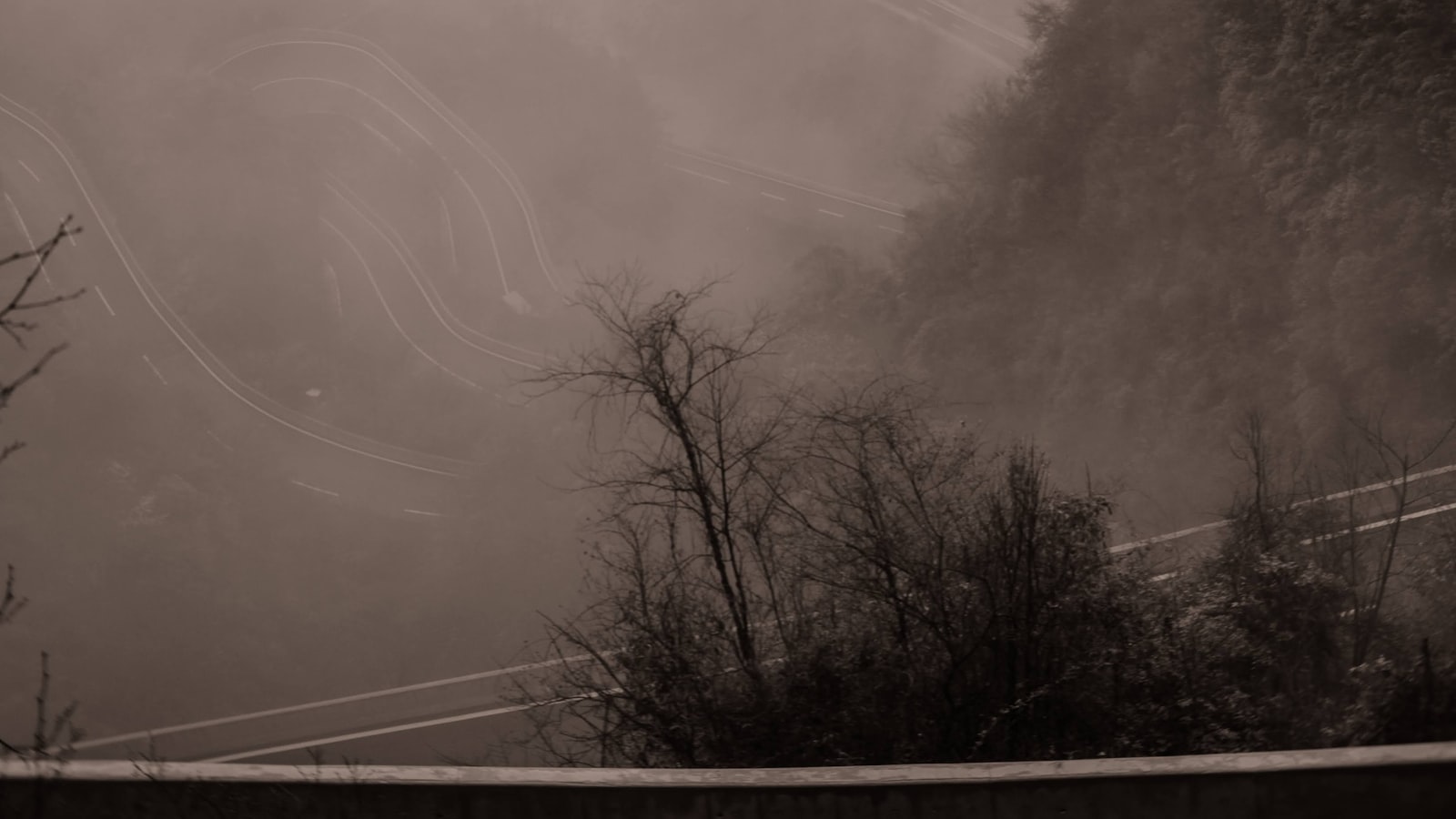
Pai sits about 135 km from Chiang Mai along Highway 1095. That sounds close, but the whole route is a twisting mountain road with a counted 762 curves — so famous it's become the town's marketing line. Plenty of Chiang Mai locals treat Pai as an overnight trip rather than a same-day round trip. This plan uses Chiang Mai as both the start and the end: grab half a day of old-town highlights, then head up to Pai for two nights to make the drive worth it.
Before we get into the day-by-day, the first thing to decide is how you'll get up to Pai — drive yourself, hire a car with a driver, or take the scheduled minivan. The two main options differ in freedom, price and how carsick you'll get. We'll compare them first, then sort out the plan.
Self-drive vs minivan — which is better?
Both use the same Highway 1095 and the same 762 curves. The difference is who's holding the wheel and controlling the timing. Weigh the pros and cons before you decide.
Self-drive (rental car from Chiang Mai)
The most freedom — stop at the Huai Nam Dang viewpoint or roadside cafes whenever you like. Driving yourself lets you control the speed, so you'll feel less carsick because you know when each curve is coming. A small sedan rents from around ฿600–900/day plus fuel. You need to be confident driving mountain roads and using engine braking on the descents.
Scheduled minivan (Prempracha / Aya)
Cheap and no driving. Prempracha is around ฿150 per trip, Aya around ฿250 (and they can pick you up at the airport). Several departures run from Arcade station from early morning to evening. The catch: drivers tend to take the curves fast, so it's very easy to get carsick — bring motion-sickness pills — and you'll still need to rent a scooter to get around once you reach Pai.
- Travel time — Driving straight through takes about 2.5–3 hours; with photo stops, 3.5–4 hours. The minivan, even with fast drivers, picks up and drops off passengers and pauses on the way, so it works out to a similar 3–3.5 hours.
- Price per person — The minivan is clearly cheaper if there are just one or two of you (฿150–250 per trip). But with 3–4 people, splitting a rental can come out about the same and gives you more freedom.
- Motion sickness — Minivan drivers know the road and take curves fast, so passengers are the most likely to feel sick. Driving yourself lets you control the rhythm and feel less ill. If you're prone to it, drive yourself, or hire a car with a driver and ask them to take it gently.
- Getting around Pai — Self-driving gives you a vehicle for the whole trip. If you came by minivan, you'll need to rent a scooter in Pai (~฿150–250/day) since the sights are spread out beyond the town.
Quick takeaway
Travelling as a couple or solo, on a tight budget, and don't want to drive a mountain road → take the minivan and rent a scooter in Pai. Travelling in a group of 3–4, very prone to carsickness, or wanting to stop along the way as you please → renting a car to drive yourself is better value and more comfortable.
Book the activities in your Pai trip ahead
Booking online ahead on Klook or GetYourGuide is usually cheaper than the gate and skips the queue. Pick only the experiences you actually want — prices and availability are shown live on each site.
Minivan schedules and pickup points (latest update)
The main minivan operator on the Chiang Mai–Pai route is Prempracha Transport, boarding at Arcade bus station (Arcade 2). Departures run from roughly 06:30 to 17:30, about hourly. The fare is around ฿150 per trip and the ride takes about 3 hours. You can book ahead online through Prempracha's website. In high season (the cool months) it gets busy, so book both your outbound and return trips in advance.
- Prempracha — Boards at Arcade 2, around ฿150/trip, departures ~06:30–17:30, online booking available.
- Aya Service — Around ฿250/trip. The upside is pickup points in the tourist areas and the option to be collected at Chiang Mai airport — handy if you're staying around Nimman or Tha Phae Gate.
- Return trip — The Pai minivan stand is in the town center near the walking street. The last departures leave in the afternoon to early evening; don't wait for a late run, because the mountain road is dark and unlit.
- Big luggage — Minivans have limited space. If you're carrying a lot of bags or have small kids, driving yourself or hiring a car with a driver is more comfortable.
Avoiding carsickness on the 762 curves
Take motion-sickness pills 30 minutes before you leave. Sit in the front seat if you can, look far down the road, and don't use your phone or read along the way. Eat something light before boarding — don't travel on an empty stomach or stuffed full. Keep a bag and a bottle of water with you. If you're driving yourself, use engine braking (low gear) on the descents instead of riding the brake — it's safer and passengers feel less sick.
Day 1 — Half a day in Chiang Mai, then up to Pai
Day one splits into two blocks: a quick sweep of Chiang Mai's old town in the morning, then leaving in the early afternoon to reach Pai before dark, since the mountain road has no lights and driving in daylight is much safer. If you're taking the minivan, book a mid-morning departure and squeeze in a little Chiang Mai sightseeing before you board.
Chiang Mai old town (morning) → up to Pai via Huai Nam Dang (afternoon)
Don't push it after dark
Always aim to reach Pai before 16:00–17:00, because the mountain section of Highway 1095 has no lighting, lots of curves and patches of mist. Driving at night is far riskier. If you leave Chiang Mai late, cut Huai Nam Dang and drive straight up to Pai to beat the light.
Day 2 — A full day in Pai: sea of mist, nature, hot springs
Day two is your full day in Pai, with no long drives to interrupt it. Start before dawn chasing the sea of mist, then slowly work through the nature spots around town without rushing. Pai's charm is the slow pace, not racing to tick off check-ins all day.
Yun Lai sea of mist → Santichon → Land Split → hot springs → Pai Canyon
Group spots by direction
Pai's sights split into two sides: north of town (Yun Lai, Santichon, Kong Lan, Wat Nam Hu) and east (Tha Pai Bridge, hot springs, Pam Bok Waterfall, Pai Canyon). Doing one side at a time saves you from doubling back and burning time and fuel. Take the north side in the morning and the east side in the afternoon, as in this plan.
Day 3 — A last cafe, then loop back to Chiang Mai
The last day doesn't need to be packed. Catch anywhere you haven't been yet at an easy pace, then set off back to Chiang Mai in the late morning to early afternoon so you reach the city before evening, leaving buffer for a connecting flight or train home.
Wat Phra That Mae Yen / Pam Bok Waterfall → cafe → back to Chiang Mai
If you have extra time
If you have another day in Chiang Mai before or after Pai, you can easily fit in Doi Suthep or the cafes and craft shops around Nimman. Or if you want to push further out to Mae Hong Son, Pang Ung and Ban Rak Thai, stretch it into the 1,864-curve loop over 4 days and 3 nights (see the loop plan at the end of this article).
Rough budget per person (3 days, 2 nights)
Estimated for a couple travelling together, taking the minivan both ways, staying in mid-range lodging in Pai and renting a scooter to get around. Real figures move with your accommodation and the season. If you drive yourself with a few people splitting fuel, the per-head cost drops.
- Chiang Mai–Pai minivan, round trip — ~฿300–500 (Prempracha ฿150/trip or Aya ฿250/trip)
- 2 nights in Pai — mid-range ~฿1,000–2,400/person (split between two)
- Scooter rental + fuel, 2 days — ~฿400–600 (shareable if you ride two-up)
- 6–7 meals — ~฿700–1,200 (including walking street and cafes)
- Entry fees: hot springs + Yun Lai + parking — Thai rate ~฿120–180
- Souvenirs + emergency buffer — ~฿300–500
Save even more
Travelling as two and riding one scooter two-up means the rental and fuel split a lot cheaper. There are hostels and guesthouses in Pai town for just a few hundred baht a night. Hot-spring entry is much cheaper for Thais than foreigners, so bring your ID card. And in a group of 4, renting a sedan and splitting the fuel can sometimes come out cheaper per head than the minivan.
When to visit Chiang Mai–Pai, and what to know
- Nov–Jan — Cool season, chilly air, the best odds of catching the sea of mist at both Huai Nam Dang and Yun Lai. But it's crowded and Pai accommodation gets pricey, so book both your room and the minivan ahead.
- Mar–Apr — Northern Thailand often has crop-burning haze in these months, with high PM2.5 and poor visibility — not great for chasing the sea of mist or taking photos. Check the air quality before deciding to go.
- Jun–Oct — Rainy season: lush and green, lovely waterfalls, fewer people, lower prices. But the mountain road is slippery, so take extra care riding a scooter or driving the 762 curves, and pack a rain jacket.
- Highway 1095 has 762 curves and brings on carsickness easily — bring motion-sickness pills. · If self-driving, use low gear on the descents and don't ride the brakes until they overheat. · Riding a scooter on the mountain road takes confidence, and always wear a helmet. · Fill the tank before heading up, since gas stations are sparse.
This 3-day, 2-night plan is the sweet spot for anyone who wants both Chiang Mai and Pai in one trip without wearing themselves out. With less time, cutting Pai to a single night still covers the main highlights, but it'll feel like more driving than sightseeing. With more time, just extend it into the full Mae Hong Son loop.
Find a well-located place in Pai — walking-street access and easy viewpoint runs
See the Top 10 Pai stays →