🔄 Updated 21 Jun 2026
The nice thing about Phatthalung souvenirs is the range — from homemade-sweet shops with their own storefront and easy parking right off the Phetkasem highway, to the genuine village stuff you have to chase down at Thale Noi or wait for a weekend market to find. The list below sticks to things you can actually get in the province right now, with the shop, the neighbourhood, and the price range spelled out, so you can plan your stops along the route you're already driving instead of doubling back.
Phatthalung Food Souvenirs Worth Taking Home
The ranking below is based on how well known each item is in the province and how easy it is to find right now — not on how tasty it is, since these are all in different categories. With plain rice, fermented goods, baked sweets, and processed products on the list, mixing a few together for a full set goes further than buying just one thing.
Sangyod Rice from Phatthalung
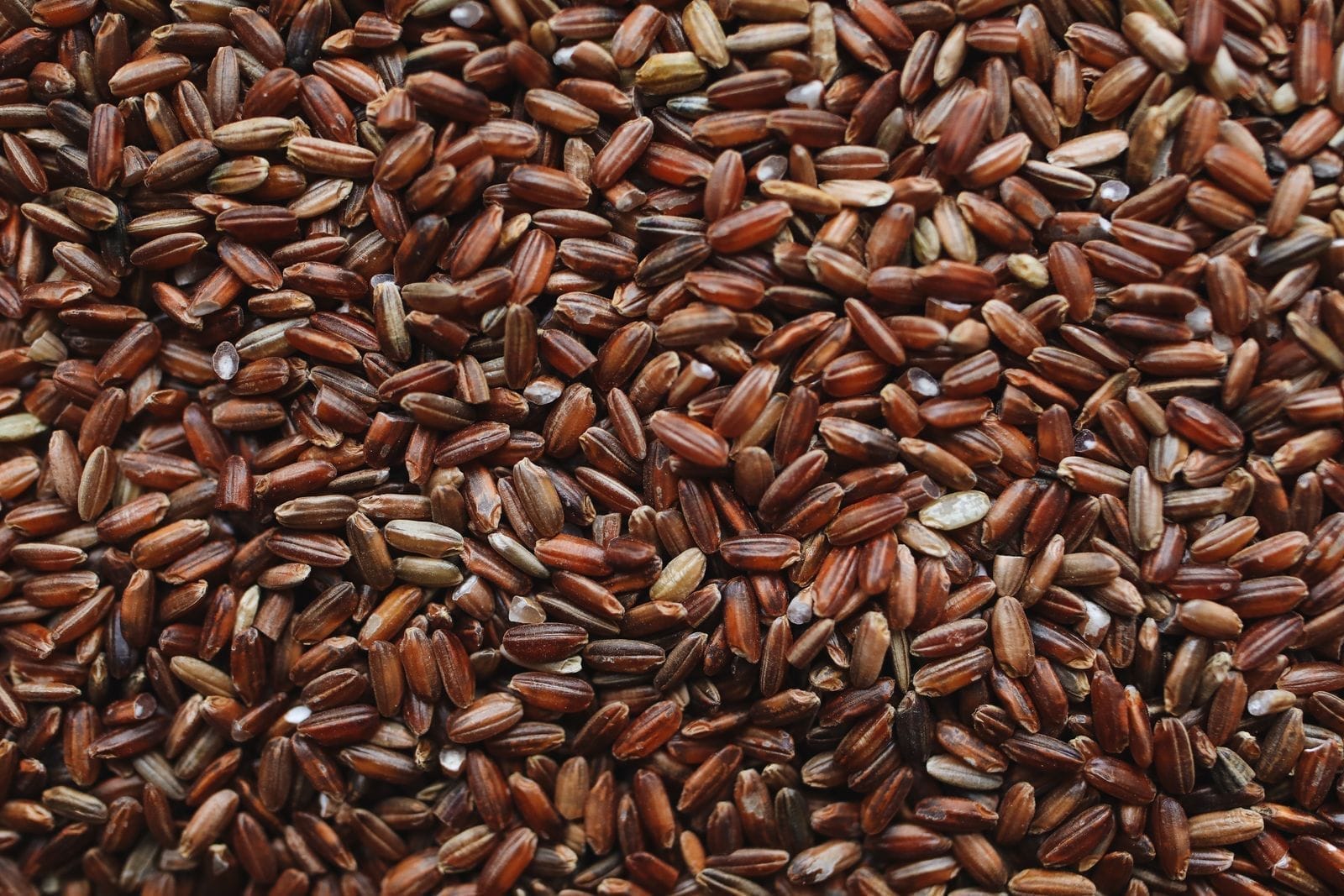
An heirloom rice grown in Phatthalung for generations, and the first Thai rice ever registered as a Geographical Indication (GI). The brown rice has a distinctive deep-red colour, and people like it hand-pounded — small, slender grains that cook up chewy and carry high nutritional value. It's the easiest souvenir to carry, keeps the longest on this list, and tells the story of Phatthalung's rice country better than anything else.
Thale Noi Pla Duk Ra (Fermented Catfish)
A fermented specialty of the Thale Noi locals in Khuan Khanun district, made the same way for over a century and GI-registered too. Catfish is salted with sugar and sun-dried until the skin turns greyish-black and the flesh goes dry; fried up, it gives a salty-sweet flavour with a distinctive fermented aroma that Southerners miss. Eat it with hot steamed rice or work it into a yam salad — it's the souvenir that captures the taste of Thale Noi.
Baan Khanom Lung (Tha Khae)
A long-running homemade-sweet shop off the Phetkasem highway in the Tha Khae neighbourhood, going on more than 15 years. They do pineapple-filled biscuits, young-coconut chiffon, sangkhaya (custard) puffs, snow-lotus pastries, and pineapple pies — all made fresh daily. It's the kind of gift anyone will happily take, no strong smell, with a proper storefront and easy parking — handy to swing by on the way into town.
Tha Khae Sweets (Khaek Tha Khae–Sponge)
The Tha Khae neighbourhood has long been Phatthalung's hub for souvenir-sweet shops. Khaek Tha Khae sells custard puffs, golden puffs, and banana cake, while the Sponge shop does crisp cookies, baked sweets, and coffee. It's a one-stop spot to compare several sweet-makers in a single neighbourhood — wander and weigh them up before you pick.
Sangyod Rice Processed Products
Beyond plain rice, Phatthalung turns Sangyod into all sorts of souvenirs — rice germ, Sangyod rice drink, roasted-rice tea, puffed rice, and sweets made from rice flour. Good for anyone who wants the flavour of rice country without cooking it themselves, and an easy gift for the health-conscious. Keeps reasonably well, too.
Sun-Dried & Salted Fish from Thale Noi
Besides pla duk ra, Thale Noi has several kinds of sun-dried fish — catfish, snakehead, and gourami — plus shrimp paste (kapi). Shops like Mae La-ong sell both retail and wholesale. It's an easy souvenir to fry up and eat straight with rice soup or steamed rice, and the dry-packed version travels more easily than the fresh fermented stuff.
Palm Sugar & Khanom Pam
Phatthalung has plenty of toddy palms, so genuine palm sugar makes a good kitchen-staple souvenir — both the solid block kind and the liquid kind, with a distinctive fragrance, good for cooking and sweets alike. Khanom pam is a steamed flour-and-palm-sugar sweet eaten with grated coconut — a local treat that's hard to find outside the province. Taste before you buy, then take some home.
Khai Krop & Fish Roe from Thale Noi
Khai krop is a processed duck-egg product from the lake communities — two yolks pressed together and salt-cured. Thale Noi fish roe is another local item that's hard to come by, good for anyone who likes the unusual and wants a real taste of Phatthalung. These keep less time than dry goods, so eat them soon after buying or pass them to someone close by.
Sago (Sakhu Ton)
Real sago made from the sago palm in Phatthalung's wetlands, different from the tapioca-starch pearls. Use it for sweets or boil it on its own. It's a local processed product you'll find at community markets and Tai Nod Market — a small, light-on-the-wallet souvenir that speaks to the wetland way of life.
Pork Sheets & Mu Thong (Tha Khae)
The Tha Khae neighbourhood also has processed-pork shops like Mu Thong, selling pork sheets, pork floss, pounded pork, and sweet pork. These are dry goods that keep well, travel easily, and have no strong smell — good for kids and anyone who doesn't eat fermented food. Add them to the Thale Noi fermented goods for a complete souvenir set.
Straight talk on prices
The prices here are rough ranges based on what we found. The real figures move with the fishing season, the rice harvest, the pack size, and whether you're buying from a branded storefront or straight from the villagers. Big pla duk ra and genuine GI-labelled Sangyod will run a bit pricier than the everyday stuff. Best to just ask the seller directly and compare two or three before you commit to a big haul.
Want to taste deeper? Try a Phatthalung food tour or cooking class
Half a day with a local who knows the lanes — or cooking a dish yourself — teaches you more than just eating. Book ahead on Klook or GetYourGuide.
Sangyod Rice — Phatthalung's Headline Souvenir
If you're only taking one edible souvenir home from Phatthalung, plenty of locals will point you to Sangyod rice. It's an heirloom variety that's been grown in Phatthalung for generations, and what makes it special is that it was the first Thai rice ever registered as a Geographical Indication (GI), back in 2006. The brown rice has a distinctive deep-red colour and small, slender grains; people like it hand-pounded, which keeps the rice germ and bran layer intact and gives it higher nutritional value than ordinary polished white rice.
The advantage of rice as a souvenir is that it's easy to carry, keeps the longest of any edible gift, and you can give it to anyone without worrying about the smell. The price depends on the type and packaging — genuine Sangyod runs a little dearer than ordinary rice because it grows in smaller quantities and yields less per rai. Pick a bag size you can comfortably carry home, and buying straight from a farmer group or a shop with the GI label gives you confidence it's the real thing from Phatthalung.
- Hand-pounded Sangyod — deep-red grains, chewy, with the rice germ kept in; the traditional way Phatthalung folk eat it, and good for the health-conscious.
- Milled (white) Sangyod — lighter in colour, easier to cook, and softer in texture; good if you're just starting out or buying for older relatives.
- Rice germ & processed Sangyod — comes as both a drink and snacks, good for anyone who wants the Sangyod flavour without cooking the rice themselves.
How to spot genuine Sangyod
Genuine Sangyod brown rice runs a deep red, almost purple — not the pale brown of ordinary brown rice. Look for the 'Sangyod Muang Phatthalung' GI label, or buy straight from a rice shop in the province or an OTOP souvenir centre; that's safer than buying from a roadside stall with no label.
Thale Noi Pla Duk Ra — Fermented the Same Way for Over a Century
Pla duk ra is the renowned fermented food of the Thale Noi folk in Khuan Khanun district, handed down for over a century and now GI-registered. The method is real home craft: fresh catfish is beheaded, gutted, and cleaned, then rubbed with salt and sugar and packed into the fish's belly; it's fermented in a container and sun-dried for around 2–3 days until the skin turns greyish-black and the surface dries out. Fry it and you get a salty-sweet flavour with that distinctive fermented aroma Southerners pine for.
Pla duk ra works both as a dish and as a souvenir — fry it to eat with hot steamed rice, or make it into a yam salad with shallots and sour mango. The price depends on the size of the fish; bigger fish with more flesh cost more. The genuine source is the pla duk ra shops in Thale Noi subdistrict, where several makers sell retail and wholesale, with stock going out to other provinces and even overseas.
Want to buy pla duk ra at Thale Noi itself
Thale Noi is in Khuan Khanun district, north of Phatthalung town. If you're already heading to Thale Noi, it's an easy stop to pick some up on the way out. There are several pla duk ra and sun-dried fish shops right at the entrance and in the community — pick a maker whose fish is freshly sun-dried and not musty. Pla duk ra is a raw fermented product, so it must always be fried or fully cooked before eating.
Local Sweets & Processed Products — Flavours of Rice Country and the Wetlands
Beyond rice and fish, Phatthalung has a line of sweet and processed souvenirs that speak to the rice country and wetland way of life — many of them hard to find outside the province. If you've got time to stop at a community market, you'll find these fresher than at the in-town storefronts.
- Khanom pam — a steamed flour-and-palm-sugar sweet eaten with grated coconut, sweet and fragrant in a homely way; hard to find outside Phatthalung.
- Genuine palm sugar — from the province's toddy palms, in both block and liquid form, good for cooking and sweets; a solid kitchen staple.
- Sago (sakhu ton) — real sago from the sago palm in the wetlands, different from the tapioca-starch pearls; boil it or use it for sweets.
- Processed Sangyod products — rice germ, rice drink, roasted-rice tea, puffed rice; a good gift for the health-conscious.
- Tha Khae baked sweets — custard puffs, snow-lotus pastries, young-coconut chiffon, pineapple pie, from the homemade-sweet shops in the Tha Khae neighbourhood.
Plan fresh and dry goods separately
Khanom pam, fresh baked sweets, and khai krop don't keep long, so buy them last, just before you head home. Sangyod rice, processed rice products, block palm sugar, and pork sheets keep well, so you can buy those early without worry. Plan the order of your stops so the fresh stuff is bought close to your departure — that's what works best.
Where to Buy Souvenirs in Phatthalung
Phatthalung has all kinds of places to buy souvenirs — roadside shops with their own storefront and easy parking, long-established sweet neighbourhoods, and community markets that open on set days. These are the spots you can realistically stop at — pick whichever suits the route you're driving.
Baan Khanom Lung (Tha Khae)
A homemade-sweet shop off the Phetkasem highway in Tha Khae, going on more than 15 years. They do pineapple-filled biscuits, custard puffs, young-coconut chiffon, and snow-lotus pastries. Easy parking, and a good stop for sweets to give with no strong smell.
Tha Khae Sweet-Shop Neighbourhood
Tha Khae is where Phatthalung's souvenir shops cluster — Khaek Tha Khae, Sponge, Mu Thong — so you can compare several makers in one stretch: cake, cookies, puffs, and processed pork.
Thale Noi (Khuan Khanun district)
The genuine source for pla duk ra and sun-dried fish. Shops like Mae La-ong sell pla duk ra, sun-dried fish, shrimp paste, and Sangyod rice. An easy stop to pick things up if you're already visiting Thale Noi.
Tai Nod Market
A community market with a local feel, stocking village goods like Thale Noi fish roe, sago, pla duk ra, and Sangyod rice. A down-to-earth atmosphere — good for finding the genuine local stuff the in-town storefronts don't carry.
Pa Phai Sang Suk Market (Saturdays)
A green market open Saturdays only, selling local food, hard-to-find sweets, and community souvenirs — some things you can only get here. Worth planning a stop if your trip lands on a weekend.
OTOP Souvenir Centre / Padi-O
In town there are souvenir centres and shops like Padi-O selling Sangyod rice, sweets, and drinks — several makers gathered in one place. Good if you're short on time and want to buy everything in a single stop.
Souvenirs Sorted by Who You're Buying For
Phatthalung's edible souvenirs come in all sorts — strong-smelling and mild, long-keeping and short-keeping. Match them to the person receiving them and they'll go down better than just buying whatever's trendy.
- For Southern-food lovers — Thale Noi pla duk ra, sun-dried fish, shrimp paste; people who eat Southern will know their worth.
- For those who don't eat fermented food — Tha Khae baked sweets, pork sheets, or Sangyod rice; no strong smell, and anyone will take them.
- For the health-conscious — hand-pounded Sangyod, rice germ, rice drink; flavour and nutrition both.
- For yourself, to cook with — Sangyod rice, palm sugar, pla duk ra; a full set for cooking Southern flavours at home.
- Handing out to many, on a budget — sago, khanom pam, Tha Khae cookies; small and cheap, easy to buy several at a time.
How to Carry Souvenirs Home Without the Mess or the Smell
- Ask for vacuum-packing — many pla duk ra and sun-dried fish makers will vacuum-pack or seal it in an airtight box; tell the seller you've got a long drive ahead.
- Double-bag with zip-lock — especially the strong-smelling pla duk ra and shrimp paste; nest the bags and seal them tight to stop leaks and smell in your luggage.
- Eat the fresh sweets first — baked sweets, khanom pam, and khai krop don't keep long; plan to eat them within a few days and don't buy more than you can manage.
- Rice travels easily — Sangyod rice and block palm sugar are dry goods, no refrigeration needed, just keep them from damp; good to buy in bulk for handing out.
- Check it into the hold if you fly — pla duk ra and shrimp paste have a smell, so check them under the plane, packed well against leaks, and don't put them in your carry-on.
Check before buying fermented and local goods
Pla duk ra is a raw fermented product and must always be fried or fully cooked before eating. Pick a maker whose fish is well sun-dried, not musty, with no rotten smell. For Sangyod rice, look for the GI label or buy from a shop in the province — that's how you know it's genuinely from Phatthalung.
Plan a full Phatthalung trip — eating your way across the province
See the Phatthalung travel guide →