Home Destinations Ratchaburi 🧭 Plan Your Trip 🔎 Search About
HomeThailandRatchaburiRatchaburi Culture Trip Dragon Jars, Khu Bua, Museum & Teen Jok Weaving
🏺 Ratchaburi Trip Plan

Ratchaburi Culture Trip
Dragon Jars, Khu Bua, Museum & Teen Jok Weaving

Ratchaburi is more than floating markets and Suan Phueng. If you're into old things, handicrafts, and a town with a thousand years of history behind it, this place has a lot to tell. This plan walks you through the cultural side slowly over 2 days, starting at the dragon-jar pottery that's become the province's symbol, moving on to the Dvaravati-era ancient town of Khu Bua, into the National Museum housed in the old provincial hall, and finishing in a Tai Yuan village with teen jok skirt cloth that's close to two hundred years old.

🏺 Dragon Jars🏛️ Dvaravati Khu Bua🧵 Tai Yuan Teen Jok
Ratchaburi Culture Trip Dragon Jars, Khu Bua, Museum & Teen Jok Weaving

🔄 Updated 21 Jun 2026

Ratchaburi sits about 100 km from Bangkok, a little over an hour's drive, which makes it a great weekend trip with no need to rush. The nice thing about the cultural side here is that it's clustered between Mueang district and the neighbouring Khu Bua subdistrict, so the drive between stops is never more than 15–20 minutes. That means you can cover it comfortably in 2 days without wearing yourself out. We've set up day one around the jars and the ancient town, and day two around the museum and the weaving.

Check the days before you go

Two stops on this plan have closing days to watch out for. Ratchaburi National Museum is closed Monday–Tuesday, the Jipathaphan Museum in Ban Khu Bua is closed on Tuesdays, and Tao Hong Tai's d Kunst is closed on Wednesdays. If you're going on a weekday, check the calendar carefully so you don't show up to a locked door. This trip works best over a Saturday–Sunday.

Day 1 — Dragon Jars and the Dvaravati Town

Day one starts with the thing Ratchaburi is best known for — the dragon jars — then moves on to the thousand-year-old old town at Khu Bua. The two are on opposite sides of the city centre, but they're a short drive apart.

Day 1

Dragon Jars · Khu Bua Ancient Town

09:30
Tao Hong Tai — Ratchaburi's first ceramics factoryThis dragon-jar pottery has been running since 1933 on Chedi Hak Road. You can watch the artisans paint dragon patterns onto the jars by hand. Free to visit, open 08:00–17:00, and the wall of jars is fun to photograph.
11:00
Tao Hong Tai : d Kunst Art Space & CafePart of the same group — a contemporary art gallery plus a café decorated with ceramic work. Stop for a coffee and check out the rotating exhibitions. Open 09:00–18:00, closed Wednesdays.
12:30
Lunch in town by the Mae Klong RiverAround the clock tower there are plenty of rice and noodle shops. Pick a riverside spot to relax before tackling the afternoon.
14:00
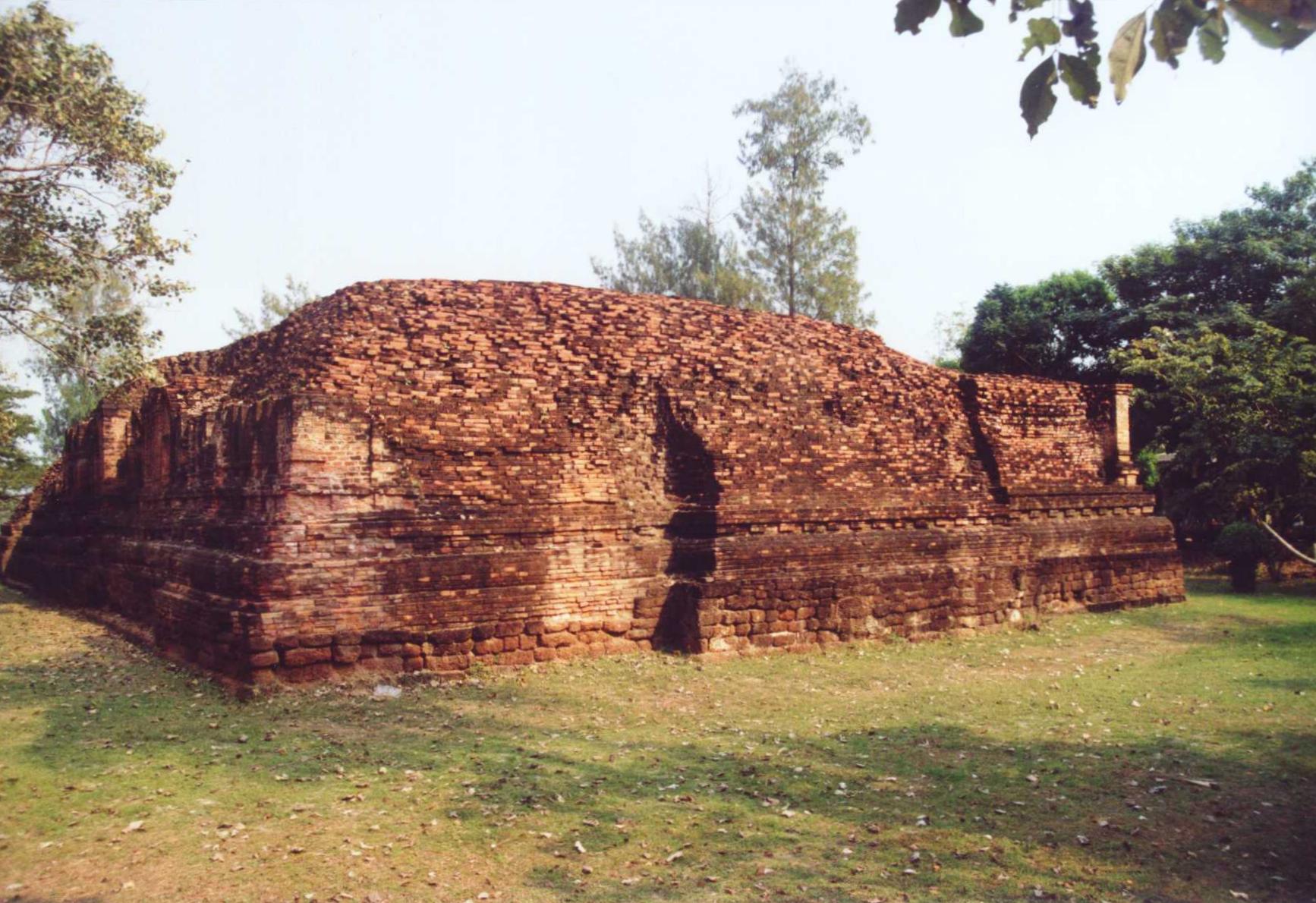
Khu Bua Ancient Town + Wat Khlong SuwankhiriA Dvaravati town dating to roughly the 7th century, 12 km from the city. Remains of ancient stupa bases are scattered across the community, and Ancient Monument No. 18 sits in the middle of town at Wat Khlong. Free to walk around.
16:00
Stroll through the Khu Bua communityIf your visit falls on a Friday–Saturday–Sunday, the Khu Bua Community Way Market is on, with Tai Yuan local food and dress-up photo booths. If not, you can still drive around to soak in the village atmosphere.
18:00
Head back to your hotel in townSave your energy for the next day. The city has hotels and riverside stays along the Mae Klong at a range of price points.

About the dragon jars

Ratchaburi's dragon jars have been made from local clay since before World War II. The raised dragon pattern on each jar is entirely hand-modelled. At Tao Hong Tai there are sometimes workshops where you can try shaping and glaze-painting your own. If you're interested, call the factory to check the schedule before you go.

🎟️

Book the activities in your Ratchaburi trip ahead

Booking online ahead on Klook or GetYourGuide is usually cheaper than the gate and skips the queue. Pick only the experiences you actually want — prices and availability are shown live on each site.

🎟️ See all Ratchaburi tours & activities (Klook)

Day 2 — The Museum and Tai Yuan Teen Jok Weaving

Day two goes deeper into the story. Start at the National Museum, which holds artefacts excavated from Khu Bua, then go see the living tradition itself — the Tai Yuan teen jok skirt-cloth weaving that Khu Bua subdistrict is known for.

Day 2

Museum · Teen Jok Weaving

09:30
Ratchaburi National MuseumHoused in the former provincial hall building from 1922, by the river near the clock tower. It displays Ratchaburi's history, archaeology, and ethnography, including artefacts excavated from Khu Bua. Entry is in the low tens of THB for Thais and 30 THB for foreigners. Open 09:00–16:00, closed Monday–Tuesday.
11:30
Lunch in the old-town areaEat your way around the old market in town — there are vintage coffee shops and local sweets to try before driving out to Khu Bua again.
13:30
Jipathaphan Museum, Ban Khu Bua (Wat Khlong Suwankhiri)A community museum completed in 2007, showing antique Tai Yuan jok textiles around 200 years old and recreations of traditional daily life. Open 09:00–16:00, closed Tuesdays.
15:00
Watch jok weaving at a weaving group in Khu Bua subdistrictKhu Bua subdistrict has several jok-weaving groups, such as the one at Ban Tai, Village 4. You can watch the jok pattern being picked out by hand, thread by thread, and buy a teen jok skirt cloth to take home as a genuine local souvenir.
16:30
Pick up souvenirs before heading homeTeen jok textiles, Ratchaburi ceramics, and local snacks are souvenirs you'll only find here. Save them for the end of the trip before the drive back.

Why Khu Bua Is the Heart of the Culture Trip

Khu Bua is a Dvaravati-era ancient town. Archaeologists have surveyed more than 60 monuments both inside and outside the old moat, with around 20-odd now excavated. Most are stupa bases showing the influence of Indian Gupta-period art. Important finds like Buddha-image heads and stucco devata figures are kept at the Ratchaburi National Museum — which is exactly why we've paired walking the museum with visiting the site itself, so you see both the real artefacts and the context of the town.

  • Dragon jars — hand-modelled work that's been part of Ratchaburi for nearly a century, free to see at Tao Hong Tai.
  • Dvaravati town of Khu Bua — thousand-year-old stupa remains in the middle of a community where people still live.
  • Tai Yuan teen jok skirt cloth — hand-woven jok patterns passed down from the Tai Yuan of Chiang Saen who migrated and settled at Khu Bua.

Adjusting the Plan to the Time You Have

Short on time

Only 1 day

Take the first half-day at Tao Hong Tai + d Kunst, then head to Khu Bua in the afternoon to cover Wat Khlong and the Jipathaphan Museum in one go. Save the National Museum for next time.

Weekend

Going on a weekend

Line it up with the Khu Bua Community Way Market, open Friday–Saturday–Sunday, for extra Tai Yuan food and dress-up photo booths.

Extend the trip

Want to add nature

If you've got a third day, head out to Suan Phueng or Khao Ngu Cave to swap the old town for mountains and waterfalls.

Browse well-located hotels in central Ratchaburi to use as a base for the culture trip

See Top 10 Ratchaburi Hotels →

FAQ

How many days do you need for a Ratchaburi culture trip?

Two days is just right. Day one covers the Tao Hong Tai dragon-jar pottery and the Khu Bua ancient town; day two takes in the National Museum and the Tai Yuan teen jok weaving. Everything sits within the adjacent Mueang district and Khu Bua subdistrict, with no more than 15–20 minutes of driving between stops. If you only have one day, you can do half of it.

Is there an entry fee for Tao Hong Tai, and what are the hours?

Tao Hong Tai is free to visit, open daily 08:00–17:00, with a café and photo spots. The affiliated d Kunst Art Space is open 09:00–18:00 and closed on Wednesdays.

When is Ratchaburi National Museum closed, and how much is entry?

It's open Wednesday to Sunday, 09:00–16:00, and closed Monday–Tuesday and on public holidays. Entry is in the low tens of THB for Thai visitors and around 30 THB for foreigners. It's housed in the former provincial hall by the river near the clock tower.

Where can you see Khu Bua teen jok textiles?

You can see them at the Jipathaphan Museum in Ban Khu Bua, at Wat Khlong Suwankhiri, which displays antique Tai Yuan jok textiles around 200 years old. It's open 09:00–16:00 and closed on Tuesdays. You can also watch the weaving in person and buy cloth at the jok-weaving groups in Khu Bua subdistrict.

Why is Khu Bua significant?

Khu Bua is a Dvaravati-era ancient town dating to roughly the 7th century, with more than 60 stupa remains scattered across the community. Its important finds are kept at the Ratchaburi National Museum, and it's also home to the Tai Yuan people, who have carried on teen jok skirt-cloth weaving to this day.

Copyright & Image Takedown Policy

Thailandaddict is created to review and share travel experiences. Where an image is sourced from elsewhere, we credit the source. If you are the copyright owner and prefer that your image not appear on this site, please contact us and we will gladly remove the image or correct the information.