🔄 Updated 21 Jun 2026
Aranyaprathet is a town where many ethnic backgrounds live side by side — Chinese, Vietnamese, Nyaw, Lao, and Khmer. Add to that its position right by the Poipet border crossing, where people walk back and forth every day, and the food here has borrowed from every direction until it became a flavor of its own. Plenty of dishes that Aran locals eat daily have roots on the Cambodian side, but the seasonings and the heat have been tuned to suit Thai palates around here.
This article doesn't take you across to the Poipet side — instead it points you toward Khmer-leaning food you can find on the Thai side, from morning clear-broth noodles to one-plate savory dishes to market sweets. The prices listed are rough ranges and can shift with ingredients and the season, so it's worth asking at the stall again before ordering a lot.
Clear-Broth Border Noodles — Where to Start
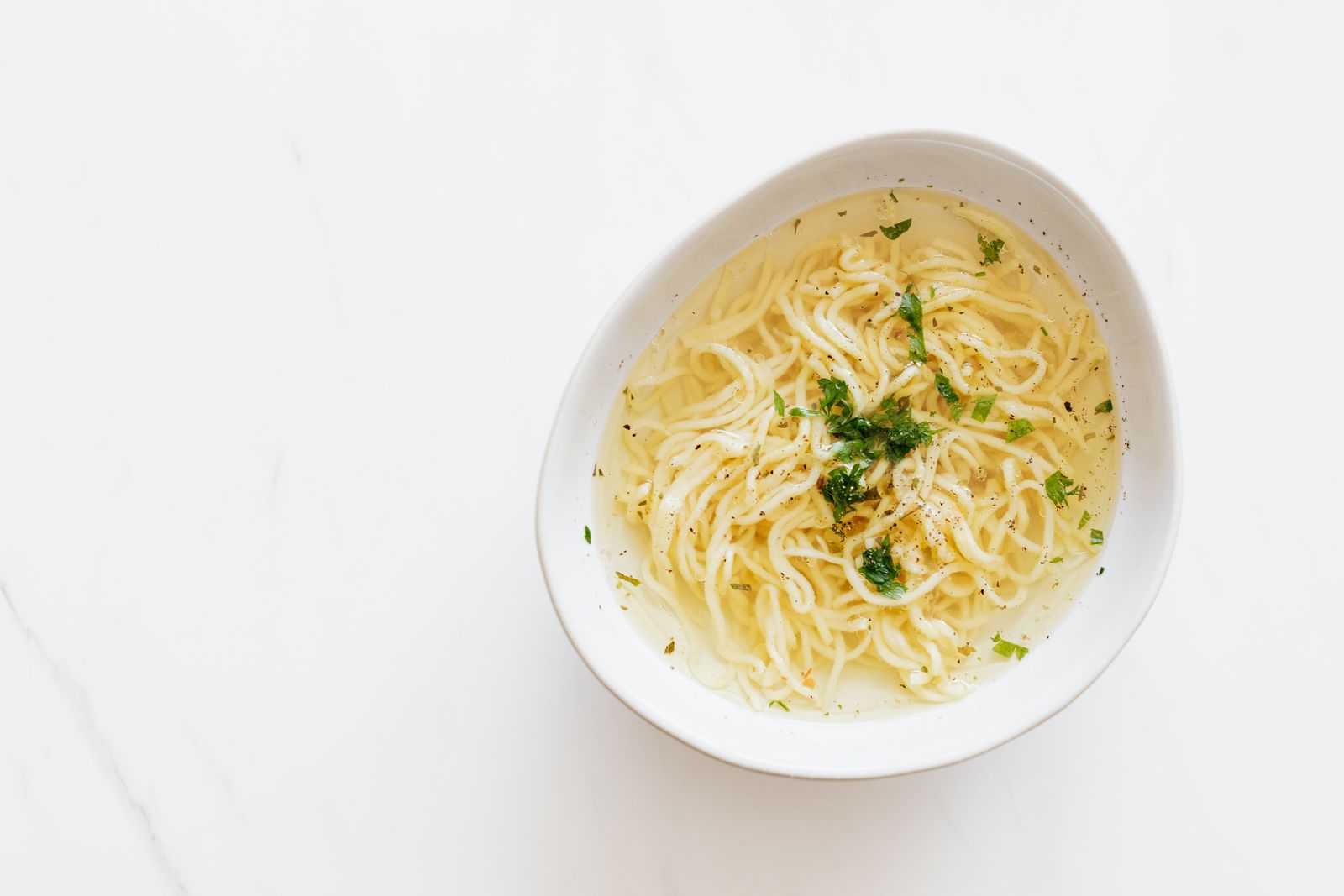
The Cambodian-leaning dish Thais know best is clear-broth noodles. On the Khmer side it's called kuy teav — rice noodles in a clear pork-bone soup, naturally sweet and rounded from bones simmered for hours, served without much seasoning so you adjust it yourself at the table. Cambodians eat it for breakfast the way Thais eat noodles, and once it crossed over to the Aran side it turned into the braised noodle soups and clear-broth kuay jab you'll find all over town. The flavor is gentler than the noodles you get around Isan, since it leans on the sweetness of the broth rather than sour and spicy notes.
Want to taste deeper? Try a Sa Kaeo food tour or cooking class
Half a day with a local who knows the lanes — or cooking a dish yourself — teaches you more than just eating. Book ahead on Klook or GetYourGuide.
Clear-Broth Noodles and Khmer Flavors Still Serving Today
Keng Tom Tun (Aranyaprathet)
A braised-noodle shop that Aran locals talk about for its clear broth, sweet and rounded from beef and bones simmered for hours. The standout is the braised-beef noodles, with meat falling-apart tender, plus the pork-leg rice many people order alongside. It's a breakfast-to-lunch spot, and one bowl makes it clear why clear broth is the star of the food around here.
Sabai Dee Braised-Beef Noodles (Aranyaprathet)
A braised-beef noodle shop in Aran town that leans on an easy-sipping clear broth, with tender braised beef and the rounded clear-broth flavor that signals the border style. Good if you want a simple bowl of clear-broth noodles in town without heading into the market.
Num Banh Chok (Khmer Noodles) Around Rong Kluea Market
Num banh chok is Cambodia's national noodle dish — fresh rice noodles topped with a yellow fish curry made from fish, lemongrass, turmeric, and ginger, much like Thai khanom jeen nam ya. You eat it with raw vegetables like banana blossom, cucumber, and local herbs. It turns up around Rong Kluea Market when Khmer vendors come over to sell. It isn't spicy, so kids can eat it too — and anyone wanting a taste of genuine Khmer flavor should try it.
Vietnamese Kuay Jab — Clear Broth in Aran Town
Aran has a sizable Vietnamese-descended community, so Vietnamese-style kuay jab — chewy noodles in clear broth — turns up at several shops in town, with Vietnamese pork sausage, minced pork, and fragrant fried garlic. It's a light breakfast that fits this town's border character. If you're tired of braised-pork noodles, switch it up with this.
Pork-Leg Rice & Braised-Beef Clear Soup, Aran Morning Market
The morning market in Aran town has stalls for pork-leg rice and braised-beef clear soup with the same sweet clear broth as the Khmer side, the beef and tendon simmered until they fall apart. Have it over rice or sip the soup on its own — it's a cheap breakfast that locals genuinely queue for, and if you arrive late it may be sold out.
Snacks in Rong Kluea Market (Grilled Squid & Fried Meatballs)
As you walk Rong Kluea Market you'll pass rows of border-style snack stalls — grilled squid brushed with a punchy dipping sauce, fried meatballs, Isan sausage, and all sorts of fried bites. They're handy for keeping hunger at bay during a long shopping stretch, the prices are easy, and cash is the smoother way to pay.
Palm-Sugar Sweets & Khmer Treats in the Market
The sweets stalls in Rong Kluea Market and the Aran morning market usually carry Khmer-leaning treats built around palm sugar — spongy khanom tan, layered khanom chan, and banana-leaf-wrapped sweets that are rich and sweet. Some vendors are Khmer sellers carrying them over the border. What's on offer changes by the day, so if you like rustic sweets, ask what they have that day.
Braised Clear-Broth Noodles Around Sa Kaeo Town
It isn't only Aran that has clear broth — Sa Kaeo town itself has braised beef-and-pork noodle shops with broth simmered long, rounded rather than punchy. Good if you're staying in Sa Kaeo town and want something light in the morning before setting off. It's the border flavor reaching all the way to the provincial capital.
Ordering Clear-Broth Noodles the Border Way
The clear broth around here is meant to be sweet and rounded from simmered bones, not loaded with seasoning. Try sipping the plain broth before you season, then add chili vinegar and ground chili a little at a time — that's how locals actually eat it. If a shop brings raw vegetables like banana blossom or bean sprouts on the side, that's a clear sign of the Khmer style, so pile them right in.
Cambodian Dishes Worth Knowing Before You Eat Near the Border
If you want to understand where Aran's Khmer-leaning food comes from, it helps to get familiar with these Cambodian-side dishes — it makes ordering easier and you'll know what you're eating.
- Kuy Teav — clear pork-bone rice noodles, eaten for breakfast across Cambodia; on the Aran side it became braised noodle soups and clear-broth kuay jab.
- Num Banh Chok — fresh rice noodles topped with a yellow fish curry from lemongrass and turmeric, much like khanom jeen nam ya, and considered Cambodia's national dish.
- Khanom Tan & Palm-Sugar Sweets — rustic desserts with palm sugar at their heart; both sides of the border make them similarly, sweet and fragrant in a homey way.
- Fried & Grilled Snacks — grilled squid, fried meatballs, and odd market bites that keep hunger at bay while you walk the border market.
- Khmer-Side Fruit & Dried Goods — dried goods, fermented fish, palm-sugar blocks, and seasonings carried over to sell, the ingredients that make the food around here taste different from anywhere else.
By Neighborhood — Where to Go for What
Rong Kluea Market & Khlong Luek Crossing
The border zone where the Khmer flavor runs strongest, with num banh chok, snacks, and palm-sugar sweets when Khmer vendors come over to sell. Good for eating as you shop.
Aranyaprathet Town
The hub for clear-broth noodles, Vietnamese kuay jab, and pork-leg rice at the morning market. Good if you're staying in Aran and want breakfast the way locals eat it.
Sa Kaeo Town
Braised clear-broth noodle shops scattered around town. Good if you're staying on the Sa Kaeo side and don't make it out to Aran — you can still get a light taste of the border flavor.
Before Heading to the Border or Thinking About Crossing
A lot of the Khmer-leaning food sits around Rong Kluea Market and the Khlong Luek crossing right by Poipet. The border situation, the crossing's opening and closing hours, and the rules for crossing can all change often. If you're planning to walk the border market or thinking about crossing into Poipet, check the latest situation and have your travel documents ready before you go. As for the Thai-side food this article recommends, you can eat all of it without crossing the border.
The Best Time to Hunt Down Khmer Flavors
Clear-broth noodles, pork-leg rice, and braised clear soup suit breakfast to lunch, since many shops like Keng Tom Tun open early and sell out in the afternoon. The snacks and sweets in Rong Kluea Market are there to graze on all day while the market is open, roughly 07:00 to 20:00. If you want to catch num banh chok or Khmer sweets that Khmer vendors carry over, go morning to late morning, because those arrive unpredictably and sell out fast. Bring cash with you — plenty of stalls in the market still don't take transfers.
Plan a full eat-and-explore trip in Sa Kaeo
See the Sa Kaeo travel guide →