🔄 Last checked 26 Jun 2026 · details and hours can change — check the venue before you go
📍 All restaurants on the map
Tap a pin for the spot + nearby stays
Most people think of Nakhon Sawan as just a waypoint on the road north, but this city has far more to offer than that. The heart of it is the Pak Nam Pho neighbourhood — an old riverside community where Chinese settlers have lived for generations. Walk in any direction and you'll find shrines, colonial-era shophouses, old coffee shops mixed with gleaming new malls. This is where the Ping, Wang, Yom, and Nan rivers converge to form the Chao Phraya, so you can see the famous "two-coloured river" right here at Pasan, the spectacular curved landmark on the riverbank. The wider area has Bueng Boraphet — Thailand's largest freshwater lake — Wat Khiri Wong perched on a hill with a 10-storey city observation tower, the riverside public space at Koh Yuan that many visitors compare to the Cheonggyecheon Canal in Seoul, and Utthayan Sawan park for the city's runners and evening strollers.
What makes Nakhon Sawan's spots worth the deeper look are the stories behind them. Bueng Boraphet in winter draws thousands of migratory birds — boat trips at dawn through lotus fields are genuinely special. Pasan is a city-built landmark that residents pushed hard to make happen. Koh Yuan transformed a wastewater treatment canal into a public green space stocked with over twenty thousand carp. Central Nakhon Sawan arrived with a Chinese Village concept and an LED dragon said to be Thailand's longest. And Pak Nam Pho's Chinese New Year parade — 12 days and 12 nights of processions, fire-walking, and dragon performances — is famous nationwide. For history lovers there's the 100-year-old Chumsan Market by the Nan River. Nakhon Sawan is worth a proper stop; this list tells you where to start.
Bueng Boraphet
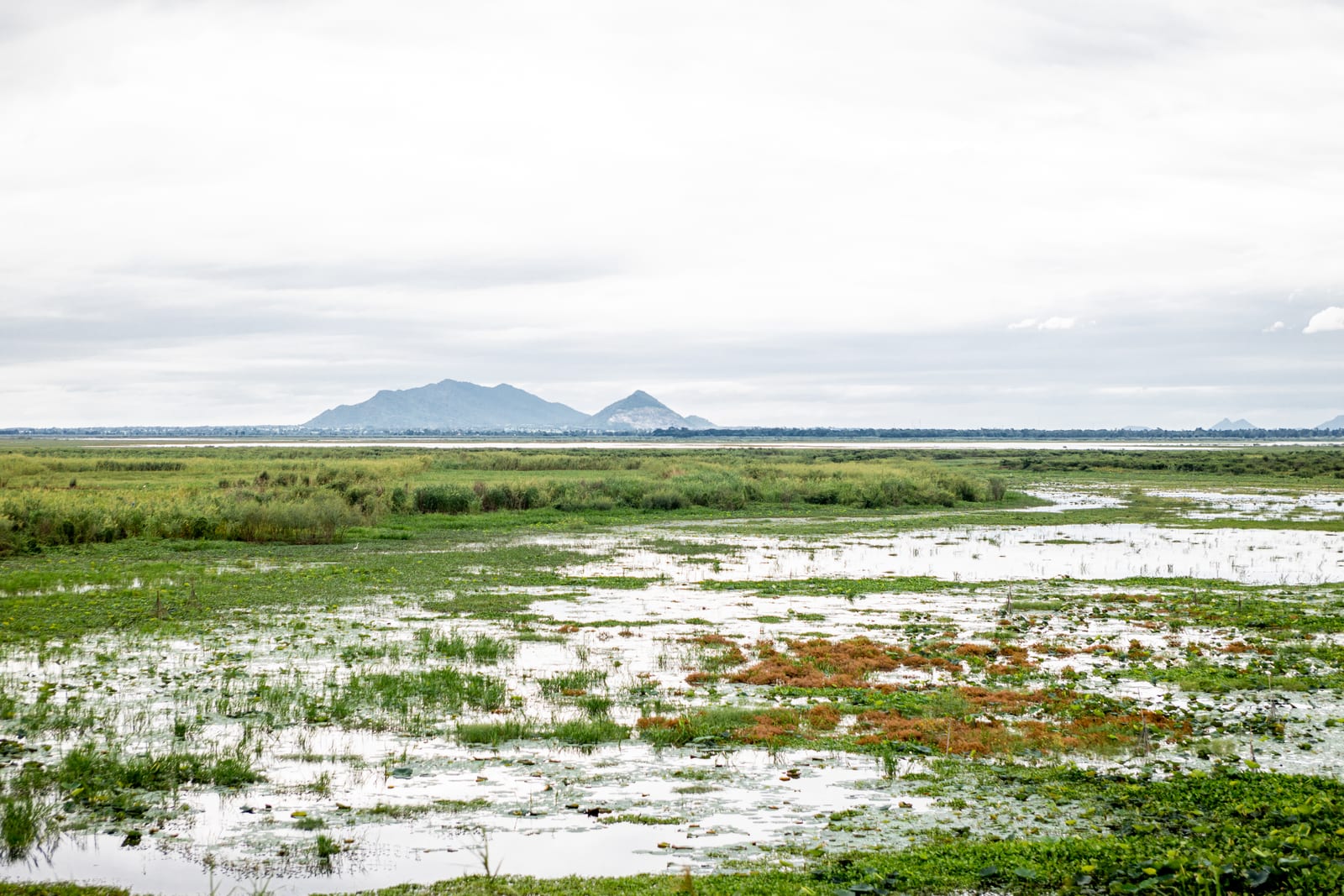
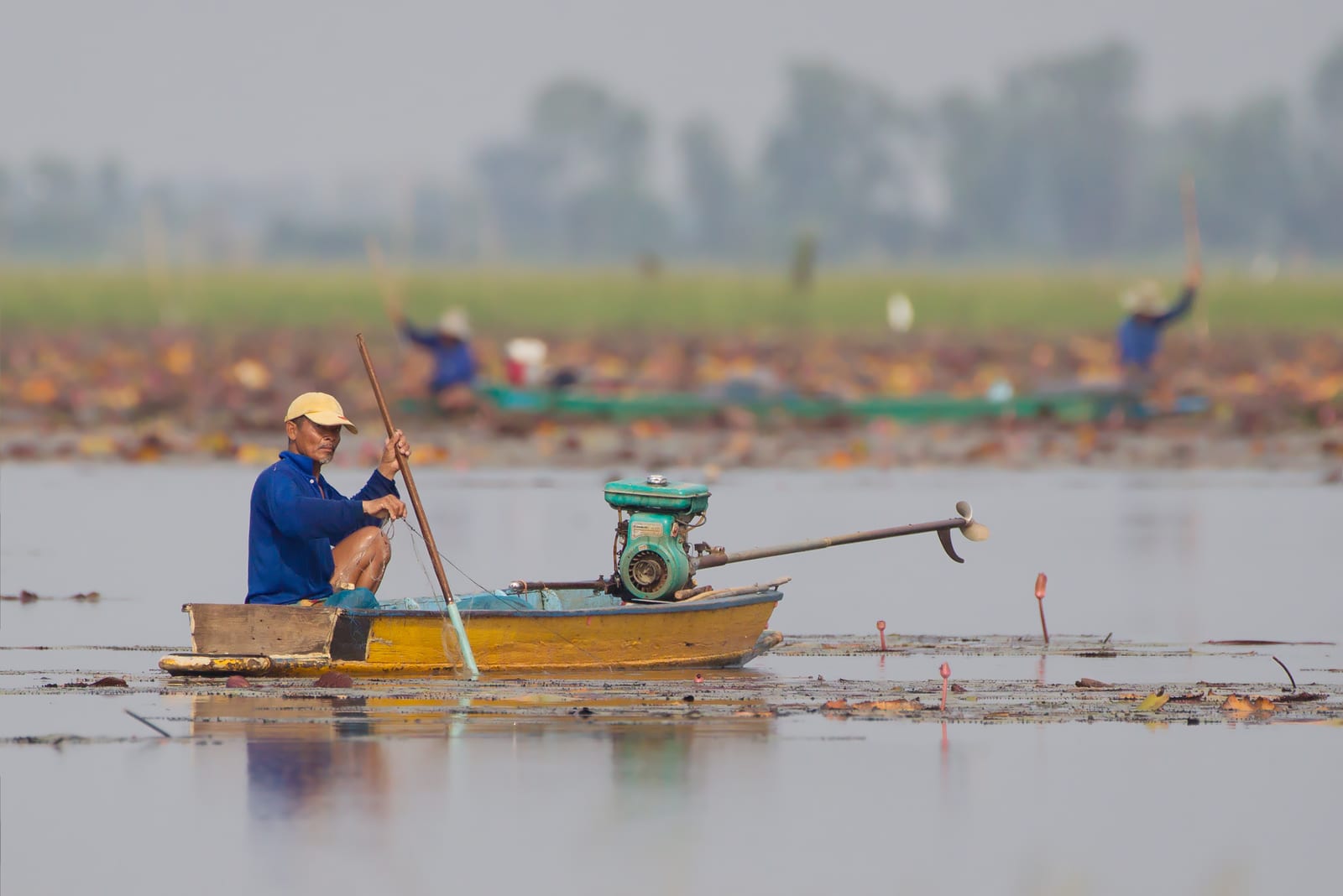
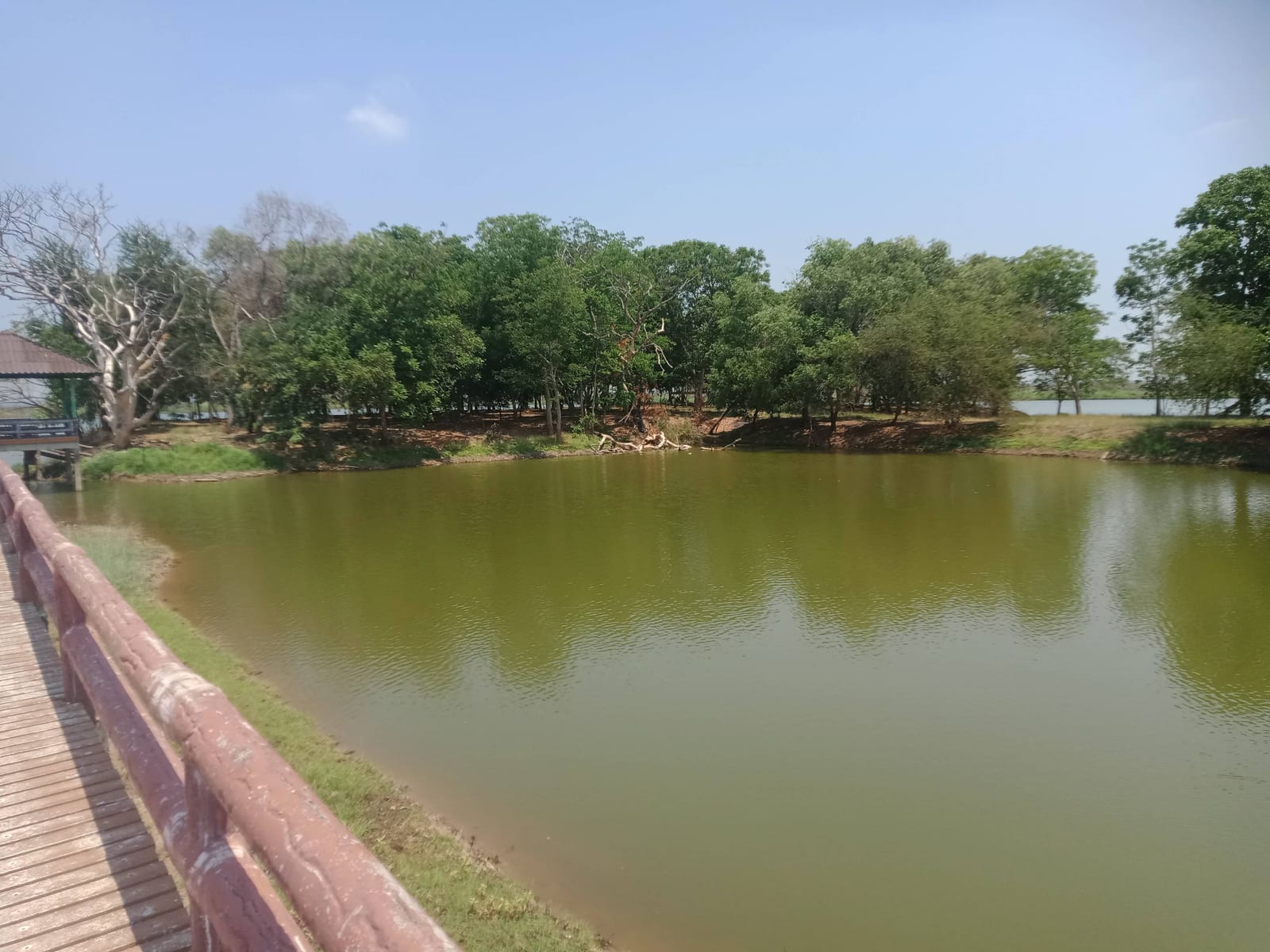
Bueng Boraphet is Thailand's largest freshwater lake, covering over 132,000 rai and spanning three districts of Nakhon Sawan — Mueang, Tha Tako, and Chumsan. Anyone who loves wide open nature, birdwatching, boat rides, or just wants to bring a family out for a photo walk should put this at the top of the Nakhon Sawan itinerary — it's big enough to feel like a genuine lakeside destination rather than just a town pond.
The single most talked-about highlight is taking a boat to see the red lotus fields at Ban Rang Bua in Tha Tako district. The flowers bloom from about 06:00 to 09:30 before they close for the day, and multiple reviews agree that coming at dawn gets you both the soft light and the fully open blooms. Birdwatchers should visit in winter (roughly November–February) when resident waterbirds like the Oriental darter and cormorant are joined by migratory species in large numbers — local boat drivers know all the hotspots and will point out nests like a proper guide. The other unmissable stop is the 80th Birthday Royal Aquatic Wildlife Exhibition Building, which features a 24-metre underwater fish tunnel, over a hundred species of rare freshwater fish, a touch pool, and a crocodile show — excellent for children.
Pricing is manageable: a charter boat fits 10–15 people for roughly 600 THB; the community boat service at Ban Rang Bua charges about 100 THB per person (under-5s free). The aquarium admission is 49 THB adults / 19 THB children. Open daily around 09:00–16:30. The main lake and viewpoint areas are free to walk; there's a wide car park and riverside food stalls and coffee shops to relax at.
Practical note: check the lotus bloom status and water levels with the park page before setting out — lotus density and bird numbers change significantly with season and water level. Some weekends in winter can be very crowded. Arrive early, bring a hat and sunglasses, and time your morning boat to catch both the beautiful light and cool air before the sun gets strong.
Pasan (Chao Phraya River Source Landmark)
If you're driving through Nakhon Sawan and have a little time, Pasan is the stop to make. It's a landmark building at the source of the Chao Phraya River, standing on the Kaeo Yom Peninsula right at Pak Nam Pho — the exact point where the Ping, Wang, Yom, and Nan rivers converge to become the Chao Phraya. The building's sweeping curved arches reference four rivers flowing into one; even the name "Pasan" comes from the Thai word "phasan" meaning "to merge." It suits architecture enthusiasts, check-in culture lovers, and anyone who wants to find a breezy riverside seat as the sun goes down.
The highlight not to miss is the two-coloured river view: when river levels are right you can clearly see the Nan (right bank) running reddish-brown while the Ping (left bank) runs green — they meet right here. The other crowd favourite is coming at sunset: no harsh heat, a cool breeze, and the sky shifting colours behind the curving building makes for excellent photos. Walk along the structure, watch the river life on both banks, and find a spot to sit and enjoy the breeze.
Free entry. Wide grounds, convenient parking, clean toilets. Open daily 06:00–20:00. Genuine reviews mostly praise the striking modern architecture and the description that "the building is beautiful and contemporary, blending Thai and Chinese elements well," but note that there isn't much to do beyond photos and sitting — it's better suited to a scenic stop than an all-day destination. This is one of the city's newest landmarks, serving simultaneously as a photo spot, viewpoint, and storytelling centre for the Chao Phraya's origins in one place.
Tips before you go: midday sun can be intense since it's an open riverside plaza — bring a hat or umbrella. For the clearest two-coloured river view check that water levels are high. If you're coming for the sunset, arrive a little early to get a good spot before others crowd in.
Wat Khiri Wong and Nakhon Sawan City Tower
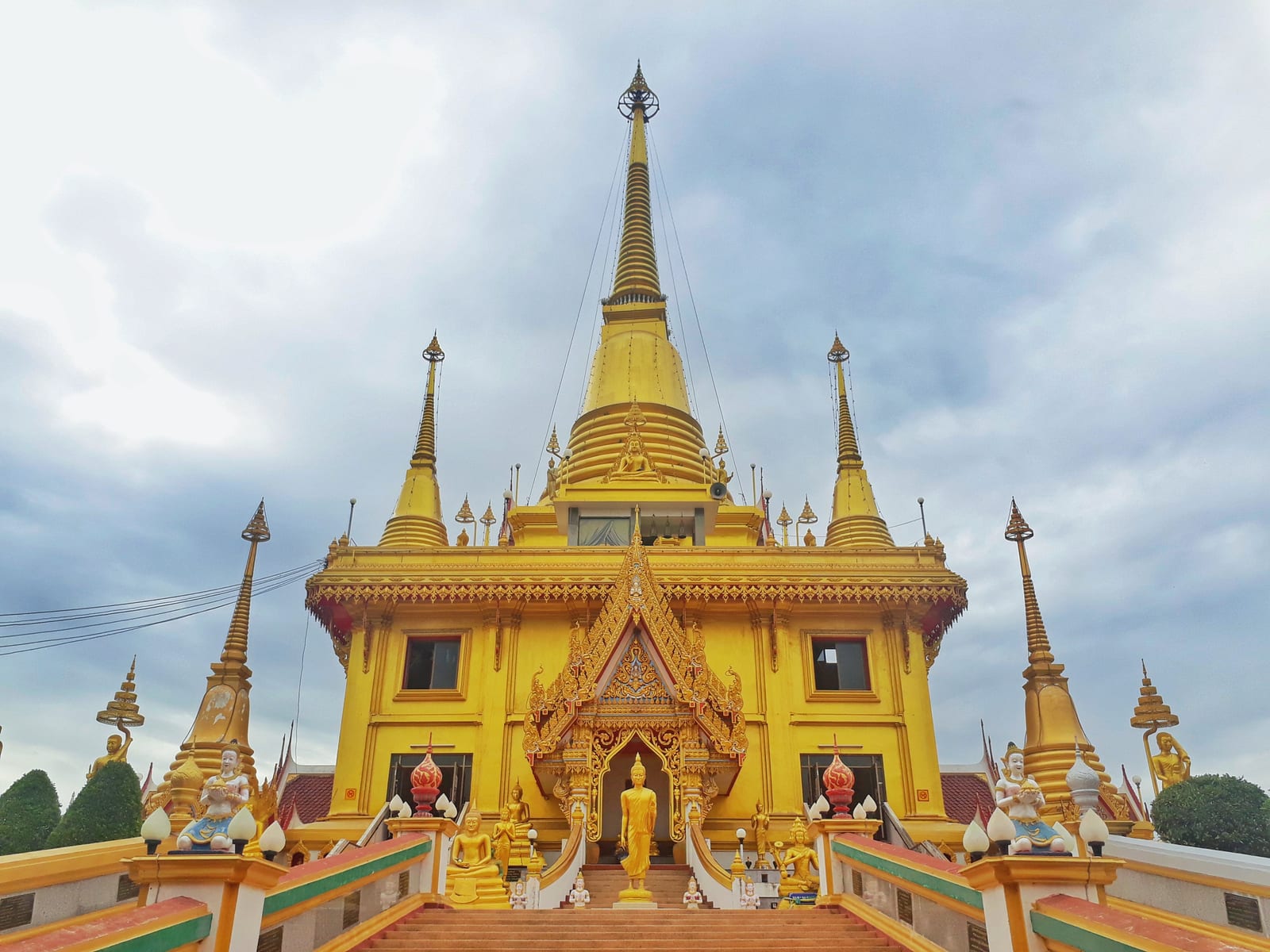
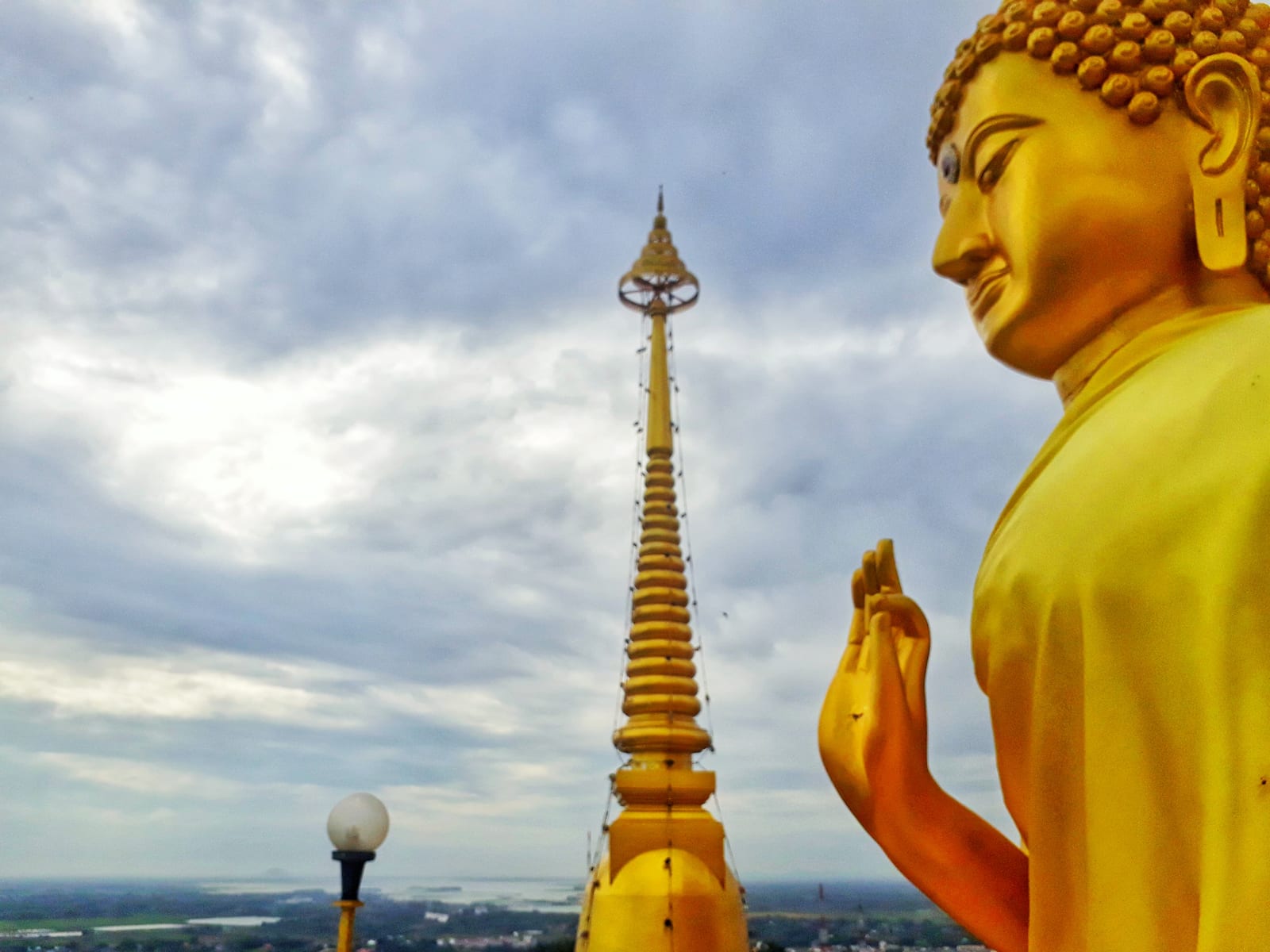
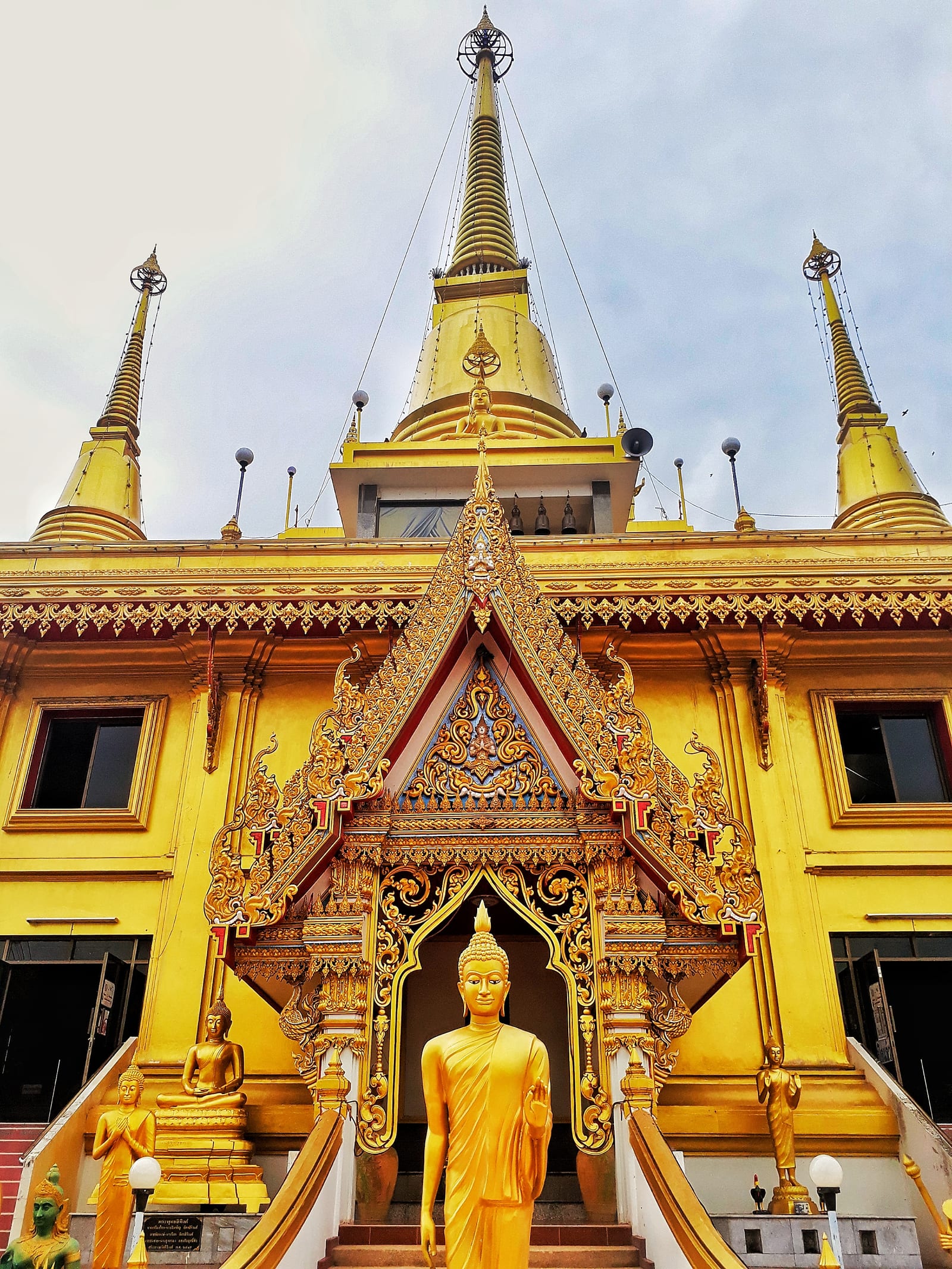
Wat Khiri Wong is the hilltop temple in the middle of Nakhon Sawan that locals regard as the spiritual heart of the city. It sits on Khao Dao Dueng hill right in the city centre — you can drive up to the upper car park without much walking, which suits worshippers, photography lovers, and families with elderly visitors alike. The star of the show is the Chullamani Chedi, a gleaming four-storey golden pagoda on the hilltop that's visible from far away. Each floor contains Buddha images, a footprint replica in the 12 zodiac signs, and the upper spire enshrines sacred relics.
Don't miss climbing to the top floor of the chedi for a 360° view of Pak Nam Pho — you can see the river, the market, and on a clear day all the way to Bueng Boraphet. Equally worth it is the "Nakhon Sawan City Tower," a 10-storey observation tower about 32 metres tall in the same compound — there's a lift to the roof terrace for an unobstructed panorama of the city on all sides. Many reviews say the late-afternoon breeze makes that the best time to visit. Some evenings the tower hosts stargazing activities.
Temple and chedi entry: free, donations welcome. City Tower: small admission fee. The whole trip is very budget-friendly. The temple is directly opposite Nakhon Sawan Vocational College on Matu Li Road at Dao Dueng Road. Temple open daily roughly 08:00–17:00; City Tower open Mon–Fri approximately 10:00–16:30 (check tower hours on holidays as it can close). If you plan to go up the tower, a weekday mid-morning to early afternoon visit aligns best with opening times.
This is popular because it combines worship, merit-making, and the city's highest viewpoint all in one easy-access location. Visitor reviews consistently give it high marks. The one thing to know: dress modestly as it's a temple, and if the tower is your goal, weekday visits are safest to ensure it's open.
Koh Yuan (Khlong Yuan Chuan Rak)
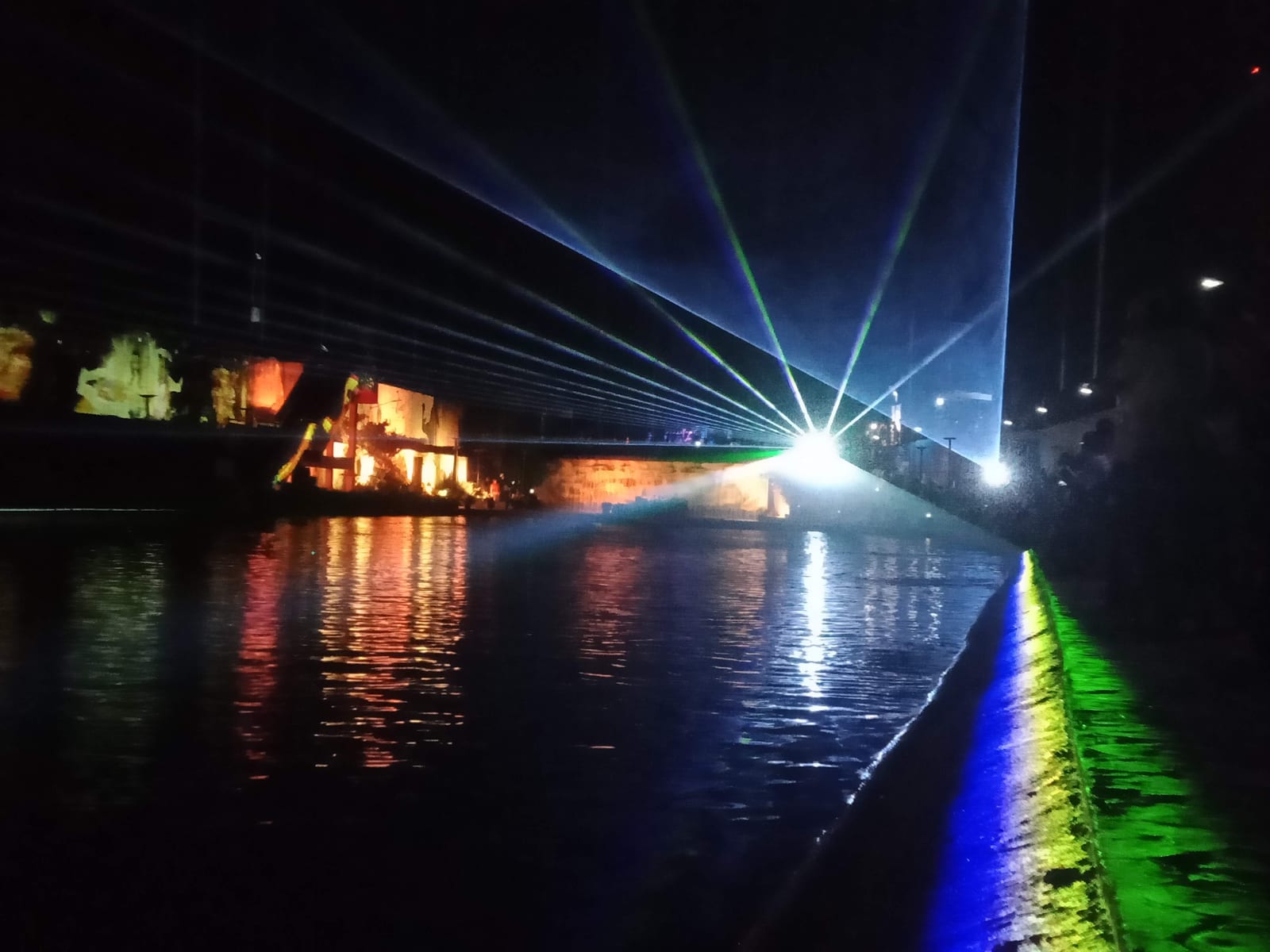
If you think Nakhon Sawan is only Pak Nam Pho and the Theppharak shrine, visit "Koh Yuan" — officially "Khlong Yuan Chuan Rak" — and you'll be pleasantly surprised. This is a 300-rai public space in the middle of the city where the municipality transformed a wastewater-treatment canal (processing over 36,000 cubic metres of water per day) into a walkable canal-side loop. The vibe strongly resembles the Cheonggyecheon canal in central Seoul — visitors have posted photos saying it looks like strolling through a foreign city while actually being in central Nakhon Sawan. It suits families with children who want to run around, couples for an evening walk, and photography lovers who want fresh angles.
The unmissable highlight is feeding the fish. The canal water is clean enough to support over 20,000 koi and native Thai fish (the municipality specifically put them in to prove the treated water is genuinely clean). When you toss food in, a mass of orange and white fish surges up at once — children absolutely love it. Fish food bags cost 10 THB each, easy to buy on-site. There's also a small weir waterfall with a pleasant water-sound, street-art murals on the walls for photo backdrops, canal-side seating, and fully accessible pathways with ramps for pushchairs.
Entry is completely free — you only spend on fish food. Street parking nearby. Located within the Nakhon Sawan municipality on the Koh Yuan side (Pak Nam Pho sub-district near the Ping–Nan river junction). Opening hours to note: on weekdays the park typically opens in the afternoon through the evening; on weekends and holidays it opens all day from mid-morning to late.
Tips from real visitors: the best time to come is from about 17:00 onwards on a weekday — cooler and more pleasant walking than midday when some areas lack large trees. Note that the koi are sometimes temporarily relocated for maintenance, leaving the canal temporarily fishless — if feeding the fish is the main reason for your visit, check the park page or ask locals before going. The Google rating sits at 4.5 from over a thousand reviews, confirming this is genuinely popular with both residents and tourists. It's a free relaxation spot that delivers a sense of being somewhere abroad without leaving the city.
Utthayan Sawan (Nong Sombun)

If you're visiting central Nakhon Sawan and want somewhere to stretch your legs, Utthayan Sawan — or as locals call it, "Nong Sombun" — is where city residents head almost every evening. It's a large park of roughly 314 rai in the city centre with a wide lake in the middle. Around it runs a two-lane tree-lined road loop. It really is the city's green lung. Whether you're a runner, a cyclist, a parent bringing children to feed the fish, or someone who just wants to sit and enjoy cool air, this park delivers.
The photo highlight that everyone has to shoot is the giant Sawan Dragon at the entrance — flanked by two smaller fire dragons and two water dragons in keeping with the Chinese heritage of the Pak Nam Pho area and the city's famous dragon procession. Reviews consistently note how striking and prominent the dragon sculptures are, especially in the late afternoon when golden light hits the water. Runners have a main outer loop of roughly 3.3 kilometres plus shorter inner circuits. There are fitness equipment stations, an aerobics area, pavilions for rest, and picnic spots scattered throughout.
Free entry and free parking. Normally open roughly 07:00–18:00, though in the evening hours people continue walking. In front of the park there's a coffee shop with indoor and outdoor seating; the surrounding area has restaurants, cafés, massage shops, and a mall to continue your visit. Located in Pak Nam Pho sub-district on the Asia Highway, close to the bus station — easy to reach by multiple routes.
A small note: mid-morning to midday the open lake area can be quite exposed and hot. Early morning or after 16:00 is ideal. Toward the end of the year the park sometimes hosts lantern festivals and light installations, making it especially photogenic and crowded during those periods.
🛏️ Hotels in Nakhon Sawan
With attractions spread across the city and the outskirts, staying in the Pak Nam Pho area or close to the town centre is the most convenient base — close enough for an early morning run to Bueng Boraphet and a quick evening stop at Central Nakhon Sawan for dinner. We've selected well-located hotels with strong real reviews so you can compare prices and book without hesitation.
🔍 Check Nakhon Sawan hotel prices (Agoda)Khao No-Khao Kaeo (Wat Khao No)
Khao No-Khao Kaeo are two limestone hills standing alone in the rice fields alongside the Nakhon Sawan–Kamphaeng Phet Highway (Highway 1), visible from a long distance. What draws people to stop is how much this single spot packs in: monkey troops, a cave temple with a reclining Buddha, a stairway climb to a summit viewpoint, and the evening spectacle of bats streaming out of Khao Kaeo cave in a long dark ribbon across the sky. It's the kind of attraction Nakhon Sawan residents and passing travellers both keep coming back to — free entry and no planning required.
The moment you pull into the car park you'll be met by a troop of hundreds of macaque monkeys waiting to be fed. Vendors sell monkey food and snacks for a few dozen baht each — though veterans warn you to keep bags and loose items close, as the monkeys are very used to humans and skilled at snatching. Those who want to climb to the Buddha footprint summit on Khao No face a stairway and a near-vertical iron ladder totalling close to 700 steps. Reviews confirm it's a real workout taking 1–2 hours to ascend and descend — but at the top you get a 360° paddy-field panorama that's well worth the effort. Below the summit there's a cave temple with a reclining Buddha image to worship as well.
Free entry. Open daily roughly 08:00–18:00. If you're specifically coming for the bats, time your visit for near-dusk — tens of thousands to hundreds of thousands of bats begin streaming out of Khao Kaeo cave around 18:00, forming a long dark streak across the sky in waves for an extended period. Getting there from Nakhon Sawan town: drive roughly 45–50 km toward Banphaet, about 50 minutes. The location is on the main highway, easy to find, with a large car park.
Tips from past visitors: if you're climbing, wear shoes with good grip and bring water — the iron-ladder section is steep and hot. Budget extra time in the late afternoon to watch the bats after you descend, making the most of one stop. If you have young children, keep to the lower section and the monkey feeding area, as the upper ladder is not suitable for small kids. Secure food, plastic bags, and sunglasses before approaching the monkey troop.
Central Nakhon Sawan
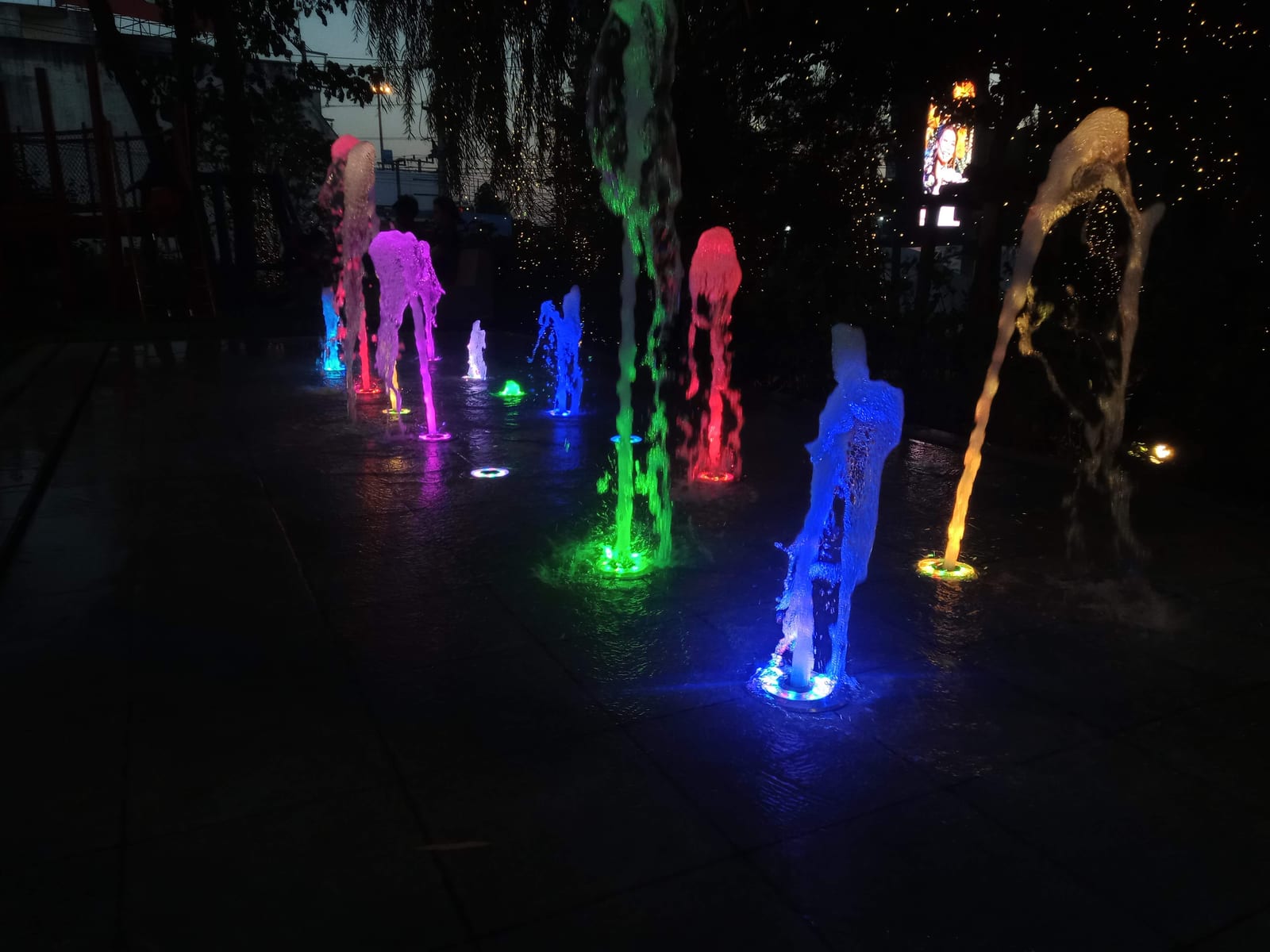
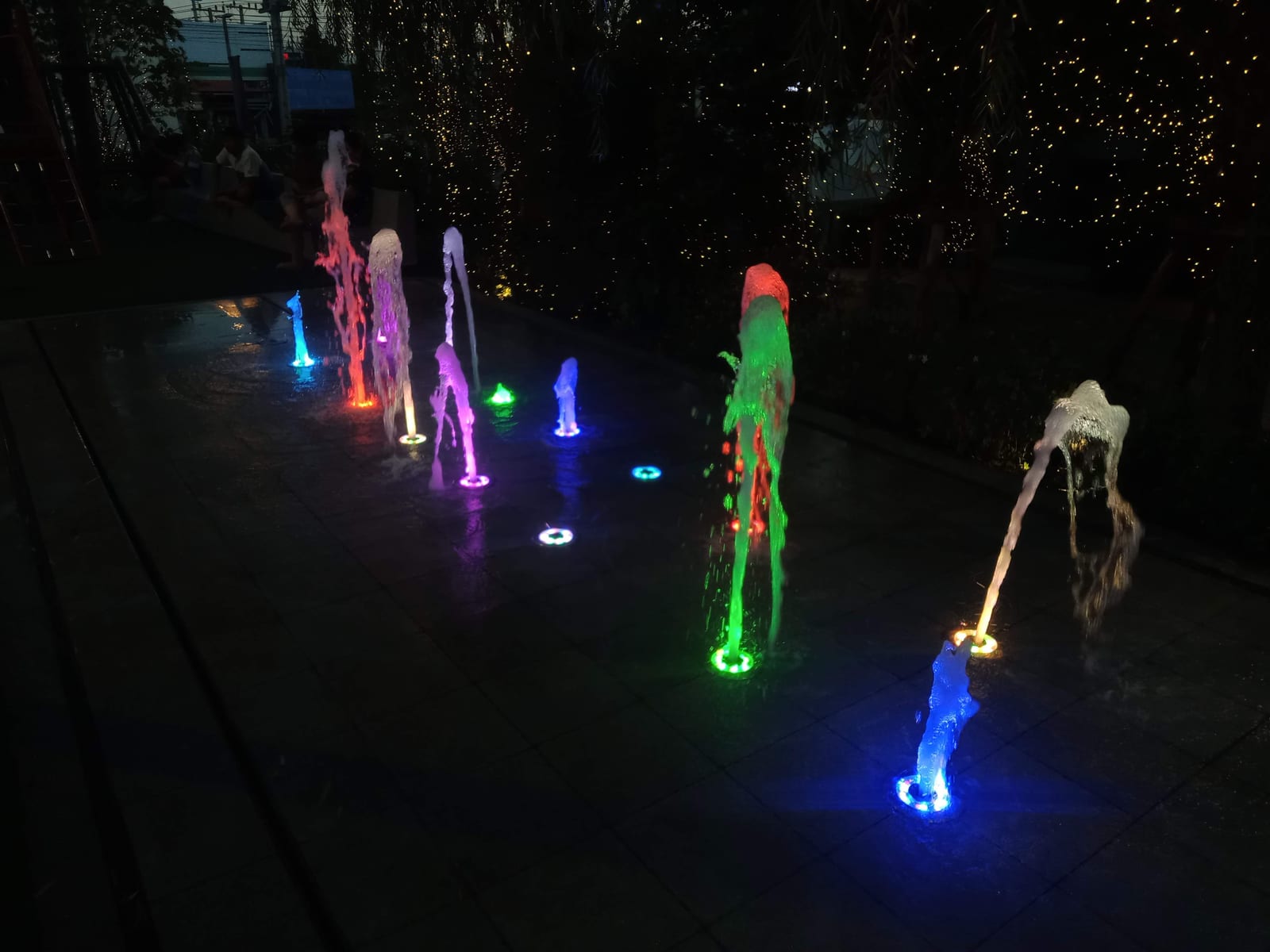
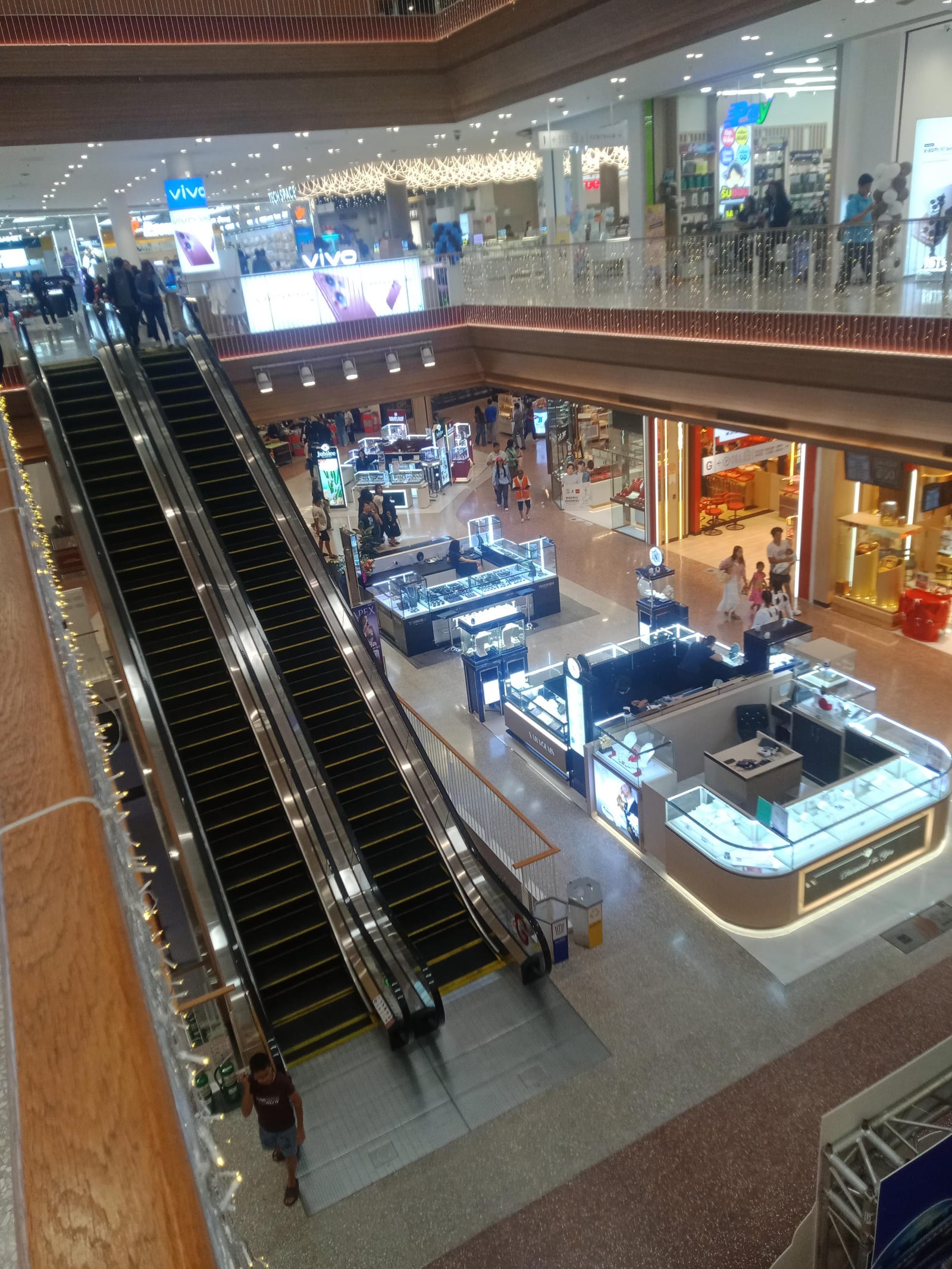
If you're in Nakhon Sawan and want a single place to shop, eat, take photos, and relax in one air-conditioned spot, Central Nakhon Sawan is the address nearly every local household mentions. It opened on 31 January 2024 and is the largest and most complete mixed-use mall in upper Central Thailand. The four-storey main building hosts hundreds of brands across fashion — both Thai and international — restaurants, cafés, banks, tech zones, and more. What makes it distinct from other Central branches is the Chinese Village concept, drawing on the story of Pak Nam Pho and the two-coloured river (Ping and Nan converging into the Chao Phraya) expressed through the design. It suits families with children or elders in tow, and young café-hoppers and check-in enthusiasts equally.
The highlight that draws the most photos is the central atrium landmark shaped like a fortune-teller's bamboo tube, surrounded by sculptures and Chinese-patterned murals painted on the walls. Multiple reviews say it's "stunningly decorated — Thai and Chinese elements blended just right." Stepping outside you'll find a 2-rai Urban Park with lantern walkways, a children's play zone, a pets area, and Longevity Hill — another popular dragon sculpture photo spot. Movie fans can head to the 3rd floor for SF Cinema's Zigma Cinestadium with 4K laser projection and Dolby Atmos. Food lovers have the Food Patio collecting Pak Nam Pho's popular local restaurants alongside Bonchon, BBQ Plaza, MK, KOI Thé, and a Tops Market superstore.
Free entry. Ample car parking in the front lot and underground (free). Open daily 10:00–21:00. Centrally located on Phahon Yothin Road in the Nakhon Sawan Tok side, surrounded by government buildings, schools, and a hospital — easy to reach by multiple routes. The mall became popular quickly as the city's first large-format mall, with steady foot traffic and seasonal events; the Chinese New Year period in particular draws dragon parade performances that are one of the city's signatures.
Practical note: long holidays and festival periods can be very crowded and parking fills fast. If you want to browse comfortably, a weekday afternoon is ideal. For photographing the atrium landmark and the Urban Park, the early evening when the lights come on produces better shots than midday.
San Chao Pho Theppharak and Chao Mae Thapthim and Paknam Pho Chinese New Year
If you want to truly understand the soul of Nakhon Sawan, come to San Chao Pho Theppharak and Chao Mae Thapthim on the Chao Phraya riverbank, facing the Pak Nam Pho market. This Chinese-red shrine, over 130 years old (said to have been built around 1870 in the early reign of Rama V), enshrines Pun Tao Kong, Guan Yu, and Chao Mae Thapthim — deities deeply venerated by the Chinese-descended community here. Walk inside and you'll encounter incense smoke, red lanterns, and a steady stream of devotees coming to seek blessings for luck and prosperity throughout the day. It suits spiritual travellers, blessing-seekers, and anyone who wants to encounter an authentic Overseas Chinese community in its natural setting.
The real highlight here is the Chinese New Year period, because this shrine is the centrepiece of the Pak Nam Pho deity procession — also known as the Pak Nam Pho Chinese New Year festival — a tradition of over 100 years (said to have started around 1917 after the deities helped ward off a disease outbreak). The event runs for 12 days and 12 nights with processions escorting the deities around the market, accompanied by golden dragon floats, lion dance troupes, Eng Ko (108 warriors painted in vivid colours), Lo Kou, Pa Bu, and Guan Yin processions. The unmissable moment is the night procession: Eng Ko in luminescent costumes, fire-throwing lions and dragons, and a firewalking finale by the spirit mediums. The whole city is electric and every roadside is packed with spectators and cameras.
Shrine entry and worship: free. Budget only for incense and offering items — a few dozen baht. The shrine is open daily during daytime (roughly 08:00 onwards, sometimes earlier). The Chinese New Year festival falls during the lunar calendar Chinese New Year (late January–February). The shrine is in the old-town neighbourhood, easy to get to, with street parking around the Pak Nam Pho market. It's close to the Pasan landmark, making for a natural same-day pairing.
This shrine is popular because it's both a spiritual anchor for locals and a nationally famous cultural spectacle. Google reviews score it at about 4.6, praising the striking and atmospheric shrine and the warmth of the staff. Practical note: if you come during Chinese New Year the crowds are enormous — allow extra time and plan parking. Dress modestly. Keep your bag secure in crowded spots. Visiting at a normal time of year is calm and peaceful — a quiet moment to make merit without any rush.
Chumsan 100-Year Market (Mueang Chumsan 100-Year Market)
If you want to get out of the main city while in Nakhon Sawan and walk a genuinely old market, Chumsan 100-Year Market (officially the 100-Year Mueang Chumsan Market) is worth the extra distance. Located in Chumsan district, roughly 40 km from the city, it's a Nan Riverside trading community that grew alongside Chumsan Railway Station on the Northern Line from around 1907. It was once a thriving rice trading centre with Chinese migrants who left behind a legacy of wooden and ancient Chinese shophouses, over 100 years old, lined up along the tracks. It suits people who love vintage atmospheres, retro photography, and fans of the TV drama "Krong Kram" (Cage of Karma), which used this market as a filming location and sent a wave of fans to trace the footsteps of the show.
The highlight is strolling slowly through the old buildings and Nan River waterfront life, followed by local food at prices that will make you smile. Reviewers mention the vintage-style boat noodle soup (Tom Yum style), thick Chinese-style gravy rad na at Nai Kor shop, satay at Jeh Liang's, grilled pork at Jeh Boo's, pork offal soup at Jeh Hung's, queued-for pad thai, Ah Heng's chicken rice, and coconut ice cream to close. Those who want to explore further can cross the Nan River on the Hiranrammit Suspension Bridge for scenic views.
Free market entry. Most food items cost around 20–60 THB. Located right by Chumsan Railway Station and the Nan River — street parking nearby. The market is open daily but is liveliest in the morning through mid-morning; popular shops sell out fast or close in the afternoon, so arriving early means more options. Special festivals around the Chumsan Guardian Deity events (roughly February and December) draw bigger crowds.
Note: this is a real living community, not a purpose-built tourist market. Some ordinary weekdays are quiet and the charm is in the understated authenticity rather than spectacle. A walk of 1–2 hours covers the whole area comfortably. It pairs well with a nearby temple or railway station visit in the same trip. If you love genuinely old markets without commercial gloss plus good cheap food, this one hits the mark.
Engineer Sheep Farm
Engineer Sheep Farm is a farm-themed check-in spot in Nakhon Sawan run under the care of the 4th Engineer Battalion at Chiraprawat Camp. The 30-rai site is a mixed agro-tourism venue — great for families bringing children to interact with animals, and photography lovers who want pastoral farm backdrops without a long drive. The name says sheep farm but the reality is broader: sheep, goats, horses, wild boar, deer, chickens, ducks, geese, and fish — enough variety to keep children entertained for an entire afternoon.
The must-do is feeding the sheep and other animals — buy a bundle of grass for 5 THB and hold it up to the fence for the animals. Those who want unique photos can rent a cowboy outfit or try horseback riding for around 50 THB. Beyond the animals, the farm has a wooden bridge in the middle of the rice paddies, a lotus pond, a vegetable archway tunnel, seasonal flower fields (particularly beautiful in late year through early year when flowers are in full bloom), and a vintage-style café where you can sit with a cold drink.
Genuine reviews consistently say the atmosphere is pleasant, the setting is relaxed, the photo opportunities are plentiful, the animals are cute, and children love it. Some visitors are regulars because it's close to home and the coffee is good. The biggest advantage is free entry — you only spend on grass bundles or optional activities. A walk-and-photo session of 1–2 hours is very comfortable and well worth the trip.
Located inside Chiraprawat Camp, near the Chiraprawat Golf Course, in the Takhian Luean–Klang Daet sub-district border area, Mueang Nakhon Sawan. Open daily 08:00–18:00. A practical note: the flower fields and greenery change with the season — check the farm's social media before visiting if seasonal blooms are your main draw. Mid-morning or afternoon visits with softer light are better for photos and walking than the harsh midday sun.
Tickets and Tours in Nakhon Sawan
Want to make the most of Nakhon Sawan without planning every detail yourself? Browse tickets and tours through Klook or GetYourGuide — from Bueng Boraphet boat trips to multi-spot guided tours of Pak Nam Pho in a single day. Many packages include a guide and can be booked online so you skip the queue on arrival. Ideal for short visits where you want to cover the highlights efficiently.
💡 Know Before You Go: Nakhon Sawan
Attractions are spread across the city and beyond — Bueng Boraphet and the Sheep Farm are on the outskirts. A private car or rental is most convenient. Grab is available in the city but not in large numbers — keep the app handy in case you need a ride.
The Chumsan 100-Year Market, Pak Nam Pho market food stalls, fish food at Koh Yuan, incense at the shrine, and Bueng Boraphet boat fees are mostly cash transactions. ATMs are easy to find in the city and in the malls.
Bueng Boraphet, Pasan, and the public parks are at their most beautiful in the morning and evening — cooler light and no harsh midday glare, with beautiful sunsets as a bonus. Avoid midday heat. Koh Yuan opens in the afternoon on weekdays.
The Pak Nam Pho deity procession during Chinese New Year (January–February) runs for 12 days and 12 nights and draws huge crowds. Accommodation books out quickly — reserve hotels weeks in advance if you plan to attend.
Nakhon Sawan is primarily a Thai-speaking city. English signs and menus exist in the malls and at major tourist sites but are sparse in markets and small shops. Keep a translation app ready or point at pictures.
Central Nakhon Sawan, Pasan, and Utthayan Sawan all have free car parks. Parking in the old market area of Pak Nam Pho and the Chumsan 100-Year Market is more limited — arriving early or avoiding long weekends helps.
How to See Nakhon Sawan's Best in One Day
Nakhon Sawan's main highlights cluster around the Pak Nam Pho neighbourhood in the city. Start early at Bueng Boraphet before the sun gets strong — take a boat through the lotus fields and waterbird habitat or walk through the fish tunnel aquarium. Then drive into town to Pasan to see the two-coloured river, then head on to Wat Khiri Wong to climb the 10-storey City Tower for a 360° view.
In the late afternoon through the evening, switch to the city parks. Utthayan Sawan has the giant dragon sculpture at the entrance and a running loop around the lake. Koh Yuan opens in the evening on weekdays — feed the koi fish for 10 THB a bag and stroll the canal-side path for that Cheonggyecheon-in-Thailand feel. Finish with shopping and dinner at Central Nakhon Sawan. If you're visiting during Chinese New Year, don't miss the Pak Nam Pho deity procession — 12 days and nights of dragon and lion performances, the longest procession in Thailand.
If you have an extra day or love nature, drive roughly 50 km toward Banphaet to Khao No-Khao Kaeo — feed the monkeys in the morning, climb nearly 700 steps to the summit for a 360° paddy-field panorama, then wait for the tens of thousands of bats to stream out of the cave at dusk around 18:00. It's a closing image for a trip you won't forget.
Enjoying multiple Nakhon Sawan spots is easier with a well-located base in Pak Nam Pho — close enough for an early Bueng Boraphet boat trip in the morning and an evening stroll at the mall or the market. We've selected the standout hotels with great locations in Nakhon Sawan for you.
See recommended hotels in Nakhon Sawan