🔄 Last checked 27 Jun 2026 · details and hours can change — check the venue before you go
📍 All restaurants on the map
Tap a pin for the spot + nearby stays
Tak's charm is that it's "one province with several worlds to explore." In Tak town on the Ping River there's an old quarter like Trok Ban Chin, where the timber houses of Chinese merchants still line up for vintage photo walks; the white 200-Year Rattanakosin Bicentennial suspension bridge, lit up beautifully at night; and Kad Nang Yong Klong Yam, a walking street where you crouch down to pick goods off low bamboo racks. Drive up into the hills toward Mae Sot and you reach Doi Musoe Market with its cool-climate produce. For nature lovers there's Lan Sang National Park near town, Bhumibol Dam in Sam Ngao, and, at the very end of the road, Thi Lo Su deep in the Umphang forest, reached by a mix of vehicle, rubber raft, and trek. Spiritual pilgrimages, old towns, nature, cafés — all in a single province.
This list includes the pins you shouldn't miss on a Tak trip. Thi Lo Su Waterfall is a limestone waterfall roughly 500 metres wide and around 300 metres tall, reputed to be one of the most beautiful and largest in Thailand. Bhumibol Dam is the largest and tallest concrete arch dam in the country. The King Taksin the Great Shrine enshrines a royal image seated on a throne with a sword laid across the lap — a place people from Tak revere and come to pray for power and prestige. And Wat Thai Watthanaram in Mae Sot is a Tai Yai temple in Burmese style, its golden viharn set against red walls, with a large reclining Buddha that's a hugely popular photo spot. Read through each spot below and map out your own route.
Thi Lo Su Waterfall

If you were to pick one waterfall to see once in your life, Thi Lo Su Waterfall in the Umphang Wildlife Sanctuary is the name nature lovers agree on most. It's a large limestone waterfall whose cliff face spans roughly 400–500 metres, dropping in tiers around 200–250 metres, set deep in the jungle inside Umphang. It is reputed to be one of the largest and most beautiful waterfalls in Thailand — better suited to people who love trekking and journeys with a story to bring home than those who want a park-your-car, snap-a-photo, and leave kind of waterfall.
The highlight is the sheet of white water spreading across a cliff so wide you can't fit it in a single frame. Many reviews agree that photos capture less than half of its true scale. What you shouldn't miss is rafting down the Mae Klong River before continuing on foot to the falls — a stretch many describe as fun and a full immersion in the forest. And if you're lucky with the sun's timing, you'll catch a rainbow arching across the falls, which is why Thi Lo Su is regarded as one of Thailand's natural highlights.
On budget, the sanctuary entry itself is cheap, in the low tens of baht, but the real cost is the lifted/local trucks, the rafting, and the guide, which most people take as a 2–3-day tour package from Umphang town, since the access road is a dirt track requiring four-wheel drive. The location is fairly deep — from Umphang you continue for dozens of kilometres more by vehicle, then trek in for a stretch, so plan for a full day or an overnight.
An important thing to know: the waterfall opens seasonally, generally from around early September through around May, with the falls trail closed during the rainy months (roughly June–August) for safety and to let the forest recover. The falls are at their most magnificent when water is high after the rains. Check the opening dates and book ahead with an Umphang operator, and prepare trekking shoes, leech protection, and your fitness — because the appeal of Thi Lo Su is earning a view that more than pays you back.
Bhumibol Dam
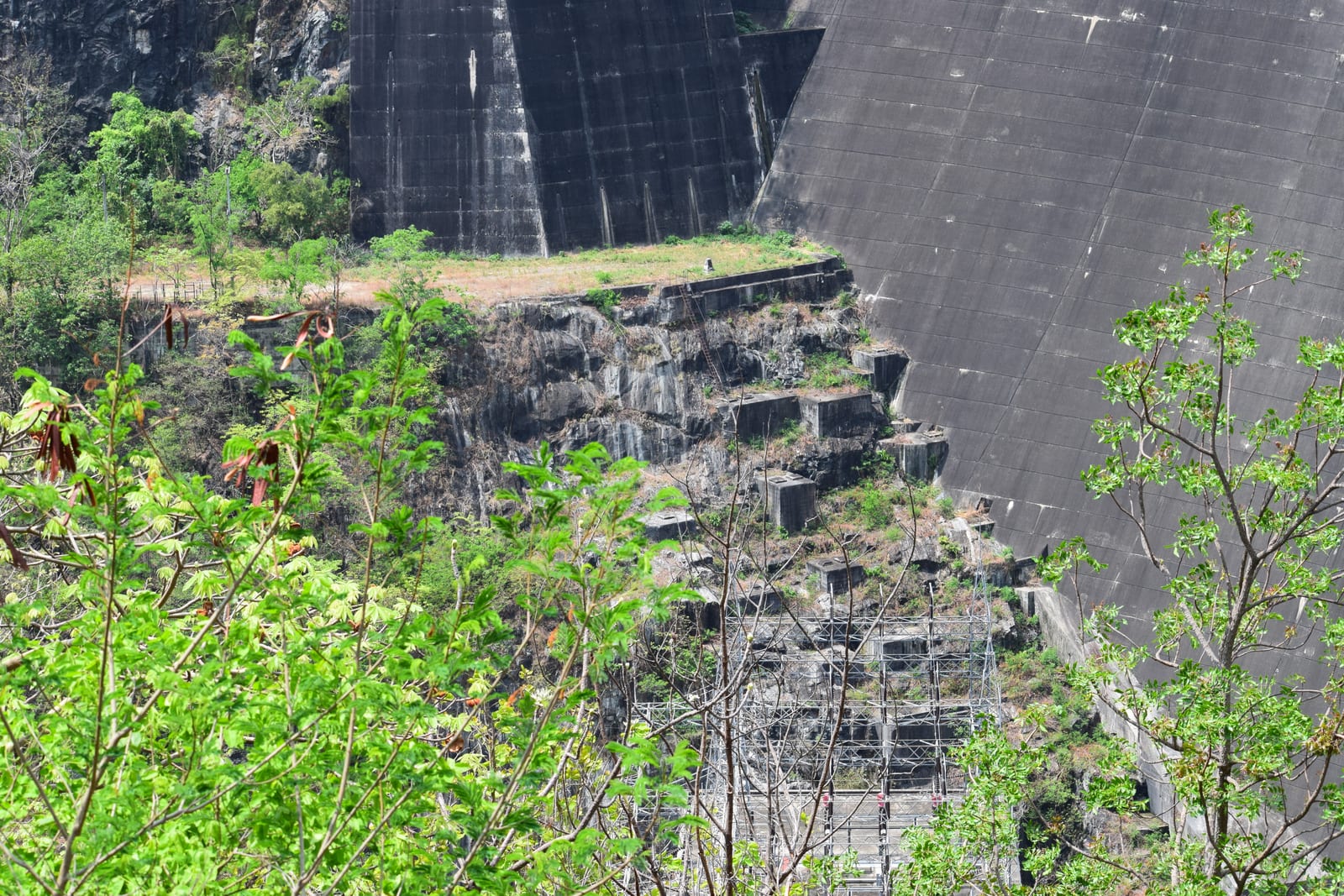
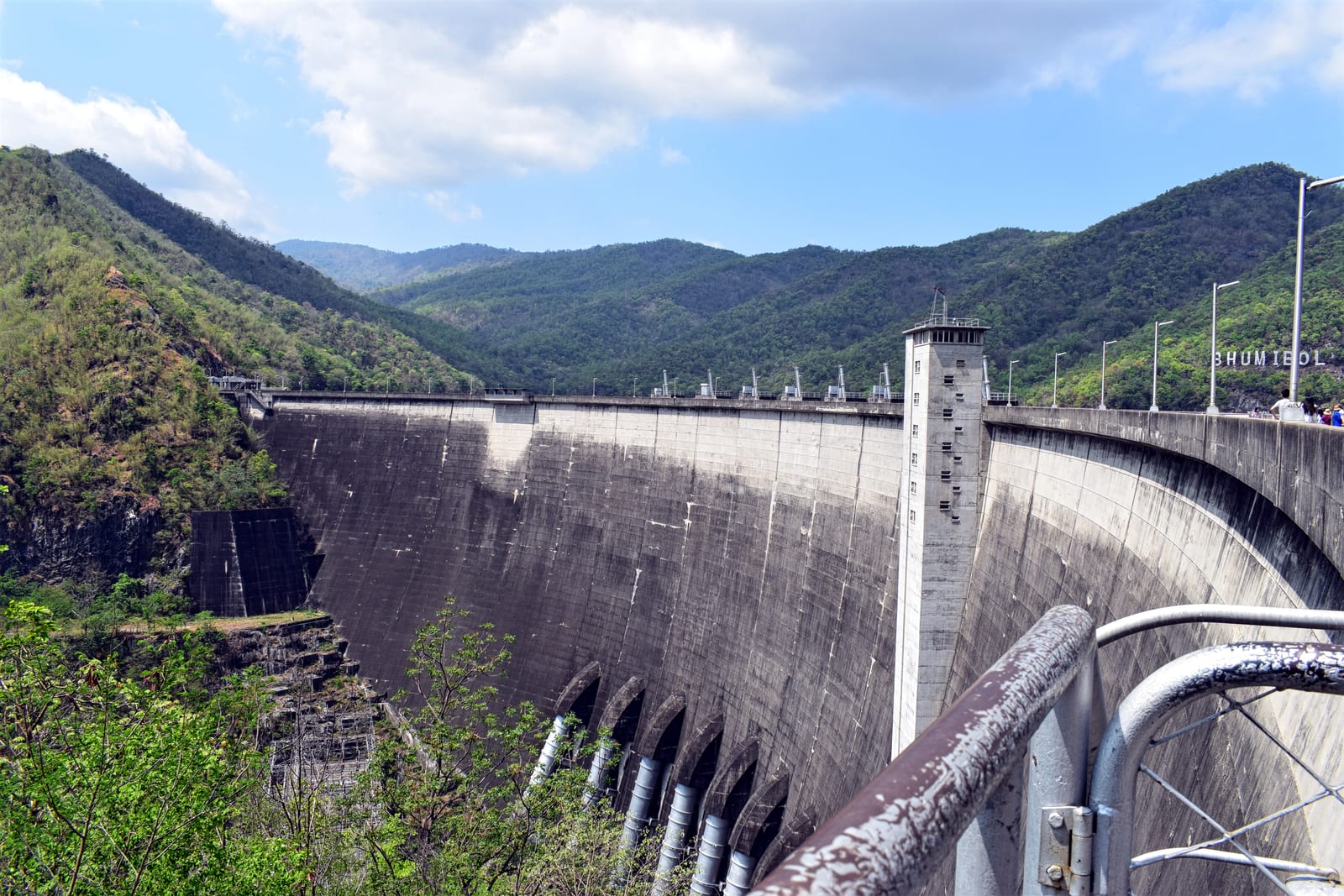
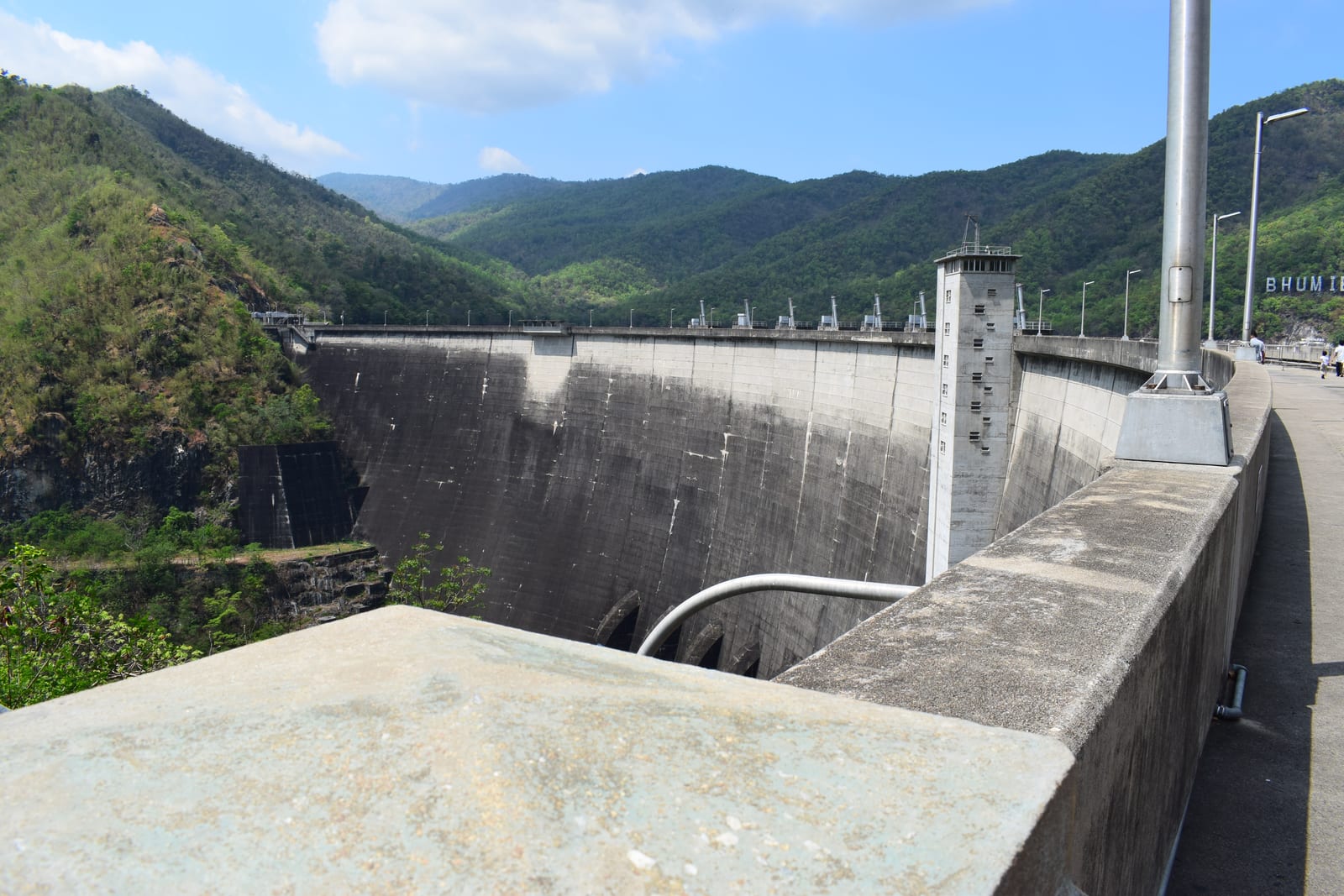
Bhumibol Dam (formerly Yanhee Dam) in Sam Ngao District, Tak is the largest and tallest concrete arch dam in Thailand, spanning the Ping River and rising 154 metres from base to crest. If you love the calm of green mountains mirrored in a wide expanse of water, this is a great fit — a family destination where you can spend the whole day without rushing. Drive up onto the crest, stroll in the breeze, and look down on the reservoir on one side and the power plant on the other. People who've been agree it's a dam with a good atmosphere and tidy, well-kept grounds.
A highlight many people enjoy is taking a raft or boat into the reservoir, stopping at Valentine Island and Phra Phutthabat Khao Nam, and going as far as Kaeng Soi and Doi Tao. Some operators offer overnight raft-house stays out on the water. Genuine reviews mention feeding the fish along the crest and seeing big Mekong giant catfish gather — good fun. For a more relaxed pace, sit at the café by the crest pavilion; there are on-site restaurants that visitors praise for good food and fine views. The evening light is lovely and easy for photos.
On budget, the dam itself is free to enter — no admission — and the security staff are attentive and friendly. Extras you pay for as you choose: rafting packages start at around 600 baht per person for a day trip, and EGAT accommodation ranges from a few hundred baht up to group dormitories in the thousands. Book ahead, since long holidays fill up fast.
The dam sits about 60 kilometres from Tak town and is open throughout the daytime. We'd suggest coming late morning to evening to catch the best light. It's popular because it's a provincial landmark that combines historical significance, natural views, and water activities in one place. One thing to know: the road up to the crest is fairly high and steep, so drive slowly and carefully; and if you plan to raft, arrange it with the raft owner in advance.
King Taksin the Great Shrine
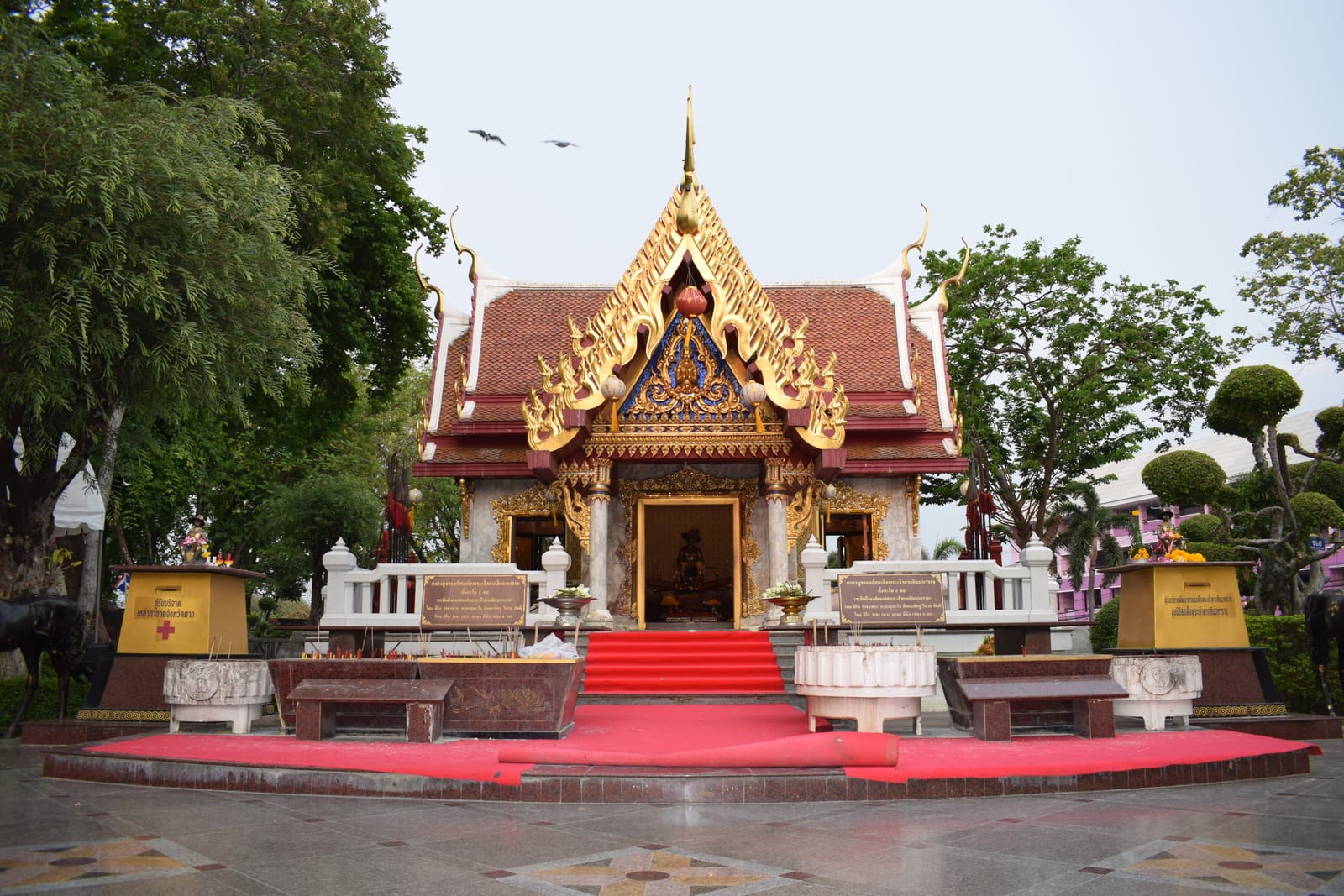
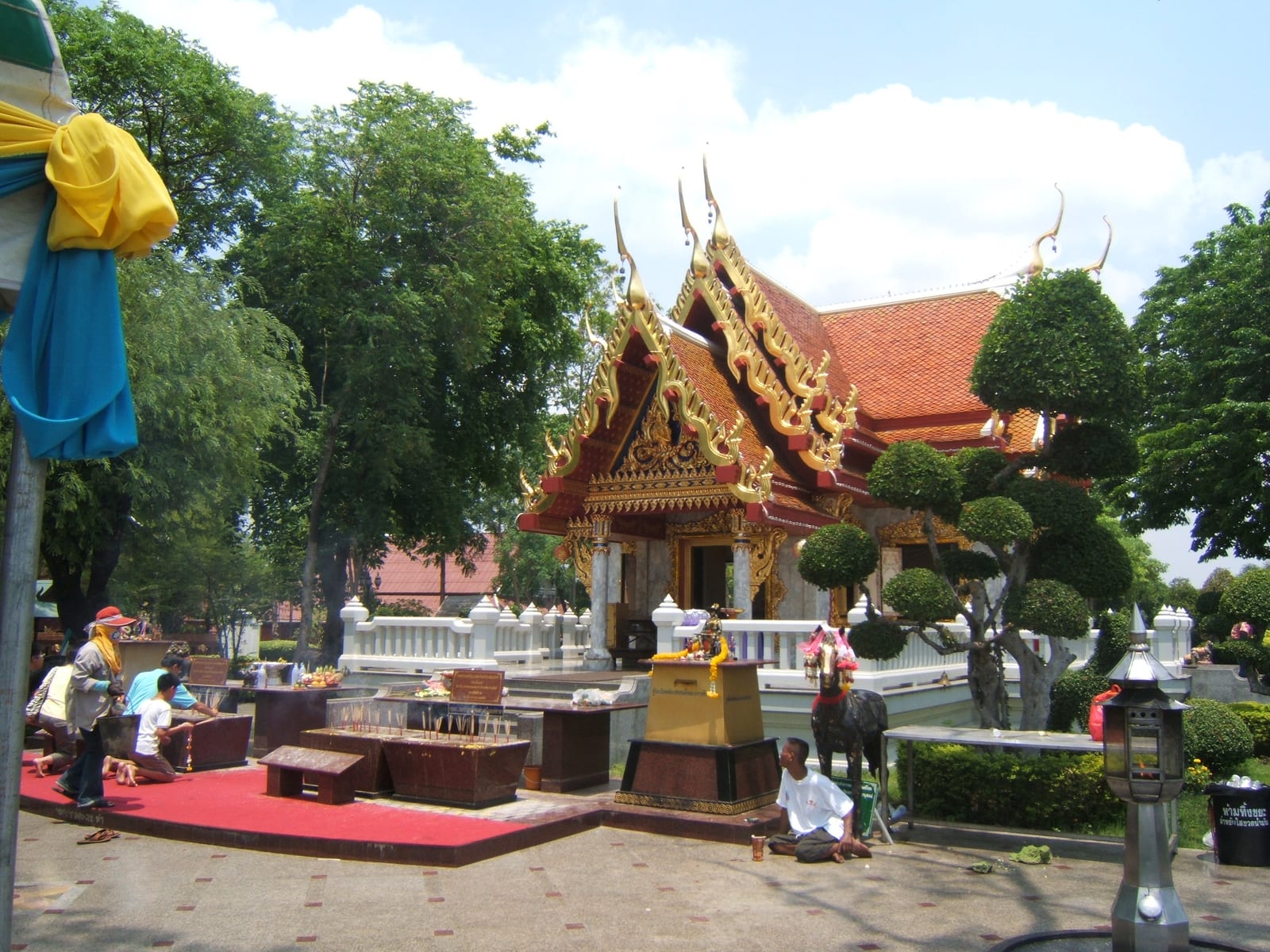
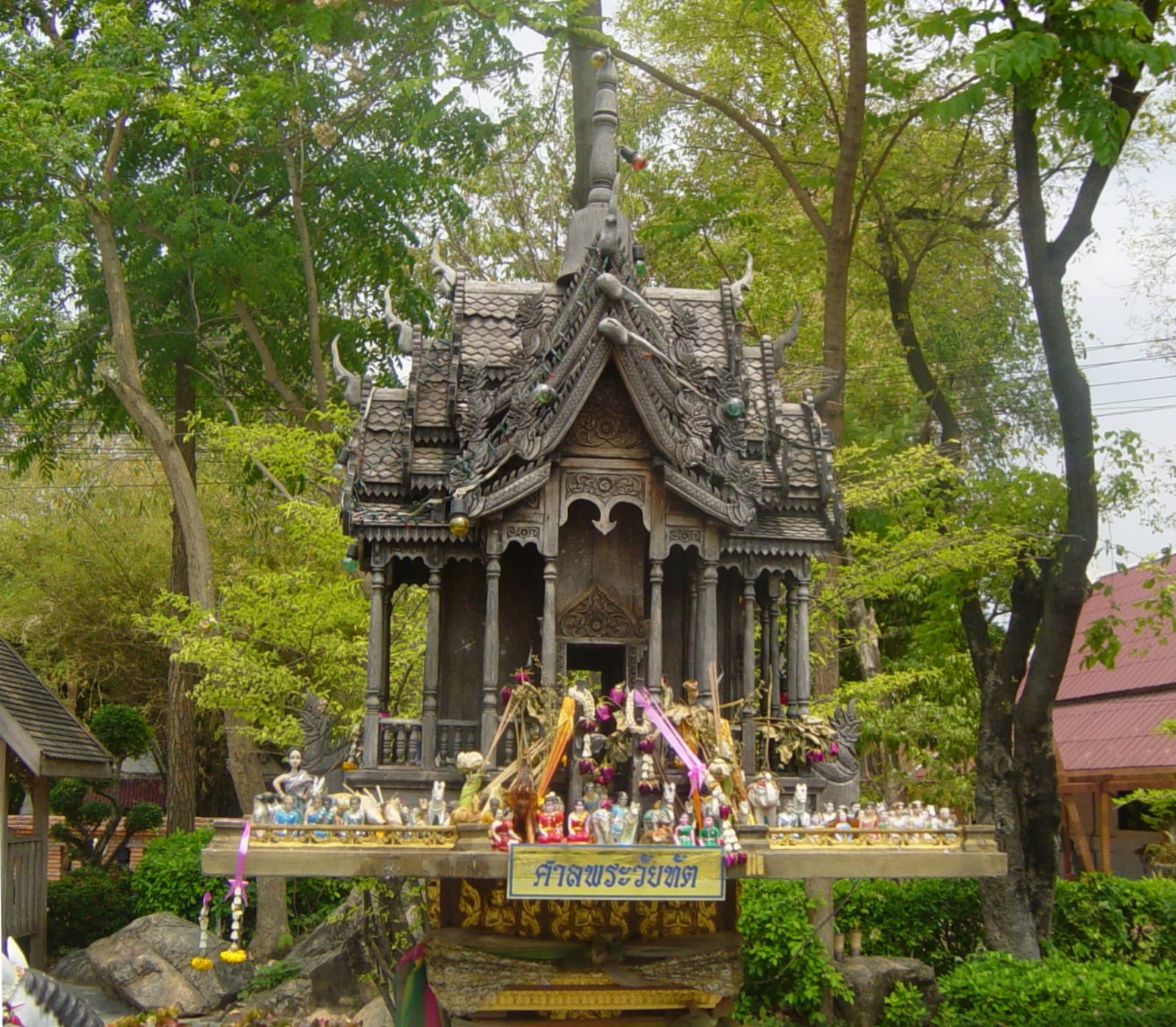
If you come to Tak and ask a local where you should pay respects first, almost everyone points you to the "King Taksin the Great Shrine" on Taksin Road near the provincial hall. It's a shrine that has stood with the people of Tak for more than 70 years, built in 1947 to a design by the Fine Arts Department. It suits spiritual visitors who want to pray for power, prestige, and career success, and anyone who wants to tick off a significant historical pin in the city.
The highlight is the four-gabled pavilion ringed with red Chinese lanterns. Inside is a cast royal image of King Taksin, slightly larger than life, seated on a throne with a sword laid across the lap — dignified and commanding. Around the image are countless war-horse and war-elephant figures brought as votive offerings to enhance one's prestige. In some corners there are fighting cocks, too, since it's believed the king set the rules for cockfighting. The interior walls carry murals depicting his heroism in reclaiming the kingdom, which you can walk along and read.
On atmosphere, most reviews agree the shrine sits on a low rise across from Taksin Rachanuson School — shady and easy to walk. There's a 12-zodiac garden to photograph, ample parking, and no entry fee. Sets of flowers, incense, and candles with horses and swords are available for offering out front; light your incense outside, then go in to make your offering. Come in the evening for a lovely view of the King Taksin Bridge against a mountain backdrop.
A small note: this is a genuinely sacred shrine where people come to worship in earnest, so dress modestly and behave respectfully. The shrine is open daily around 06:00–17:30. From New Year's Eve into the new year there's an annual festival, when it gets crowded and stalls set up all around; if you want to avoid the crowds, come on a weekday morning. Its Google review score is as high as 4.8 from nearly two thousand reviewers, confirming it's a top pin in Tak town.
Wat Thai Watthanaram
Wat Thai Watthanaram — which Mae Sot locals habitually call "Wat Mae Tao Ngiao" or "Wat Thai Yai" — is one of the most beautiful Tai Yai–Burmese-style temples in Mae Sot District, about 5 kilometres from town toward the Thai–Myanmar Friendship Bridge. The viharn and chedi are gilded gold, with gold patterns etched over deep-red walls; from a distance the whole structure looks like a sheet of gold. If you like photographing Burmese-style temples without crossing the border, this delivers easily. It suits worshippers, architecture lovers, and anyone who wants a quiet walk in a border-town atmosphere.
The highlight many people come for is the large reclining Buddha (Phra Non), roughly 40 metres long, enshrined in an open viharn at the rear of the temple — a popular photo and worship spot. Several reviews call it one of the larger reclining Buddhas in Thailand. Another you shouldn't miss is the Phra Maha Muni replica, modelled on the original Mahamuni image in Mandalay, Myanmar, which locals hold in deep faith — along with a nine-tiered Mon-style golden chedi and a pair of hongsa (swan) figures at the temple front. Walking around, you can happily take in the viharns, the museum, and the stucco-detail corners all day.
Entry is free — no charge — with convenient parking, open daily around 07:00–17:00. The best times are early morning or late afternoon, when the light is softer, since at midday the gold reflects quite harshly — one foreign review even joked you should bring sunglasses. The temple ranks among Mae Sot's top attractions on international review sites, with solid scores, praised for the intricacy of its art and its calm.
A thing to know: this is a working temple used for genuine religious ceremonies — dress modestly, remove your shoes before entering the viharn, and keep your voice down while taking photos. If you're arriving in Mae Sot for your first stop of the trip, we'd suggest coming here first, then continuing on to Rim Moei Market or the Friendship Bridge along the same route.
Trok Ban Chin

If you come to Tak town and want to walk slowly through an old riverside quarter on the Ping, "Trok Ban Chin" is the pin locals will point you to. It's a centuries-old Chinese immigrant community on Taksin Road in Tambon Rahaeng, Mueang Tak, near Wat Sitalaram and the 200-Year Rattanakosin Bicentennial Bridge. In the early Rattanakosin era it was a lively trading quarter, being right by the Ping riverside pier where goods were transferred between Nakhon Sawan, the North, and Burma. It suits old-town wanderers, vintage-photo shooters, and anyone who likes strolling through quiet, uncrowded architecture.
The highlight is the dozens of old teak houses lining the narrow lane, roughly 500 metres long, blending Central and Northern Thai, Chinese, and classic European styles from the reign of King Rama V. Standout houses many reviews mention include Ban Chin Thong Yu, which collects antiques like a community museum; a blue house in Western architectural style; and the Sophanodorn family house with a rare twin staircase at the front. Another you shouldn't miss is the Trok Ban Chin pad thai shop — old-style pad thai in an old timber house, open for years, with soft thin noodles and well-balanced flavour, 20–25 baht a plate — a good bite to line your stomach while you walk.
The atmosphere now is calm and quiet, unlike its bustling past — but that's the charm. It's an easy photo walk; the lane isn't long, so 15–30 minutes covers it. The light is best in the early morning before 10 a.m. or from about 4:30 p.m. onward, when it falls on the timber houses for that old-world feel. Entry is free — no charge — with only the eateries and cafés in the quarter to pay for as you go.
A thing to know: the lane is very narrow, too tight for cars to pass, so find parking near the entrance and walk in. This is a real, lived-in community, so wander and photograph respectfully of the residents. It's popular because it's a riverside old town that has kept everything genuine, not staged for tourism. It pairs well with the King Taksin the Great Shrine and the riverside walking street on the Ping in a single trip.
🛏️ Hotels in Tak — sleep in the Ping riverside old town or overnight into Umphang
To get the most out of Tak, stay a night — that way you can stroll the Ping riverside old town in the evening and pay respects at the King Taksin Shrine in the morning while it's quiet. Popular accommodation clusters in Tak town by the Ping River, within easy walking distance of Trok Ban Chin, the Bicentennial Bridge, and Kad Nang Yong, with small hotels in old buildings and riverside stays. For Mae Sot, choose accommodation in Mae Sot town near the Friendship Bridge; and if you're set on reaching Thi Lo Su Waterfall, overnight in Umphang, since it's far and the mountain road is winding. Pick a location close to where you want to be first thing in the morning for the best value. Compare prices and reviews before you book.
Kad Nang Yong Klong Yam
If you're visiting Tak on a weekend and want a small-town atmosphere unlike any other walking street, "Kad Nang Yong Klong Yam" is worth a stop. What makes this market stick in visitors' minds is that stalls display their goods on low, knee-height bamboo racks, so to pick something up you have to bend down or crouch. The words "klong yam" ("carry a shoulder bag") come from the fact that Tak is a multi-ethnic city where locals traditionally carry a shoulder bag for their goods, so the market invites people to bring a shoulder bag to shop with instead of a plastic one — a small charm that sets it apart. It suits people who like a relaxed stroll, sampling local food, and getting unusual photos.
The food here focuses on Tak local dishes and Northern fare, both savoury and sweet, to graze on as you walk — along with souvenirs, keepsakes, clothing, community handicrafts, and locally woven shoulder bags. People who've been describe the atmosphere as "chill," since the market sits right on the Ping River; once you've shopped, you can sit by the water, listen to the current, and there's live music playing at intervals — the sunset light is just right.
The market opens only on Saturday–Sunday evenings, around 16:00–21:00, free to enter, and a few hundred baht is enough to eat your fill. It's in Tak town by the Ping River, around the Tak Vintage Market in front of the Tak Municipality office (this is its current location after moving from the site in front of the old governor's residence), not far from the King Taksin the Great Shrine, with a parking area provided and convenient access.
A thing to know: the market runs only Saturday–Sunday, so you won't find it on weekdays, and the location has moved before — we'd suggest checking the market's Facebook page before setting out in case of seasonal changes to times or place. It's busiest and liveliest in the early evening; if you like photographing the bamboo racks against the riverside view, come before dark.
200-Year Rattanakosin Bicentennial Bridge
If you come to Tak town and want the prettiest Ping River viewpoint in the city, the 200-Year Rattanakosin Bicentennial Bridge — which locals simply call "the suspension bridge" — is the answer. It's a white suspension bridge stretching across the Ping River in the city centre, built back in 1982 to mark the Rattanakosin bicentennial. The bridge is several hundred metres long; its deck was originally timber held by heavy steel cables, and it's now reserved for pedestrians to stroll and enjoy the view — no vehicles anymore. It suits photographers, couples out for a walk, families letting kids run by the river, and plenty of cyclists come too.
The unmissable highlight is sunset and nighttime. In the evening, orange light spills over the Ping River in a scene many say is so beautiful you have to stop and shoot. Once it's dark, the bridge lights up brightly along its whole length, a white arc across the water — a hugely popular check-in of the city. Genuine reviews agree the lights come on around early evening, roughly 6 p.m. to 9 p.m.; for the full lit-up photos, come during that window.
Budget is very easy, since walking onto the bridge is free — no entry charge. Around it is Chalermphrakiat Park, a public park to sit, rest, and exercise, and in the evening to night there are riverside shops and eateries running as a small walking street, so a bite to line your stomach is never far. It's located in Tambon Pa Mamuang, Mueang Tak, across the Ping River, just a few minutes from town.
A small note: it's an old suspension bridge, so it sways a little as you walk — that's natural for this type of bridge, nothing to worry about; walk slowly and hold the railing and you're safe. Keep an eye on small children and elderly visitors. Midday sun is fairly strong and hot, so we'd suggest coming from evening into night for cooler air, lovely views, and the lights all in one trip.
Doi Musoe Market
Doi Musoe Market is a hill-tribe roadside market that anyone driving the Tak–Mae Sot road (Highway 105) tends to stop at, because it sits right on the mountain climb where the air starts to turn cool, with stalls of cool-climate vegetables and fruit lined along the road. If you're looking for a fresh, farm-direct souvenir stop along the way, this is a great fit. Today there are both an old market and a new market, about 1 kilometre apart, and you can visit both. The new-market area also has a Hill-Tribe Museum where you can see Musoe (Lahu) artefacts.
The thing not to miss is seasonal fruit. In the cool season (around Jan–Feb), strawberries come in abundance — many reviews say they're "big and sweet" — with size-graded ones around 200 baht/kg and mixed sizes starting around 120 baht/kg. Avocados are another well-known item, along with passion fruit, Chinese pears, broccoli, sweet bitter gourd, carrots, and seasonal forest produce; in the rainy season, peaches and cherries appear too. It's fresh, straight from the farms, and reviewers say you leave with an armful for just a few hundred baht — good value.
The atmosphere is a roadside mountain market, with many vendors in traditional tribal dress and coffee and snack shops to rest at after shopping. Free entry, with parking, open daily around 08:00–19:00 (some sources say it starts earlier). The tip is to come in the morning, when the produce is freshest and fullest, since villagers have just brought it down from the farms; in the evening vendors often cut prices to clear stock, so if you don't mind about size, you'll get a good deal.
It's popular because it's a natural stopping point on the Tak–Mae Sot route, with fresh, inexpensive produce and a genuine hill-tribe atmosphere. A thing to know: prices and produce change with the season, so if you're specifically after strawberries, check that it's the cool season, and bring a cooler bag if you're carrying things back a long way.
Lan Sang National Park (Lan Sang Waterfall)
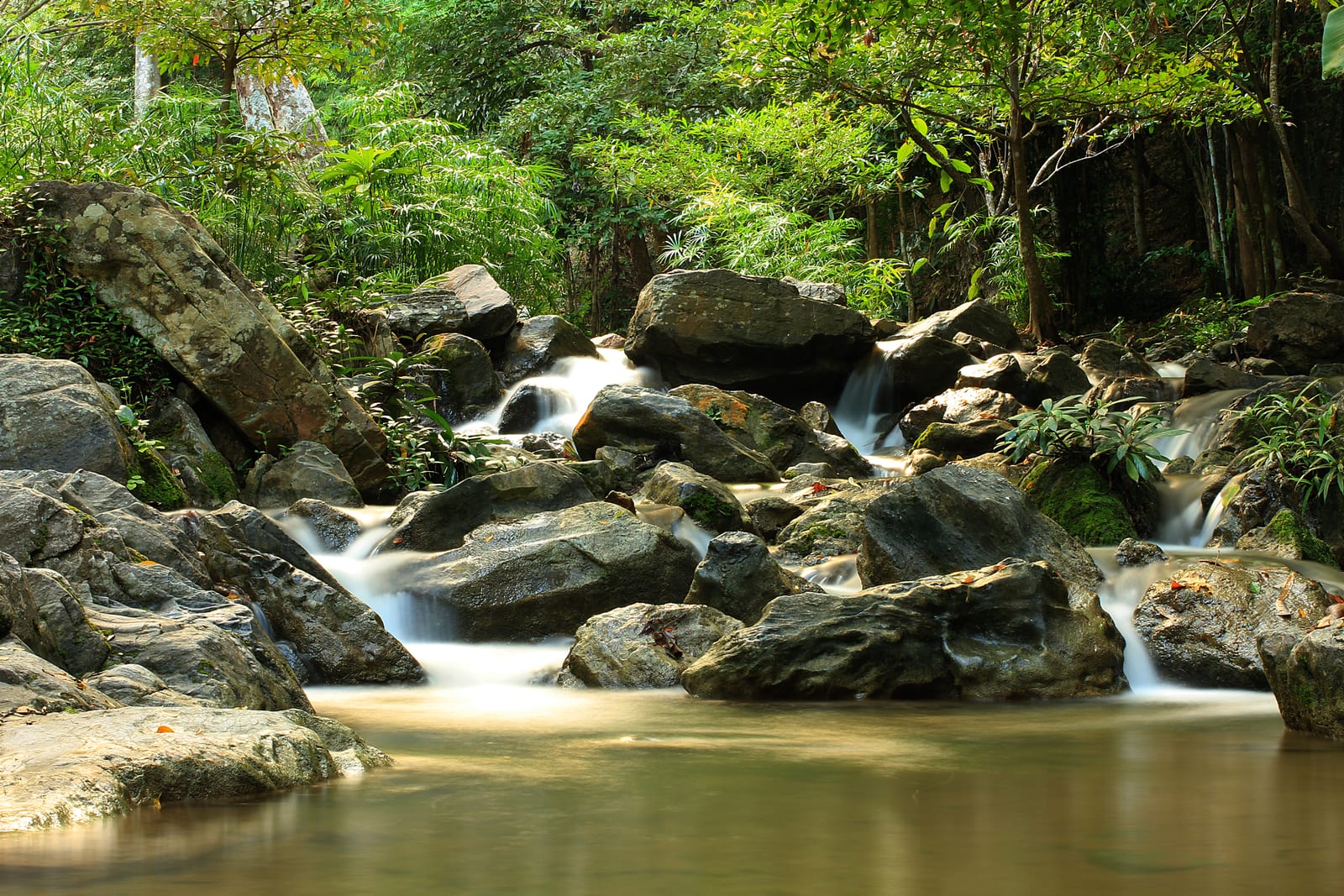
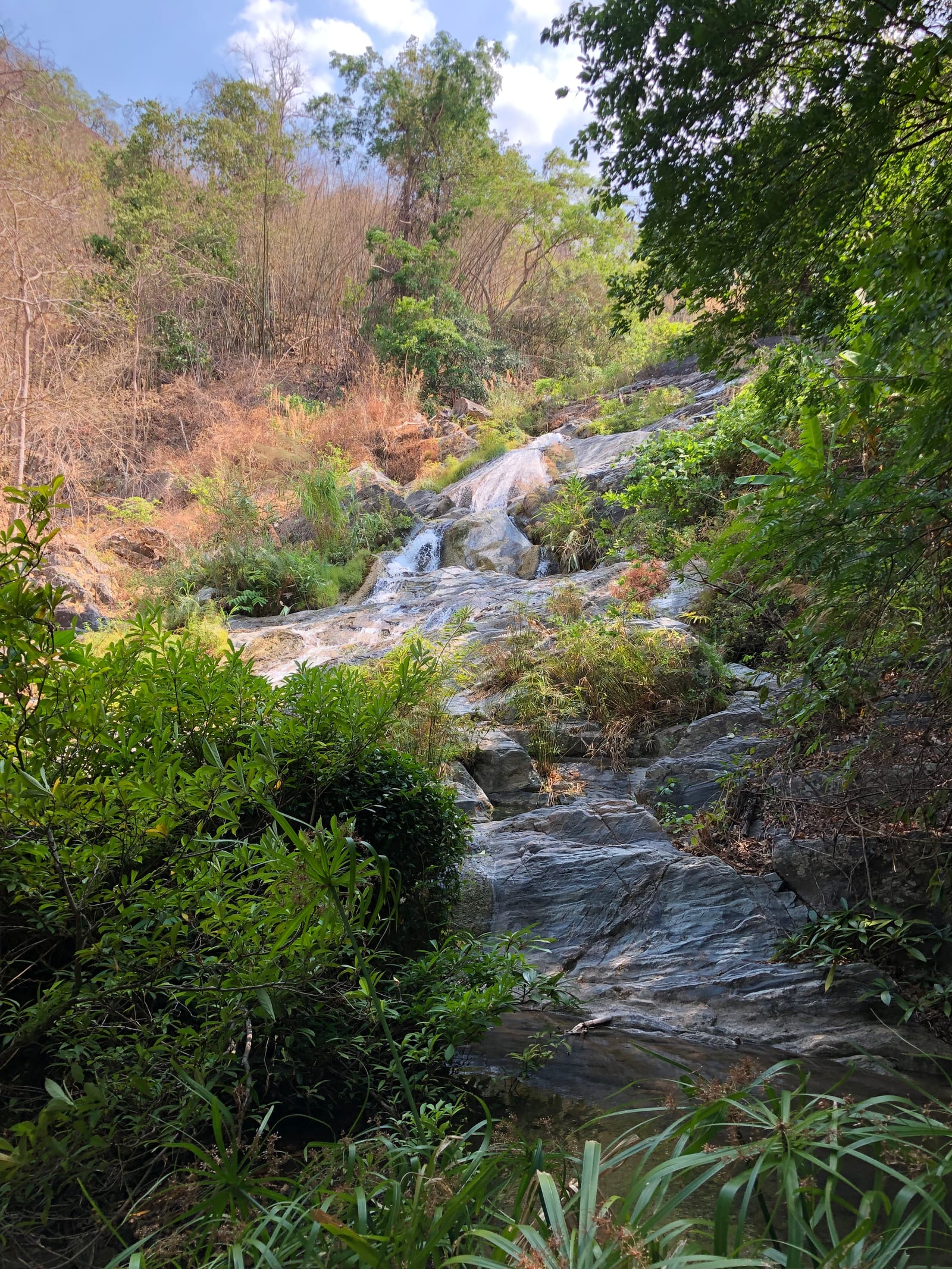
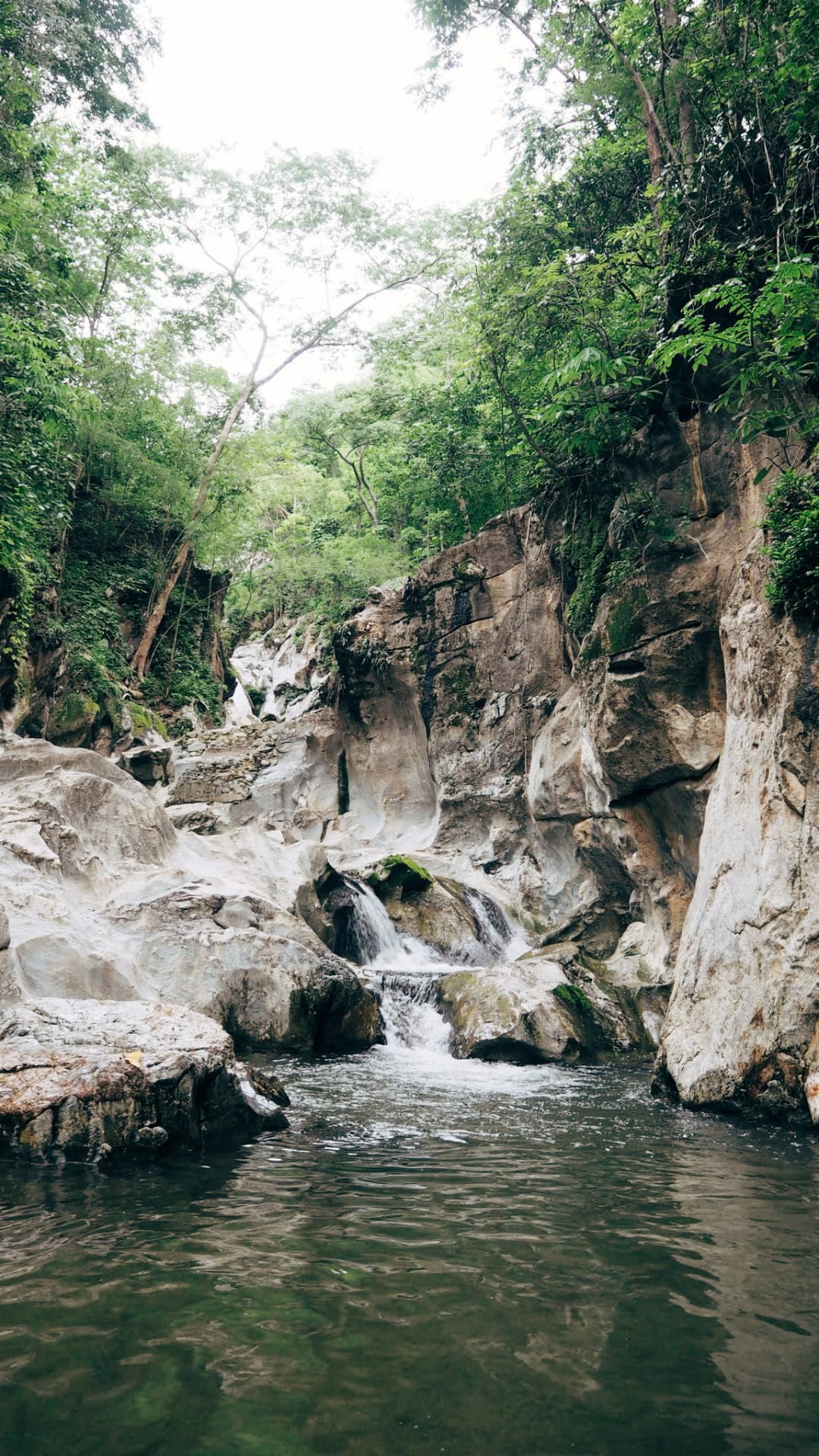
If you're in Tak town and want to escape to nature without a long drive, Lan Sang National Park is the answer locals love to pass along, because it's the national park closest to town — just about 20 kilometres out along the Tak–Mae Sot road. It suits families, couples, or beginner trekkers who want a pretty waterfall and shady forest on a day trip, no overnight needed to see it all.
The unmissable highlight is Lan Sang Waterfall, whose most prominent tier is around 40 metres tall, falling from a cleft in the cliff in three tiers into a pool below — clear and cool, with a basin you can wade into to beat the heat. Before this tier you'll pass Lan Liang Ma Waterfall near the visitor centre, the easiest to reach on foot. If you have the energy to walk on, there are also Pha Phueng, Pha Noi, and Pha The waterfalls further up along the stream. The lower forest trail is a short walk through bamboo groves and big trees — shady and easy going.
Genuine reviews mostly praise the clean, clear, cool water, the shady setting with plenty of big trees, clean restrooms, an inexpensive entry fee, and fewer crowds than the famous parks, which makes for a comfortable walk. Some note the climb to the upper tiers is fairly tiring and that in some seasons the trail may close. Come from the rainy season into early cool season for the fullest, prettiest water; in the dry season the water can drop.
On entry and hours, the park opens around 08:30–16:30 daily, with entry of 40 baht for Thai adults, 20 baht for children, and 30 baht per car (foreign visitors are charged at a higher rate). There are restaurants, a coffee shop, a campground, and bungalows you can book to stay overnight. The Google review score is around 4.0 from several hundred reviewers, reflecting a rest spot near town that Tak locals and regulars on the Mae Sot route stop at consistently. A thing to know: it's a natural area, so bring comfortable walking shoes, a change of clothes if you'll swim, and carry your rubbish back out, since there are no bins in the park to keep it clean.
Tiengna Coffee and Bakery Farm
If you're driving through Tak town on Phahonyothin Road and want a little break, "Tiengna Coffee and Bakery Farm" is the spot Tak locals and travellers on the northern route regard as a regular stop. It's a café-bakery in a garden — a vintage-style timber house converted into a relaxed hangout, with both a shady garden zone under big trees and a cool air-conditioned room. If you're bringing a pet, you can, since the place is pet-friendly. The atmosphere is just right for lingering over a coffee or simply stopping for pretty photos on the way through.
The signature many reviews agree on is the bakery, especially the croissants — soft, buttery pastry with several fillings to choose from — along with cakes, cookies, brioche, and scones. The coffee is roasted at several levels, light, medium, and dark, with special beans to drip from various brands. There's a savoury menu too, spanning Thai, Italian, and Japanese dishes, easy to order by QR at the table so you don't have to queue — good for anyone who wants to sit and relax.
On budget, the bakery items run roughly 60–200 baht a piece depending on type, and coffee and drinks are at usual café prices. Entry is free — no charge — you only pay for what you order. The shop is at 27/28 Phahonyothin Road, Tambon Mai Ngam, Mueang Tak, open daily 08:00–18:00, right on the main road with easy parking — good as a first stop or a rest before moving on.
It's popular because it brings the good things together: a pretty garden atmosphere for photos, tasty bakery, and enough years in business to be something like the café landmark of Tak town. A thing to know: on long holidays it gets busy and some popular items sell out fast, so if you want your favourite croissant filling, come in the morning or call ahead to reserve.
🎫 Tak Tickets, Tours and Activities
If you'd rather explore several Tak spots without planning it yourself, or without going into the Umphang forest on your own, take a look at guided tickets and tours with transfers through Klook or GetYourGuide. There are Thi Lo Su Waterfall tour packages that arrange the vehicle-raft-trek combination for you, Bhumibol Dam boat trips, and airport transfer packages you can book ahead so there's no queue on arrival. Perfect for anyone who wants an easy trip, especially the Umphang route where someone leads you into the forest and arranges the accommodation and meals.
💡 Know Before You Go: Tak
Tak's in-town attractions are walkable, but Bhumibol Dam, Doi Musoe, Mae Sot, and Umphang are out of town in different directions and far apart, with limited public transport. The most convenient way is to rent a car or book a tour with transfers — Grab is almost nonexistent in Tak, so sort out your transport before heading out of town.
Temples, shrines, the food at Kad Nang Yong, Doi Musoe Market, and most shops in Trok Ban Chin take cash. Carry small bills for entry fees, parking, roadside food, and shrine offerings. ATMs are easy to find in town but scarce at out-of-town spots and in Umphang.
Midday in Tak is hot with strong sun; walking the King Taksin Shrine and Trok Ban Chin is more comfortable in the morning or late afternoon. The Bicentennial Bridge is prettiest in the evening when it's lit. Kad Nang Yong Klong Yam runs only on Saturday–Sunday evenings, so if you're set on the walking street, plan for the right day.
Thi Lo Su Waterfall is deep in the Umphang forest, reached by vehicle, then rubber raft, then trek. It's hard to reach on your own and requires wildlife-sanctuary permission. The easiest way is to book a tour package that arranges the vehicle, raft, guide, and accommodation. The best water and easiest access is after the rainy season, roughly November to April.
The King Taksin Shrine and Wat Thai Watthanaram are sacred places where people come to worship in earnest. Cover shoulders and knees, remove shoes where signs indicate, and keep your voice down inside the viharn.
Outside the major attractions, English signs and menus are scarce. Bring a translation app to help, or point at pictures at markets and local shops to get by. Most people in Tak are kind and patient with visitors.
Plan Your Tak Trip to Cover the Most Ground
Tak offers many kinds of trips, but the good stuff sits in separate zones, so divide your trip clearly. For a half-day to full-day in Tak town, start at the King Taksin the Great Shrine on Taksin Road in the morning, then walk on to Trok Ban Chin in the nearby Ping riverside old town, before crossing over to the 200-Year Rattanakosin Bicentennial Bridge in the evening when it's beautifully lit. If you come on a Saturday–Sunday, don't miss Kad Nang Yong Klong Yam by the Ping River from about 4 p.m. to 9 p.m. As for cafés, Tiengna Coffee and Bakery Farm in Mai Ngam is a nice midday stop for a relaxed sit in the garden.
Nature splits into two directions. Toward Sam Ngao there's Bhumibol Dam, where you can boat out to see mountains mirrored in the water. On the Tak–Mae Sot route there's Lan Sang National Park, the closest to town, good for swimming at a waterfall on a day trip, and Doi Musoe Market as a cool-climate fruit stop along the way. If you're continuing to Mae Sot, you can stop to pay respects at Wat Thai Watthanaram near the Friendship Bridge. Thi Lo Su Waterfall in Umphang is the deepest of all and requires a vehicle, then rubber raft, then trek — plan for an overnight and book a tour package ahead, since it's far from town and the mountain road is winding.
To get the most out of Tak, stay a night — you can stroll the Ping riverside old town in the evening and pay respects at the King Taksin Shrine in the morning while it's quiet; and if you're heading into Umphang for Thi Lo Su, you'll be staying over anyway. Compare prices and reviews for Tak hotels before you book.
🔍 Check Tak Hotel Prices (Agoda)