🔄 Updated 21 Jun 2026
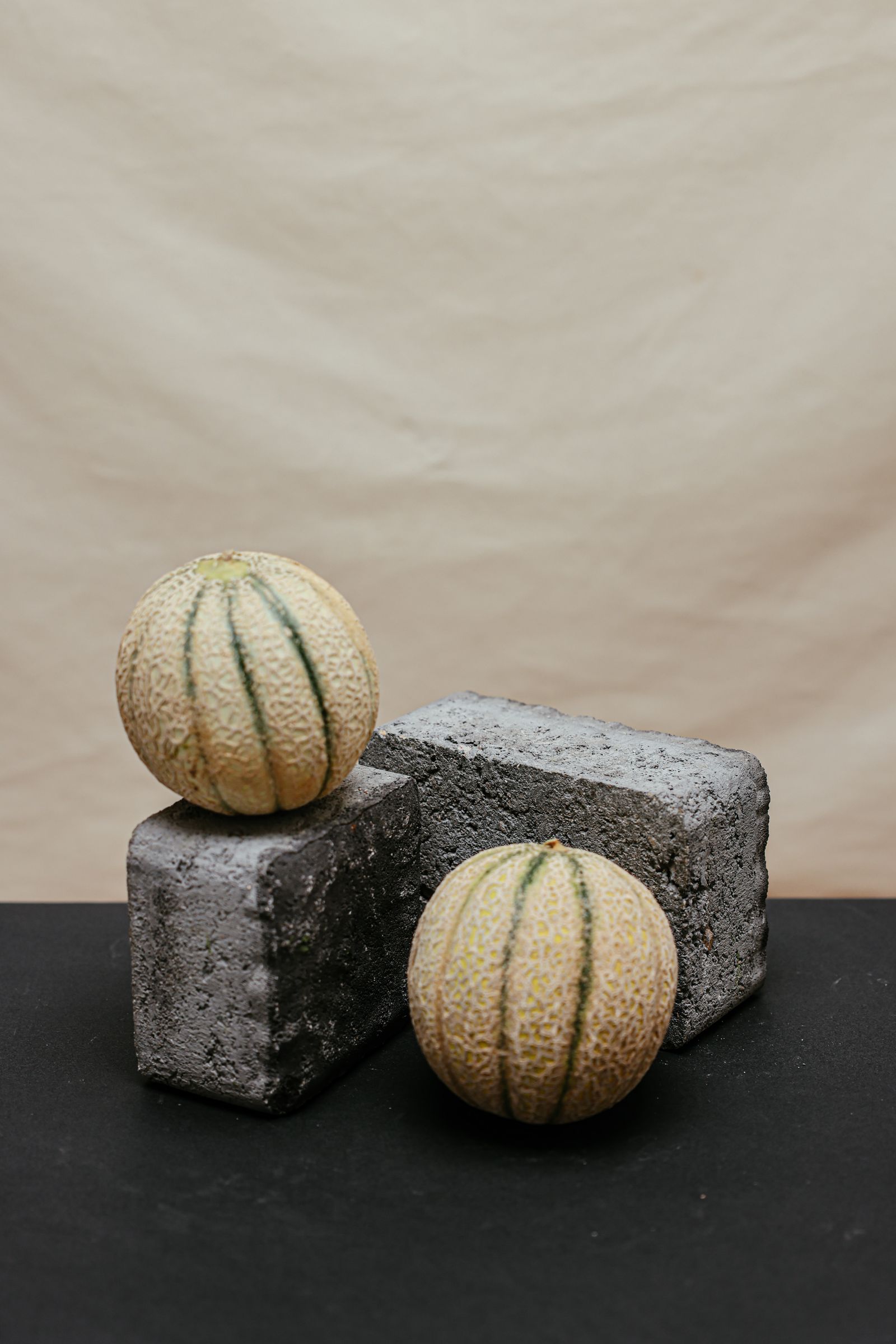
Let's clear this up first, since people mix it up a lot. What Sa Kaeo is really known for is cantaloupe (netted skin, orange-to-pale-green flesh, fragrant and sweet) from the Aranyaprathet side, which is the country's largest growing area. Melon — the Japanese-style greenhouse kind where you can sit at a cafe and sip melon milk — is found along the Wang Nam Yen–Wang Nam Khiao border heading up toward Khao Yai. Both are sweet treats you can carry home, just from slightly different areas.
When is Sa Kaeo fruit at its sweetest
Cantaloupe grows almost year-round because it's a short-lived plant, but the season with the biggest harvest and the boldest flavor is roughly March–May, peaking in April. Greenhouse melon has controlled conditions, so it rotates almost all year, though it's sweeter in the dry season too. If you're coming specifically for the fruit, early in the hot season is the best value.
Plan around the festival
Every year Aranyaprathet holds the Aranyaprathet Cantaloupe & Local Products Festival in early April (in 2026 it's the 37th edition, around 4–15 April, by the Aranyaprathet train station). The festival has graded cantaloupe at farm prices, cantaloupe som tam, cantaloupe ice cream, and processed goods all in one place. Time your trip right and you'll get the freshest pick.
Want to taste deeper? Try a Sa Kaeo food tour or cooking class
Half a day with a local who knows the lanes — or cooking a dish yourself — teaches you more than just eating. Book ahead on Klook or GetYourGuide.
Common cantaloupe varieties and what they cost
Aranyaprathet growers nickname cantaloupe “the pampered melon” because it has to be coddled from seeding all the way to harvest. Only a handful of main varieties rotate through the stalls, each a little different in flavor and skin.
Honey World
Round like a globe, smooth cream-white skin, pale-green flesh inside, soft, sweet and fragrant. Each one averages around 1.7 kg, and it's the one people buy most often as a gift because the big size cuts up to share with several people.
Sun Lady
The variety people ask for the most. Clearly netted skin, orange flesh, a standout fragrance, juicy and sweet — the picture many people have in mind when they think of Aranyaprathet cantaloupe.
Jedio / the orange-flesh group
Another group you'll find at roadside stalls, with deep-orange flesh and a dense sweetness, good eaten fresh and chilled. The price shifts with size and how good the skin looks.
Greenhouse melon (green/orange group)
Japanese melon grown in temperature-controlled greenhouses, with fine netted skin, firm flesh and a smooth, mellow sweetness. Smaller than cantaloupe but usually pricier per fruit, since they're graded and the sweetness is kept consistent.
Pick a good one
Heft it in your hand — one that feels heavy for its size is usually juicier. Sniff the stem end; if it's fragrant, it's ripe and ready to eat. And ask the seller whether this one's good to eat now or needs a few more days to ripen, because if you're carrying it a long way you'll want one that isn't fully ripe yet.
Where to buy fresh
The easiest spot, where you'll see piles of fruit, is the roadside stalls on the Aranyaprathet side. If you want the farm atmosphere — walking around, taking photos — you'll need to head up toward Wang Nam Yen–Wang Nam Khiao. Have a look at these.
Stalls along Suwannason Road, Aranyaprathet
Near Municipal Market 2 there's a row of cantaloupe stalls along the road from several vendors, priced by size and variety, with a little room to haggle. Good to buy on the way in or on the way back from the Rong Kluea border market.
Cantaloupe Festival (April)
During the festival by the Aranyaprathet train station, fruit comes straight from the farms in piles at farm prices, with plenty to choose from and processed treats to sample before you buy.
Greenhouse melon farms around Wang Nam Khiao
Along the Wang Nam Yen–Wang Nam Khiao border heading up toward Khao Yai there are Japanese-style melon farms with a shopfront selling fresh melon plus a cafe, where you can cut it straight from the greenhouse — a good stop while you're out sightseeing.
Straight talk on the area
Many of the well-known melon-cafe farms people actually share are on the Wang Nam Khiao side in Nakhon Ratchasima province, which borders Wang Nam Yen just across the district line — not strictly within Sa Kaeo. If you're coming specifically for the melon farms, check the location and opening hours on the shop's page before you set off, because some farms close on weekdays or open only in season.
Processed melon & cantaloupe treats to take home
Fresh fruit doesn't last long, so if you've got a long trip or want a gift that keeps better, processed goods are the answer. The melon farms and the festival usually have these for sale.
- Fresh melon milk — sweet, fragrant and cold, around ฿30 a glass. It's a hit at the farm shopfronts, and you can drink it fresh right there.
- Melon/cantaloupe ice cream & bingsu — ice cream around ฿40, a big plate of bingsu around ฿150–160, perfect for cooling off at a farm cafe.
- Melon pudding/cake — small desserts from around ฿30, good to snack on or carry home the same day.
- Frozen / ready-to-eat cut cantaloupe — some vendors do ready-to-eat cups that keep cold longer than whole fruit, handy to take along the way.
- Cantaloupe juice / fruit drinks — sold at stalls and the festival, great for cooling off in the hot season.
Processed treats and your journey
Fresh items like melon milk or bingsu are best eaten at the shop, while for things you'll carry far, pick ones that keep — like a whole cantaloupe that isn't fully ripe yet, or dried/frozen goods the shop packs for you. Always ask the seller about storage first to be sure.
An unhurried Sa Kaeo fruit-eating trip
Fruit run + farm cafe
Aranyaprathet cantaloupe + souvenirs
If you're continuing on to the Rong Kluea border market or crossing into Poipet, always check the border situation and your travel documents before you actually go, since rules and crossing hours can change with the season.
Want a place to stay near the fruit farms and Sa Kaeo town
See Top 10 stays in Sa Kaeo →