🔄 Updated 21 Jun 2026
When people talk about the forest monks of Isan, Luang Ta Maha Bua is one of the first names that comes up. He was a leading disciple of Luang Pu Mun Bhuridatto, and a monk known across the whole country for the Help the Nation project, which gathered gold and currency into the national reserves during the economic crisis. Wat Pa Ban Tat was his home — the place where he lived, taught, and passed away in 2011. Today it's both a working temple where monks still practice and a memorial site that draws a steady stream of visitors who come to pay respects.
Forest in the city — the mood shifts the moment you walk in
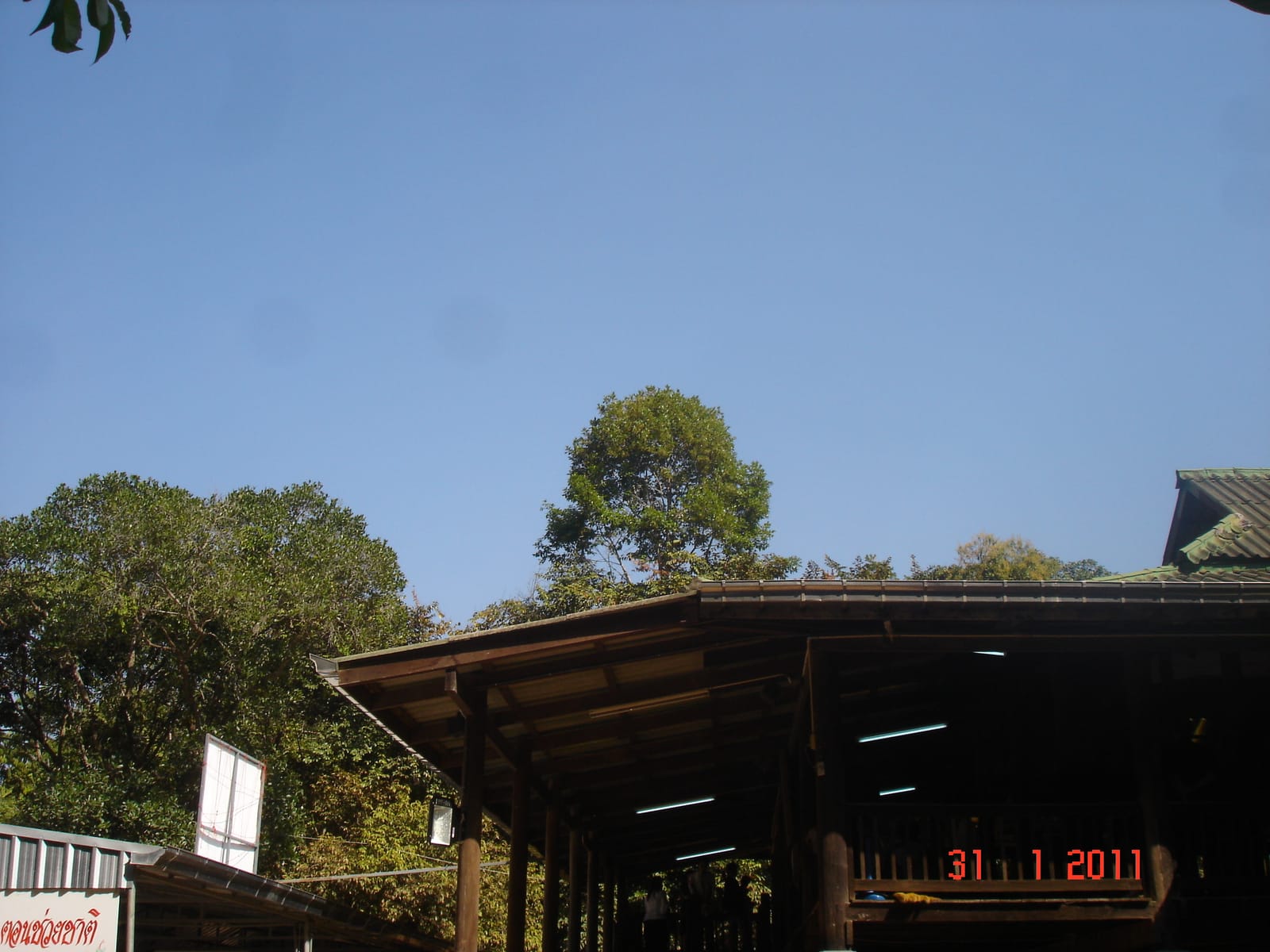
What sets Wat Pa Ban Tat apart from an ordinary temple is the forest. The temple sits on more than 100 rai of land that the villagers of Ban Tat donated together back in 1955. Luang Ta deliberately kept it as real forest — never cleared, never opened up — so tall trees of many kinds cover the entire grounds. It stays cool even under a blazing midday sun, and a few steps in the temperature seems to drop several degrees as the noise of cars and town simply disappears.
The grounds are a wildlife sanctuary, with jungle fowl, squirrels, birds and other small animals wandering around unafraid of people, because they've lived here in peace for a long time. This atmosphere is the heart of a forest meditation temple — quiet nature that helps the mind settle on its own. If you like walking slowly and breathing deeply, you'll really take to this place.
Best time to visit
Early morning, around 8:30–10:00 a.m., the air is still cool, the light filtering through the leaves is lovely, and the crowds haven't arrived yet — that's when you get the full forest-temple feeling.
Want more out of Udon Thani? Book tours & activities
Booking online ahead on Klook or GetYourGuide is usually cheaper than the gate and skips the queue. Pick only the experiences you actually want — prices and availability are shown live on each site.
The Dhamma Chedi Museum — a beautiful, serene landmark
After Luang Ta passed away, his disciples and devotees built the Dhamma Chedi Museum of Phra Dhamma Visuthimongkol within the temple grounds. Construction began around 2015 under the patronage and design of Her Royal Highness Princess Sirivannavari. The building blends Lan Xang art with Rattanakosin craftsmanship — dignified, but never showy or loud.
The museum is divided into three main parts: the museum building at the front, the vihara (assembly hall) in the middle, and the chedi (stupa) at the back that holds Luang Ta's relics. The vihara is floored and walled in white Carrara marble from Italy, keeping the interior cool and comfortable even when it's hot outside, with a tiered copper-clad roof. The eight-sided chedi is topped with gilded copper that looks stunning when the light catches it.
Inside the museum building, six exhibition rooms tell the story of Luang Ta's life and teachings from birth to passing, through modern multimedia that's well laid out and easy to follow. What many people come specifically to see are his monastic requisites — his alms bowl, robes, glot umbrella and simple belongings that reflect a true forest monk's way of life. Seeing them, you understand exactly why people held him in such reverence.
- Temple / museum hours — daily 8:30 a.m.–4:30 p.m., free admission
- Exhibition tour rounds — morning rounds at 9:30 / 10:00 / 10:30 a.m. · afternoon rounds at 1:30 / 2:00 / 2:30 p.m. Each round takes about 80 minutes to walk through
- No photography inside the exhibition building — you can only take photos outside, around the vihara and chedi
- Dress code — modest clothing; no shorts/short skirts or bare shoulders. A shawl or a sleeved top works best, since this is both a temple and a place of practice
Want to see the museum? Check the tour times
The museum is only open in guided tour rounds — you can't just walk in any time. If you've come to see the inside, plan to arrive in time for a round, and note it may be closed on some days. It's worth checking the Dhamma Chedi Museum page before you set out.
Luang Ta Maha Bua Yanasampanno — why he's so special
Luang Ta Phra Maha Bua, born Bua Lohitdee, was born in Ban Tat, Udon Thani, in 1913. A Dhammayut forest monk and a direct disciple of Luang Pu Mun Bhuridatto, he was known for his strict practice and his blunt, straightforward teaching — speaking about meditation without dressing it up. That earned him a huge following of monks and lay people all over the country.
What made him known nationwide was the Help the Nation project during the economic crisis of 1997, when he channeled the public's faith to gather large amounts of gold and currency into the national reserves — something people of that generation remember well. He passed away on 30 January 2011 at the age of 97, and some of his relics turned into crystalline relics (phra that), now enshrined in the chedi at this temple.
The Isan forest tradition — where to go next from here
Wat Pa Ban Tat is one of the key sites of the Isan forest monk tradition handed down from Luang Pu Mun. Udon Thani and the surrounding provinces are full of forest temples and meditation centres set in real forest, so if this tradition speaks to you, a single day may not be enough.
Wat Pa Phu Kon
A forest temple on a hill in Udon Thani, with a large white marble reclining Buddha and gorgeous forest-and-mountain views. A good follow-on if you have a car.
Udon ThaniKham Chanot
An island in the water tied to the Naga legend — a natural next stop for the faith-and-folklore crowd after a forest temple. It's in the north of the province.
In TownChao Pu-Ya Shrine
A Chinese shrine in central Udon with a dragon garden by Nong Bua lake — pretty and popular for making wishes. Right in town, so an easy stop.
Getting there + what to know before you go
The temple is in Ban Tat sub-district, Mueang district, about 16 km south of Udon Thani town. Driving yourself is easiest and takes around 25–30 minutes, with parking on the temple grounds. If you don't have a car, you can charter a songthaew or use a ride-hailing app — but finding a ride back can be tricky, so it's best to have the driver wait or arrange a pickup time.
- Keep quiet — this is still a working temple with monks and people meditating. Speak softly and silence your phone to keep the atmosphere and avoid disturbing anyone.
- Dress modestly — avoid sleeveless tops and shorts/short skirts; bringing a shawl gives you peace of mind.
- Allow time — if you're joining a museum tour round plus a walk through the forest, set aside about 1.5–2 hours.
- Food and souvenirs — wait until you're back in town to eat. Central Udon has plenty of options, from Vietnamese food and kuay jab yuan to lively evening markets.
Plan a full day in Udon Thani — where to go, eat and stay
See the Udon Thani travel guide →